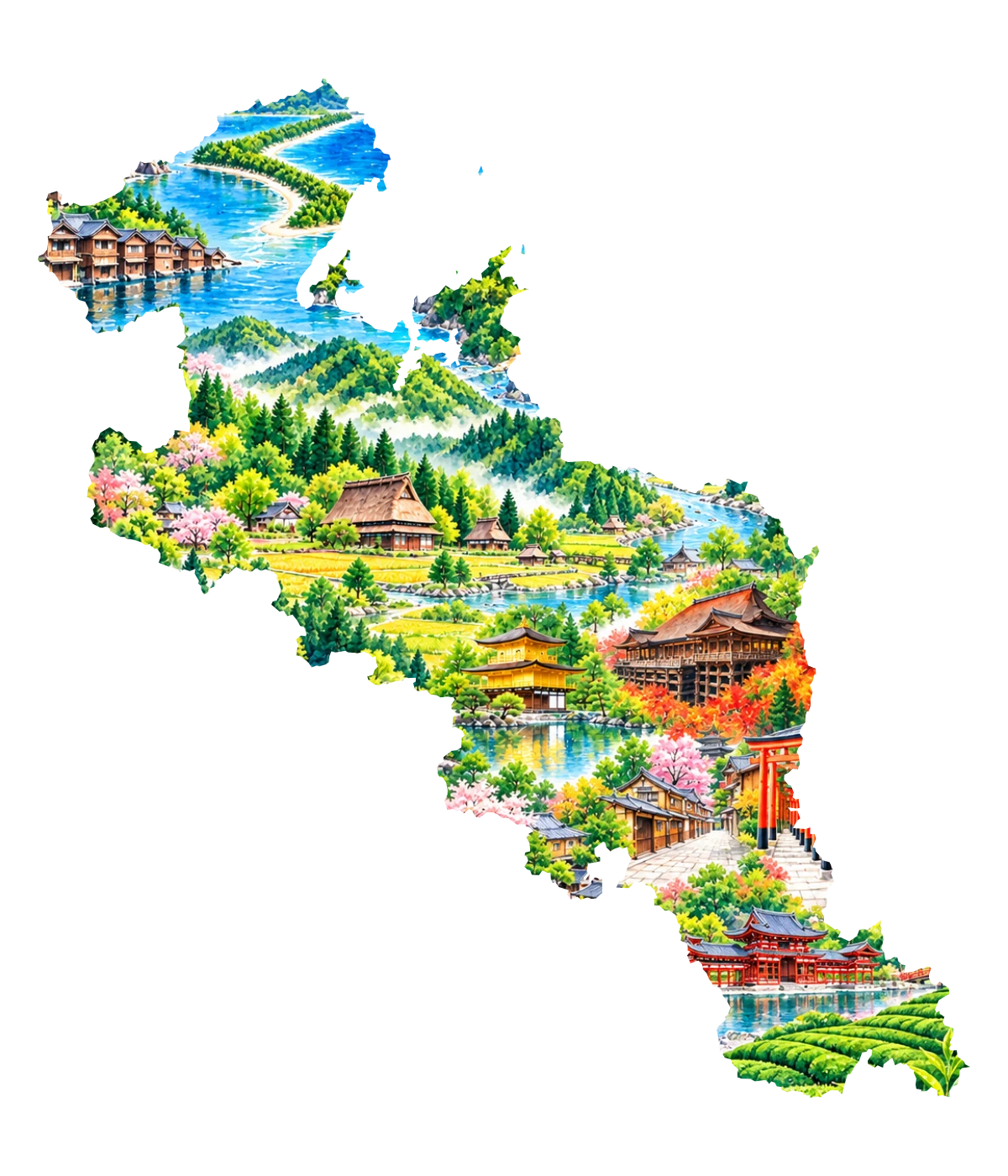
Decorative symbols introduce Kyoto; their positions are not navigation points. Boundary source: Ministry of Land, Infrastructure, Transport and Tourism, National Land Numerical Information 2025, via Kyodo News prefecture GeoJSON, CC BY 4.0. Source: https://github.com/kyodo-official/japan-choropleth · https://creativecommons.org/licenses/by/4.0. Watercolour artwork is placed within the fixed geographic boundary.
Kyoto city · Through the year
Average monthly temperature
Kyoto observation station · Climate normals, 1991–2020 · °C
Jan
4.8°C
Feb
5.4°C
Mar
8.8°C
Apr
14.4°C
May
19.5°C
Jun
23.3°C
Jul
27.3°C
Aug
28.5°C
Sep
24.4°C
Oct
18.4°C
Nov
12.5°C
Dec
7.2°C
Source: Japan Meteorological Agency · Kyoto observation station. Station averages, not an average across Kyoto Prefecture. The northern coast and mountains have different conditions; check the forecast for your destination.
Year-round travel ideas · Visitor information checked 29 October 2026. Photos show the dates and seasons in their captions; older photographs are not a statement of current access. Walking time suggestions include different scopes, so choose the area you want to enjoy.
Which Kyoto would you like to meet?
Kyoto is one of Japan’s best-known destinations for historic buildings and the stories they hold. The city seen from Kiyomizu-dera’s wooden stage, the Golden Pavilion reflected in a pond, vermilion torii gates that seem to go on forever: a view like that might make you feel, just for a moment, as though you have stepped into another time.
A shop window that makes you stop, the scent of tea inviting you in for a break. There could be something to enjoy on the way to the famous places, too.
Spend a day with buildings and crafts passed down through generations, or watch the river in Arashiyama. Travel a little farther, and Kyoto also has seaside boathouses and villages of thatched roofs.
Come along with me, and let’s peek into the city and the landscapes beyond it. Which place will make you think, “I’d love to go there”?
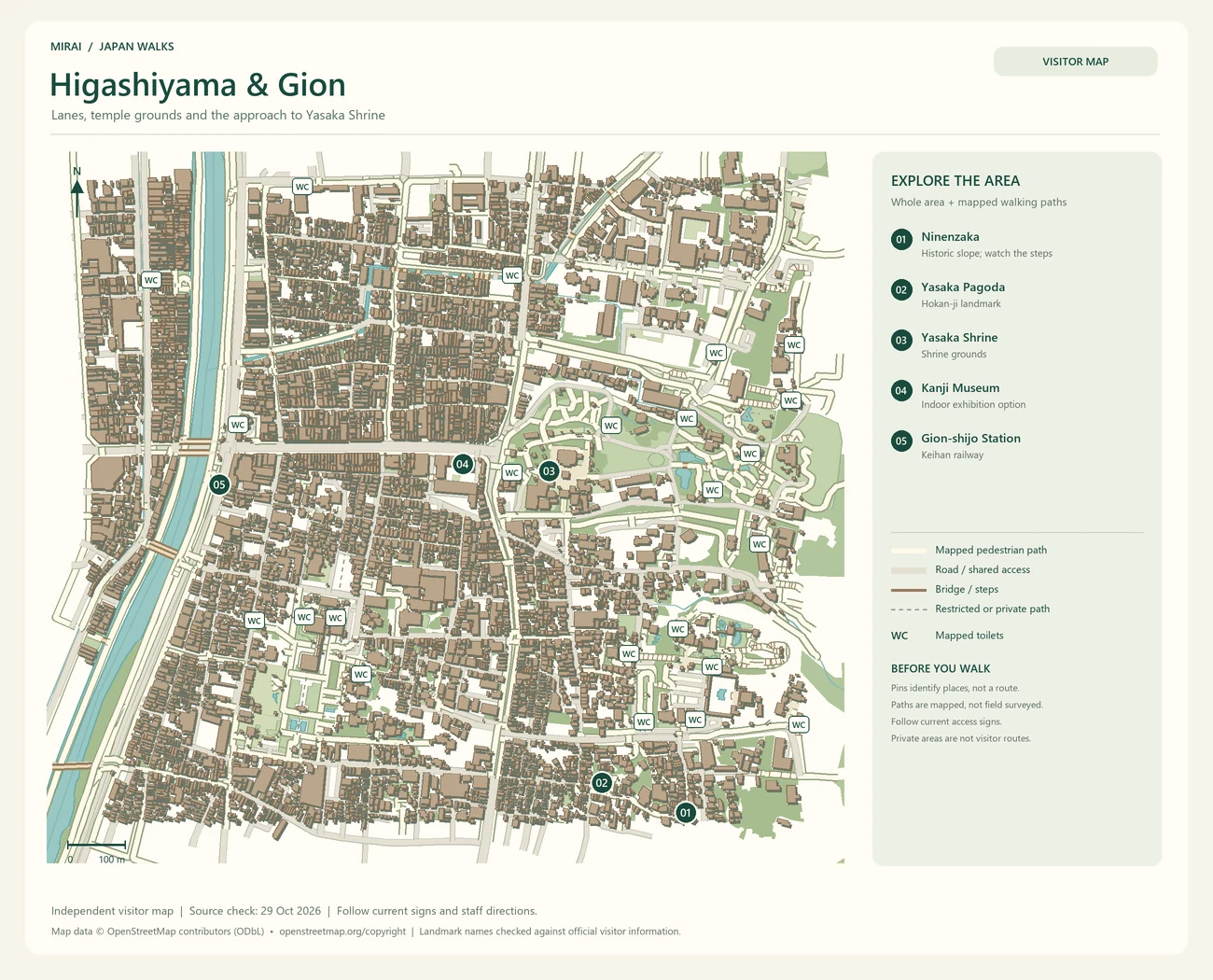
Higashiyama and Gion: take your time in the lanes
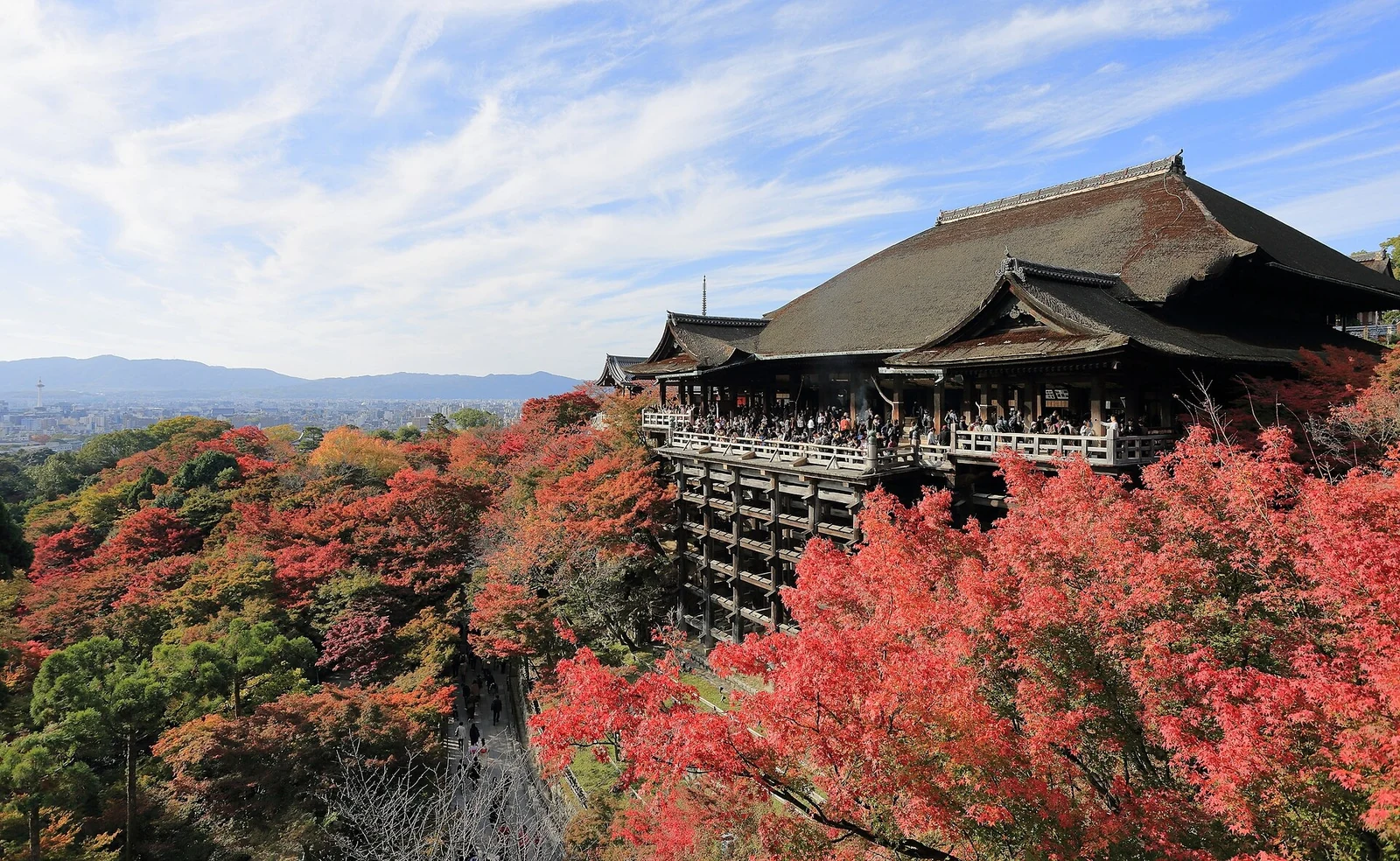
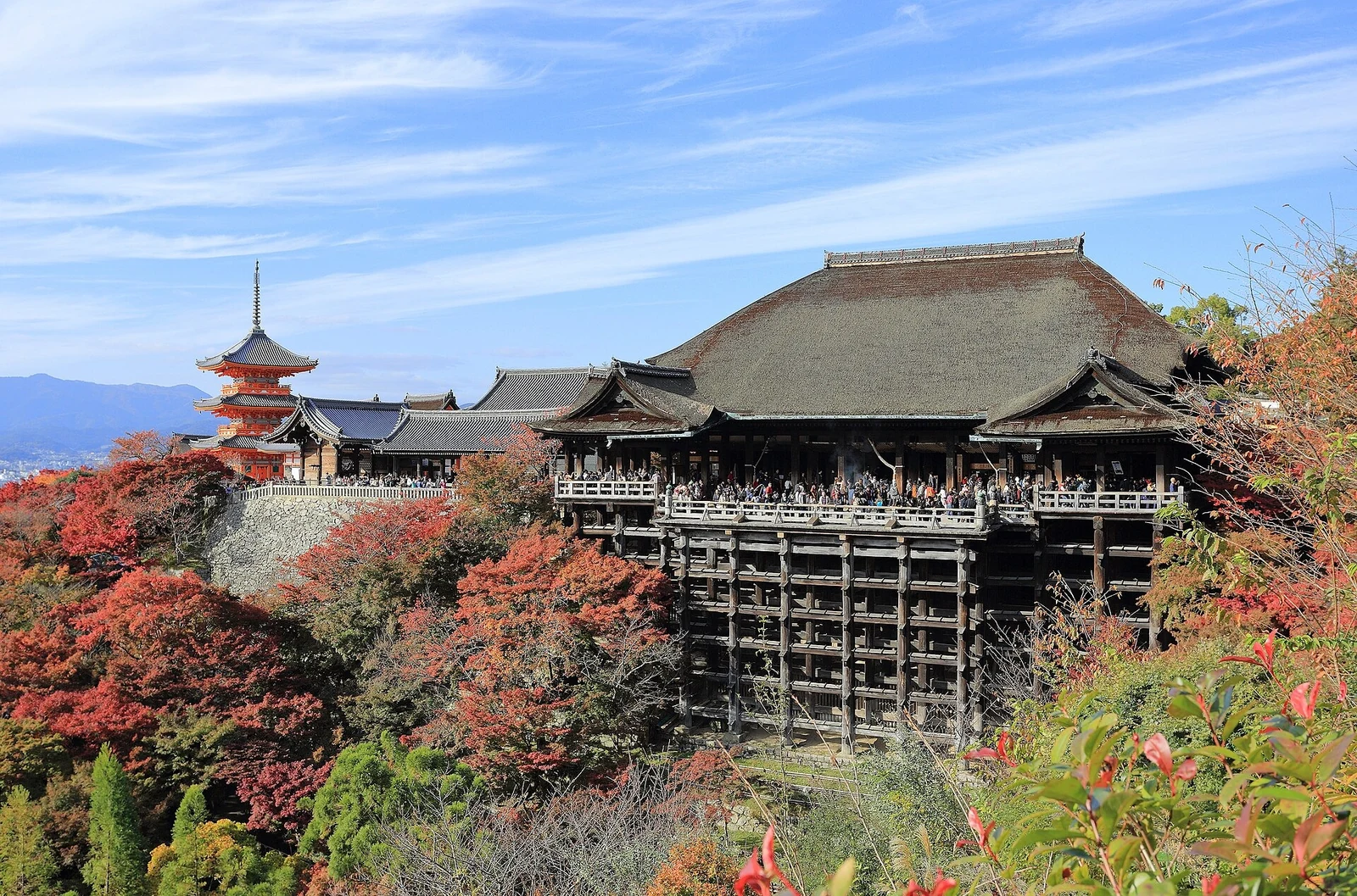
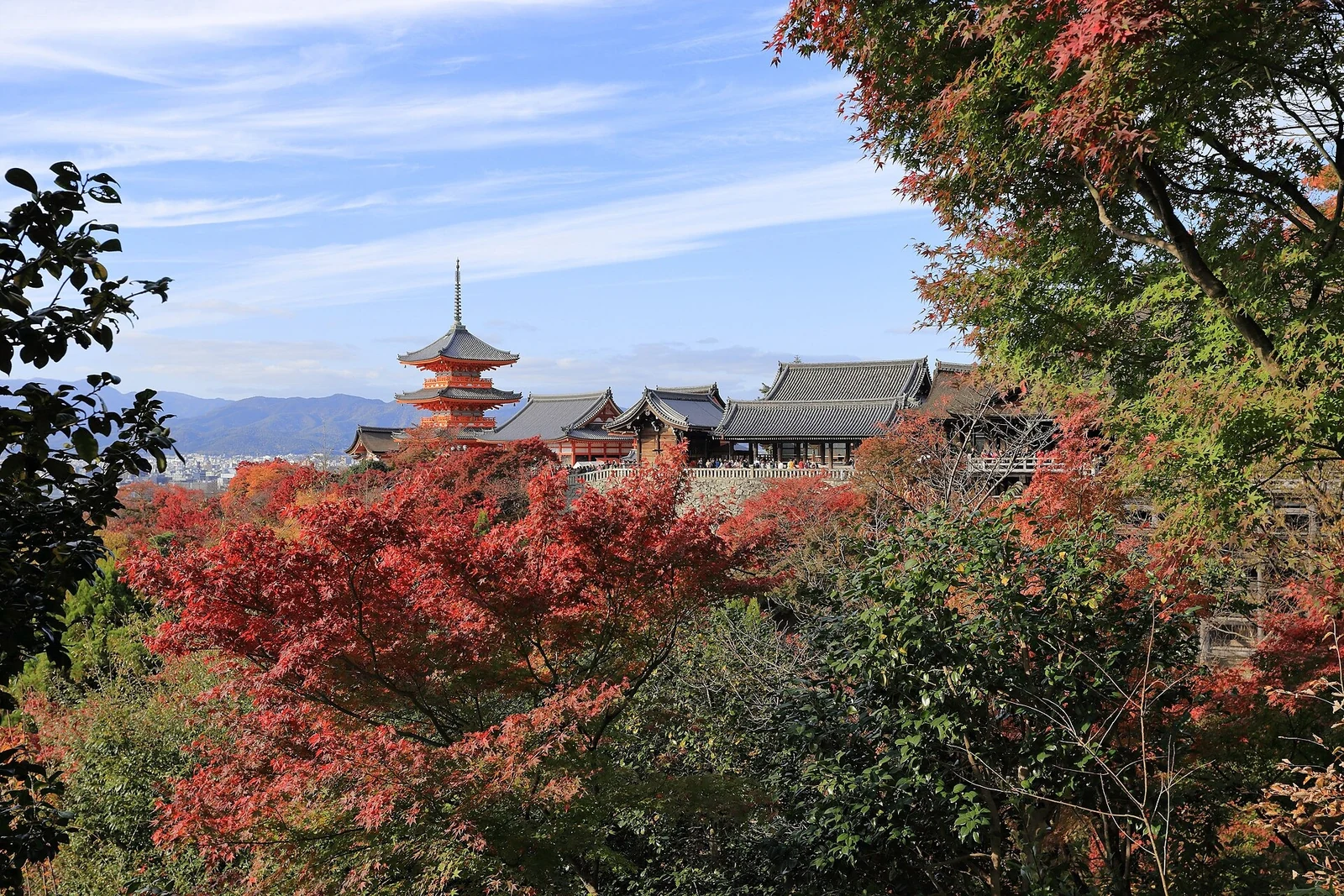
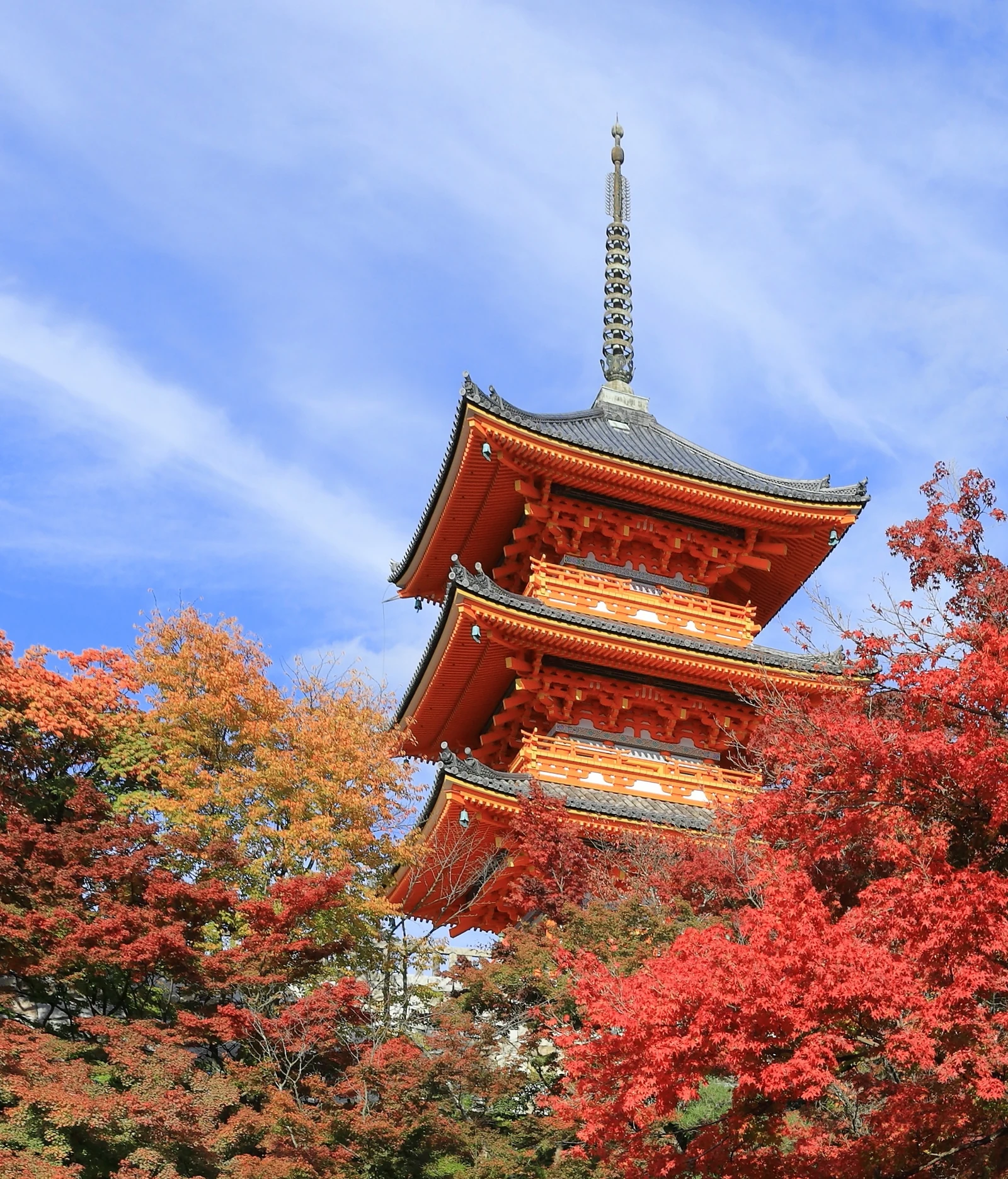
At Kiyomizu-dera, my eyes go straight to that great wooden stage. Look at the pillars supporting it, too; they might leave you wanting to know a little more about how it was built.
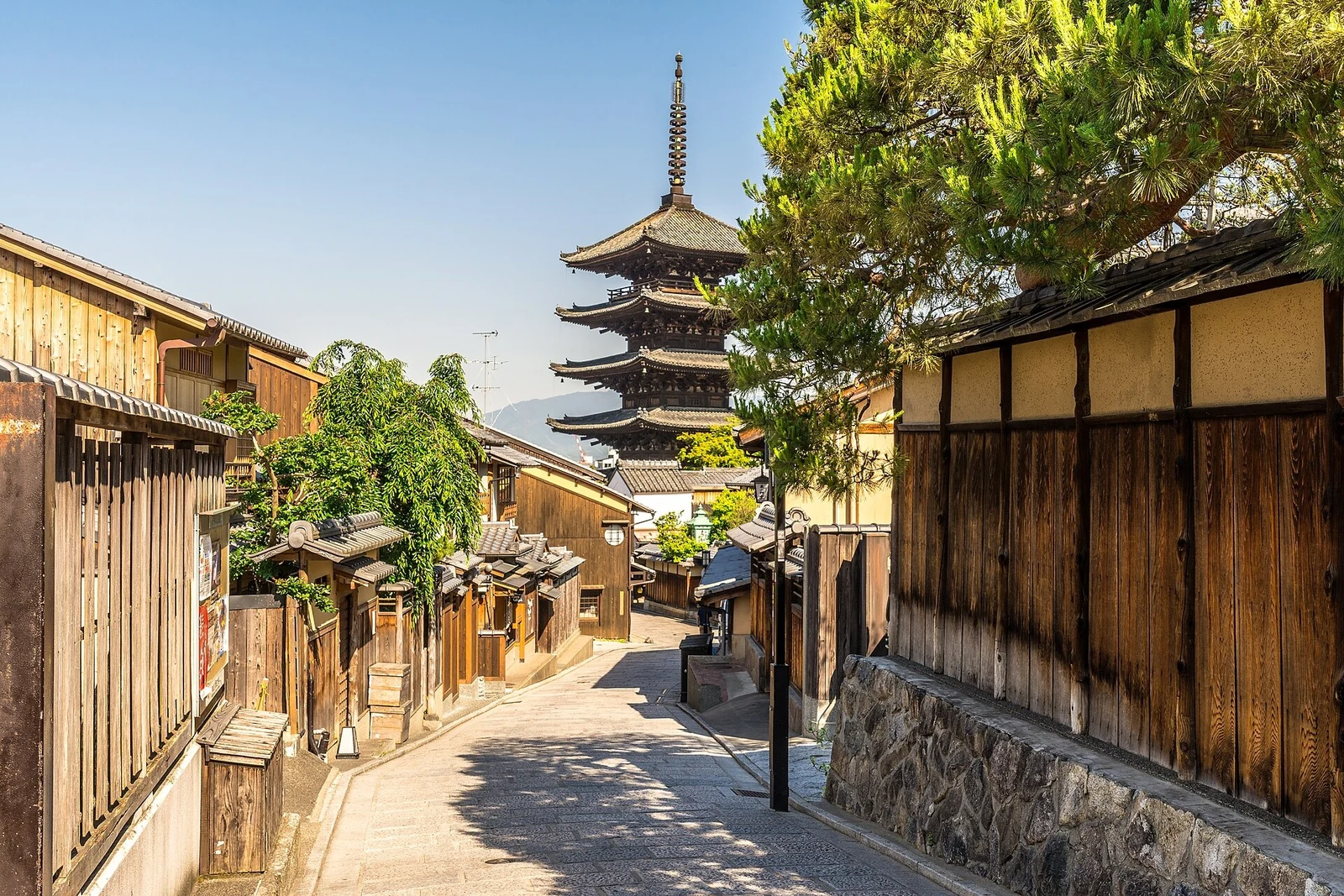
After your visit, follow the slopes towards Sannenzaka and Ninenzaka. Shops line the stone steps and paved lanes, with ceramics and sweets to catch your eye. If we keep stopping to say, “Oh, that’s lovely,” we might not get very far!
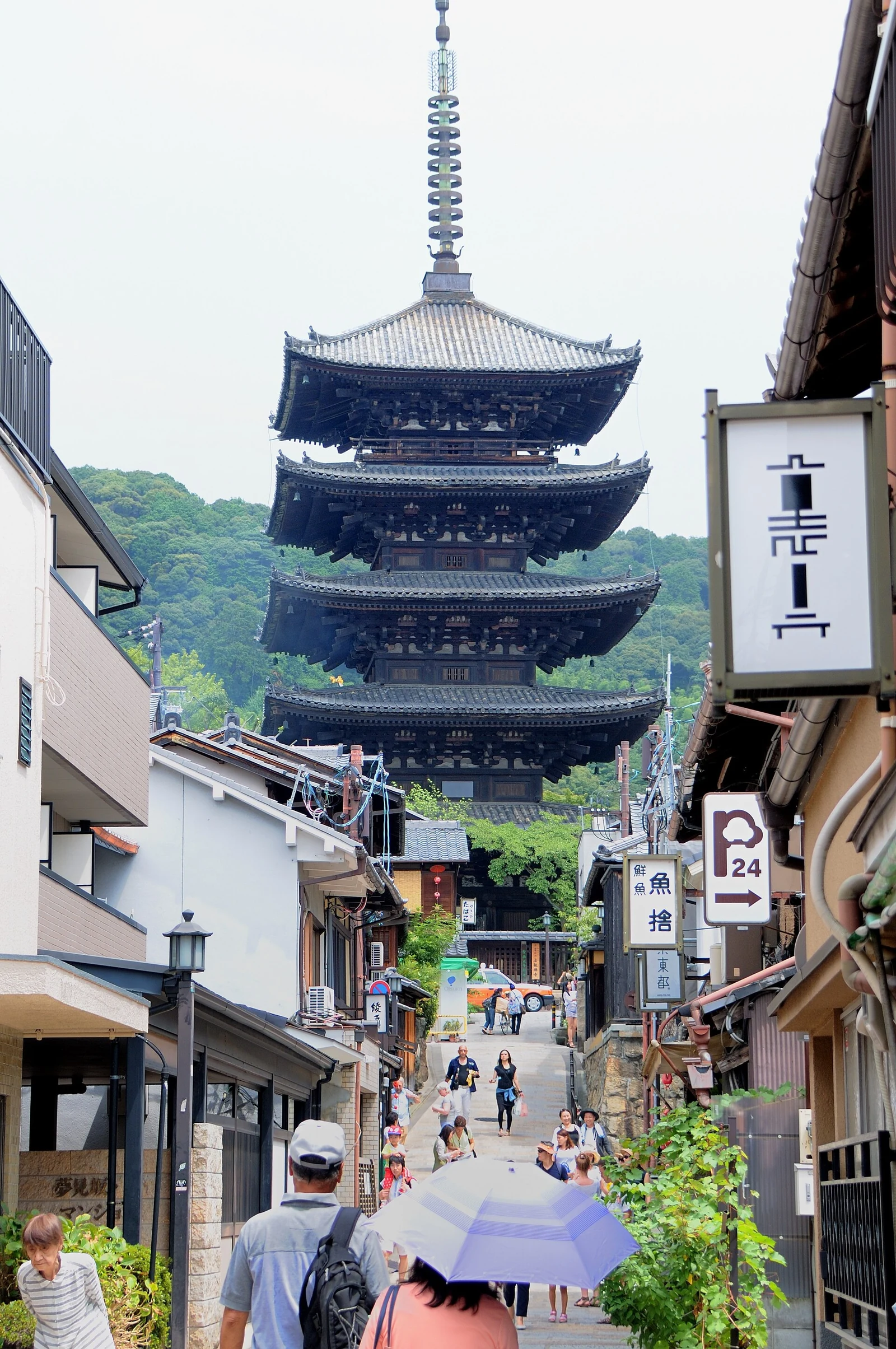
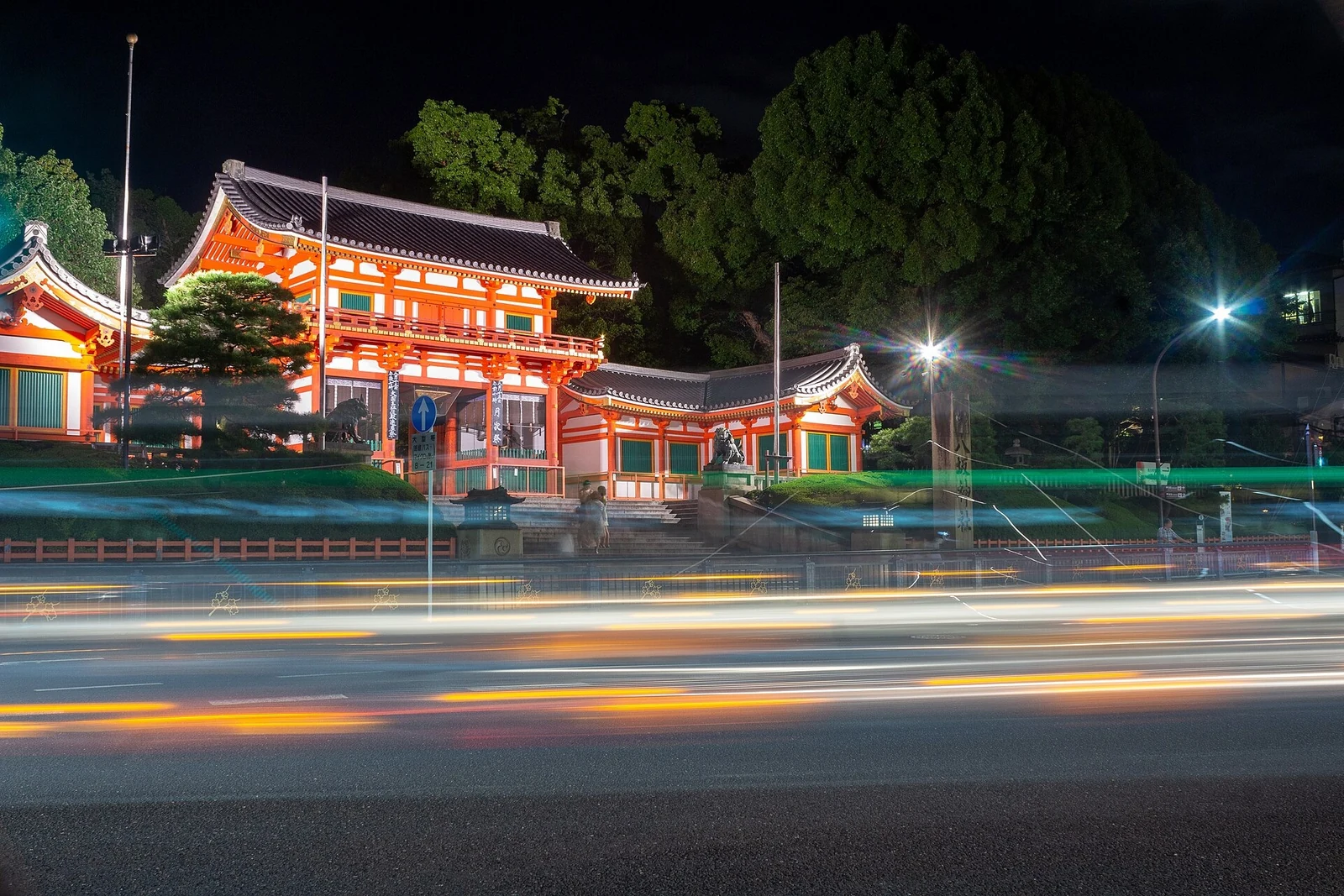
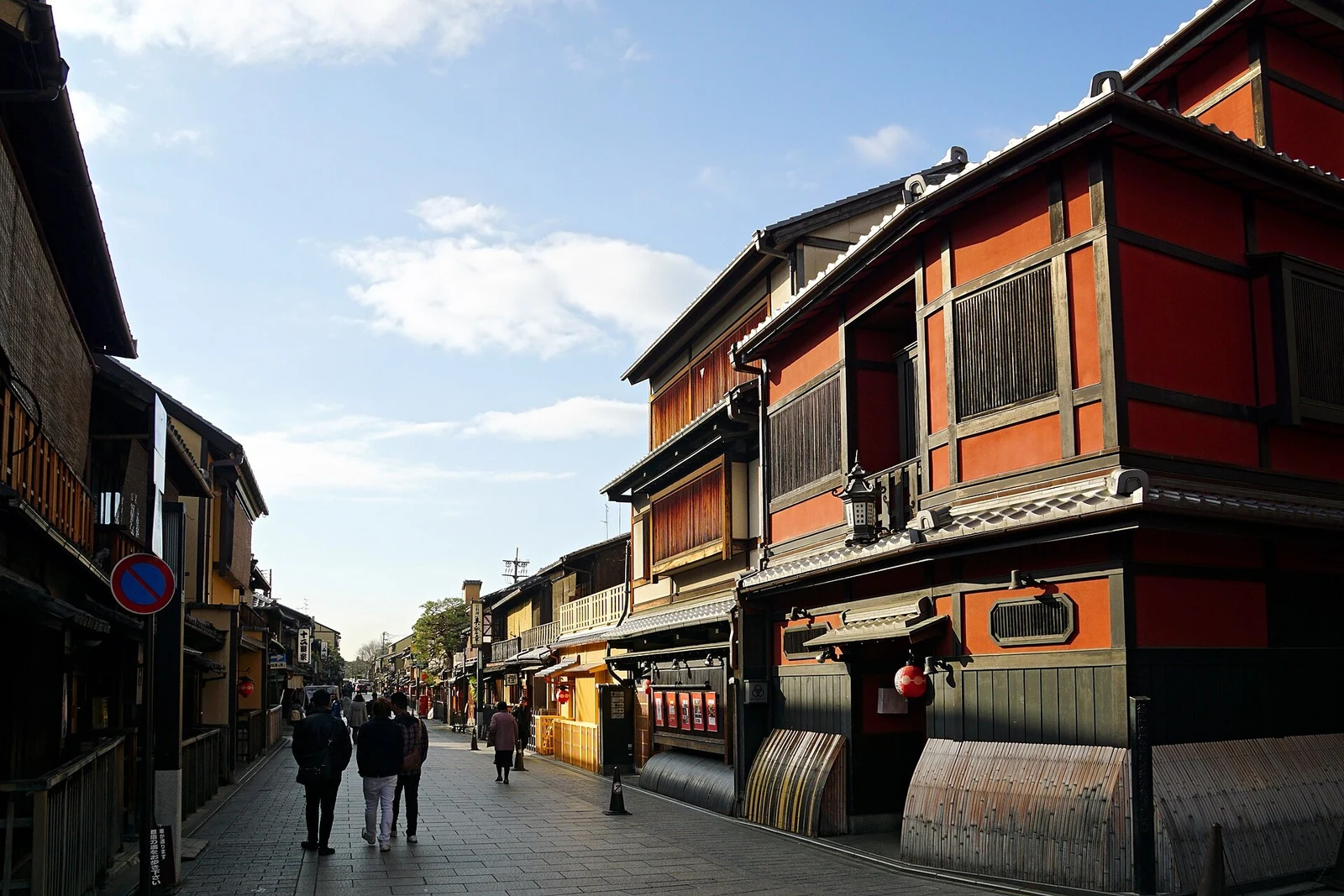
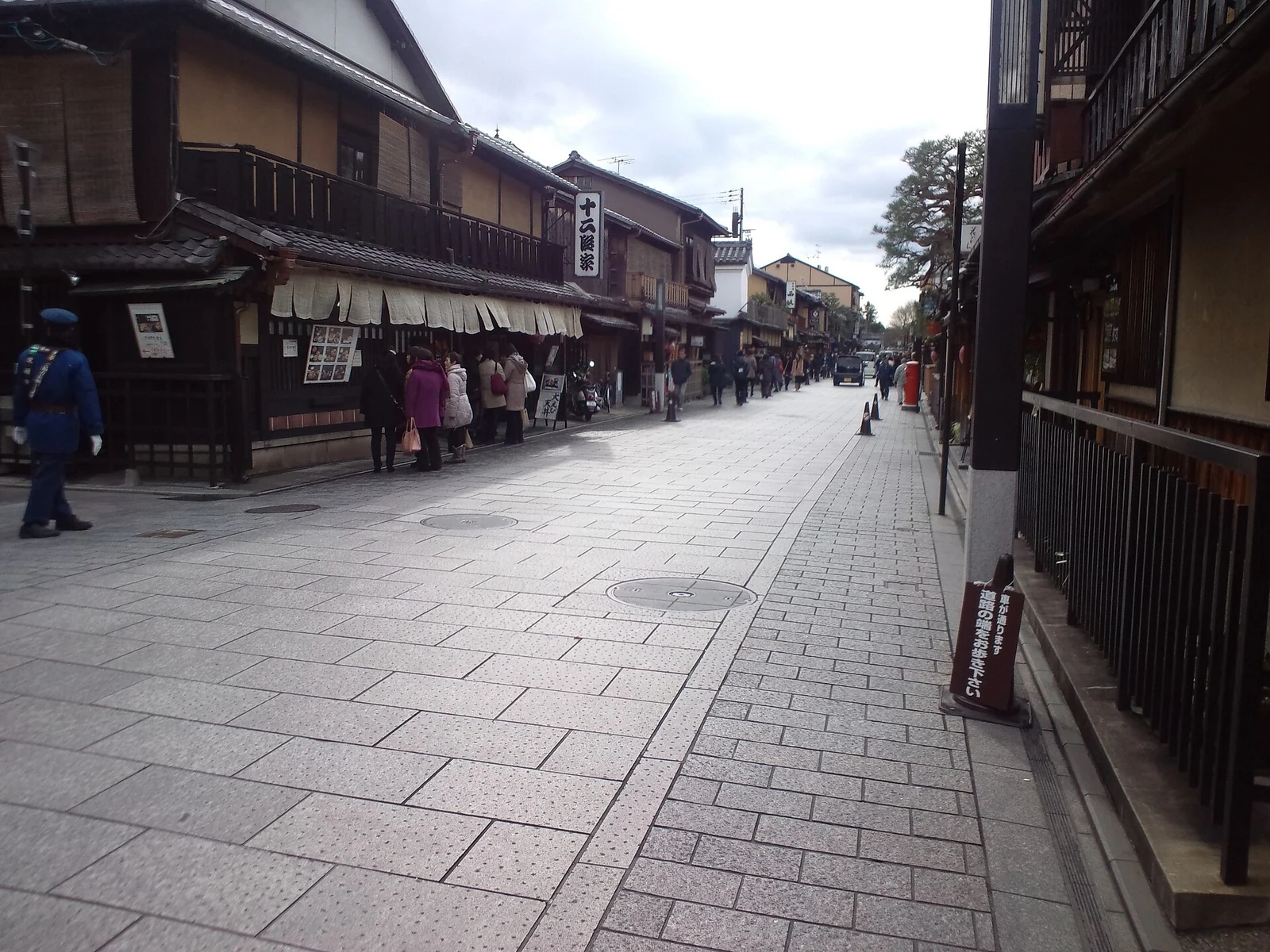
On the way towards Yasaka Shrine and Gion, notice the traditional Kyoto townhouses, or machiya. Even comparing the wooden latticework facing the street could turn up a small discovery.
A guided rickshaw ride is another way to see Higashiyama. Would you rather choose the lanes yourself, or watch the streets go by while listening to a guide?
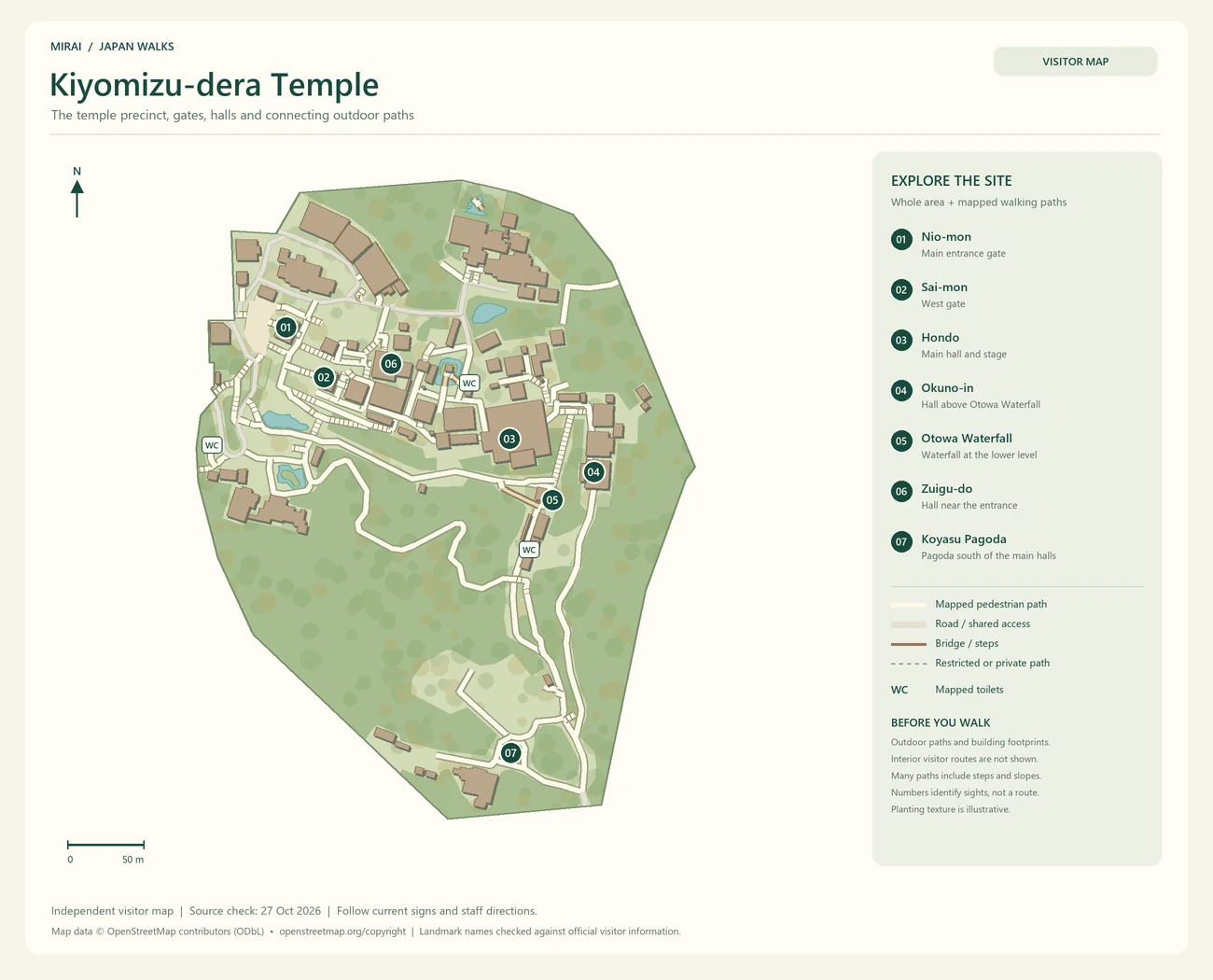
For Kiyomizu-dera, the slopes, Yasaka Shrine and Gion, think in terms of a half-day with stops and a rest. There are stone steps along the way, so leave more time than a map’s walking estimate and watch your footing.
If rain makes a long walk less appealing, the Kanji Museum in Gion offers exhibitions about Japanese characters. Ordinary admission does not require a reservation, but check closing days and the conditions for particular activities.
File:Kiyomizu-dera, Kyoto, November 2016 -01.jpg — Martin Falbisoner. https://commons.wikimedia.org/wiki/File:Kiyomizu-dera,_Kyoto,_November_2016_-01.jpg | CC BY-SA 4.0 https://creativecommons.org/licenses/by-sa/4.0. Resized/re-encoded for web display; no crop or retouch.
File:Kiyomizu-dera, Kyoto, November 2016 -02.jpg — Martin Falbisoner. https://commons.wikimedia.org/wiki/File:Kiyomizu-dera,_Kyoto,_November_2016_-02.jpg | CC BY-SA 4.0 https://creativecommons.org/licenses/by-sa/4.0. Resized/re-encoded for web display; no crop or retouch.
File:Kiyomizu-dera, Kyoto, November 2016 -03.jpg — Martin Falbisoner. https://commons.wikimedia.org/wiki/File:Kiyomizu-dera,_Kyoto,_November_2016_-03.jpg | CC BY-SA 4.0 https://creativecommons.org/licenses/by-sa/4.0. Resized/re-encoded for web display; no crop or retouch.
File:Kiyomizu-dera, Kyoto, November 2016 -04.jpg — Martin Falbisoner. https://commons.wikimedia.org/wiki/File:Kiyomizu-dera,_Kyoto,_November_2016_-04.jpg | CC BY-SA 4.0 https://creativecommons.org/licenses/by-sa/4.0. Resized/re-encoded for web display; no crop or retouch.
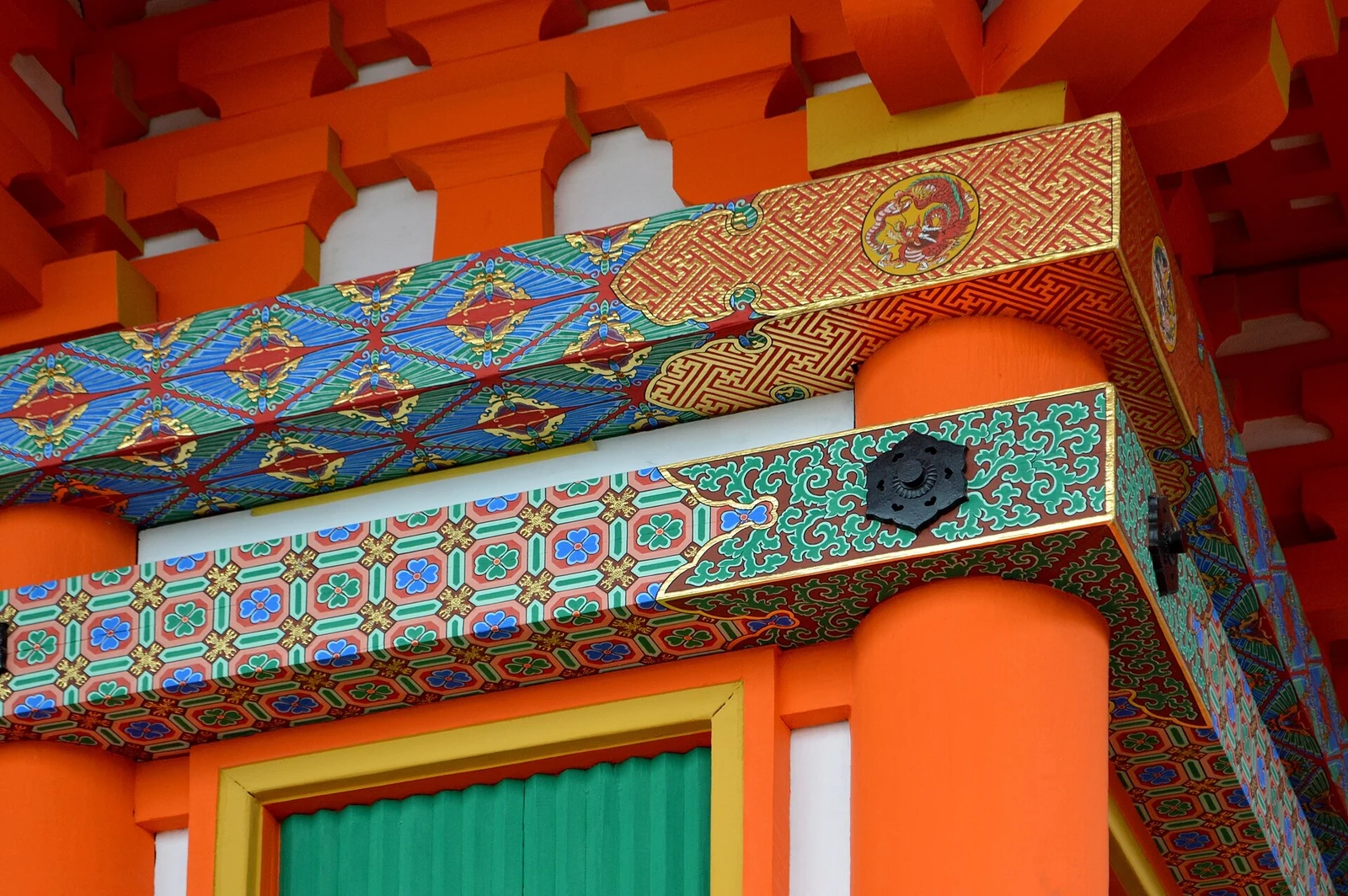
File:Colorful details of the Three-storied Pagoda, Kiyomizu-dera, Kyoto, 2016.jpg — DimiTalen. https://commons.wikimedia.org/wiki/File:Colorful_details_of_the_Three-storied_Pagoda,_Kiyomizu-dera,_Kyoto,_2016.jpg | CC0 http://creativecommons.org/publicdomain/zero/1.0/deed.en. Resized/re-encoded for web display; no crop or retouch.
File:Gion - Nineizaka (Ninenzaka), Kyoto, Japan (48923271673).jpg — Domenico Convertini from Zurich, Schweiz. https://commons.wikimedia.org/wiki/File:Gion_-_Nineizaka_(Ninenzaka),_Kyoto,_Japan_(48923271673).jpg | CC BY-SA 2.0 https://creativecommons.org/licenses/by-sa/2.0. Resized/re-encoded for web display; no crop or retouch.
File:GIO - Yasaka Pagoda seen from Higashiyama near Gion, Kyoto, Japan, 2015.jpg — Josep M. Gracia. https://commons.wikimedia.org/wiki/File:GIO_-_Yasaka_Pagoda_seen_from_Higashiyama_near_Gion,_Kyoto,_Japan,_2015.jpg | CC BY-SA 4.0 https://creativecommons.org/licenses/by-sa/4.0. Resized/re-encoded for web display; no crop or retouch.
File:Yasaka-jinja, nishi-rōmon light trails.jpg — Jason Zhang. https://commons.wikimedia.org/wiki/File:Yasaka-jinja,_nishi-r%C5%8Dmon_light_trails.jpg | CC BY-SA 3.0 https://creativecommons.org/licenses/by-sa/3.0. Resized/re-encoded for web display; no crop or retouch.
File:150124 Gion Kyoto Japan01s3.jpg — 663highland. https://commons.wikimedia.org/wiki/File:150124_Gion_Kyoto_Japan01s3.jpg | CC BY 2.5 https://creativecommons.org/licenses/by/2.5. Resized/re-encoded for web display; no crop or retouch.
File:Gion Hanamikôji-dôri.jpg — Yanajin33. https://commons.wikimedia.org/wiki/File:Gion_Hanamik%C3%B4ji-d%C3%B4ri.jpg | CC BY-SA 4.0 https://creativecommons.org/licenses/by-sa/4.0. Resized/re-encoded for web display; no crop or retouch.
Kinkaku-ji and Nijo Castle: stories in the buildings
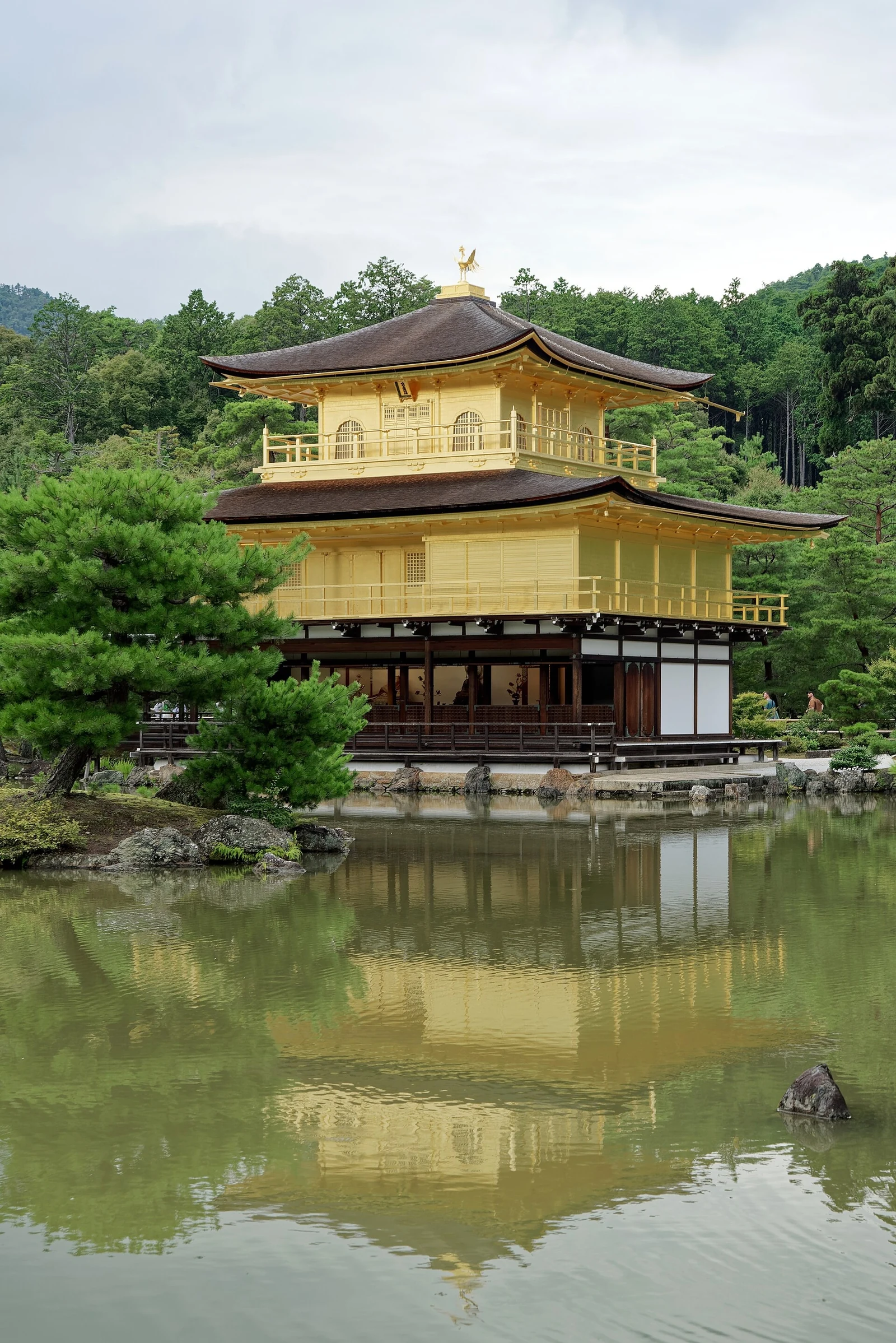
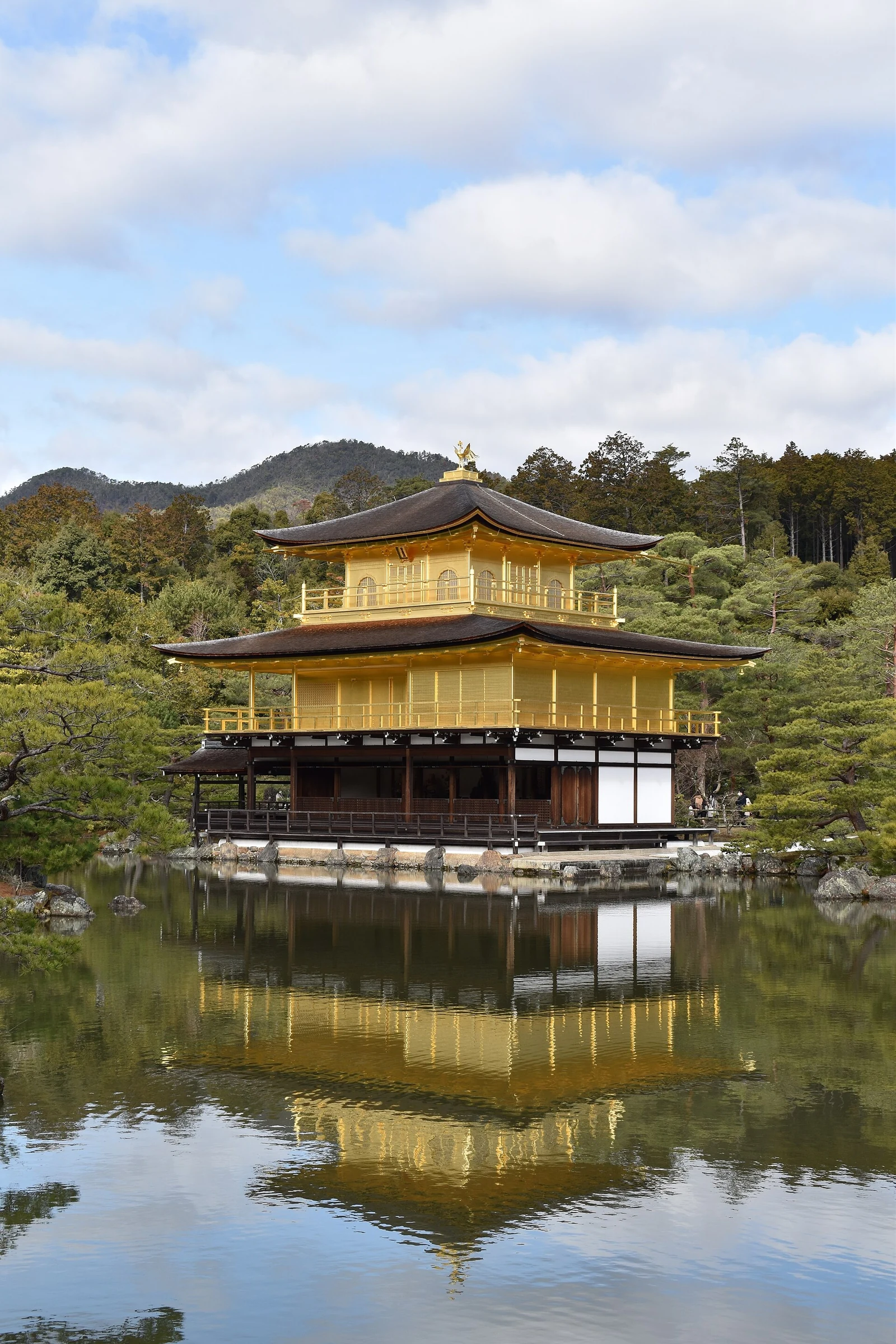
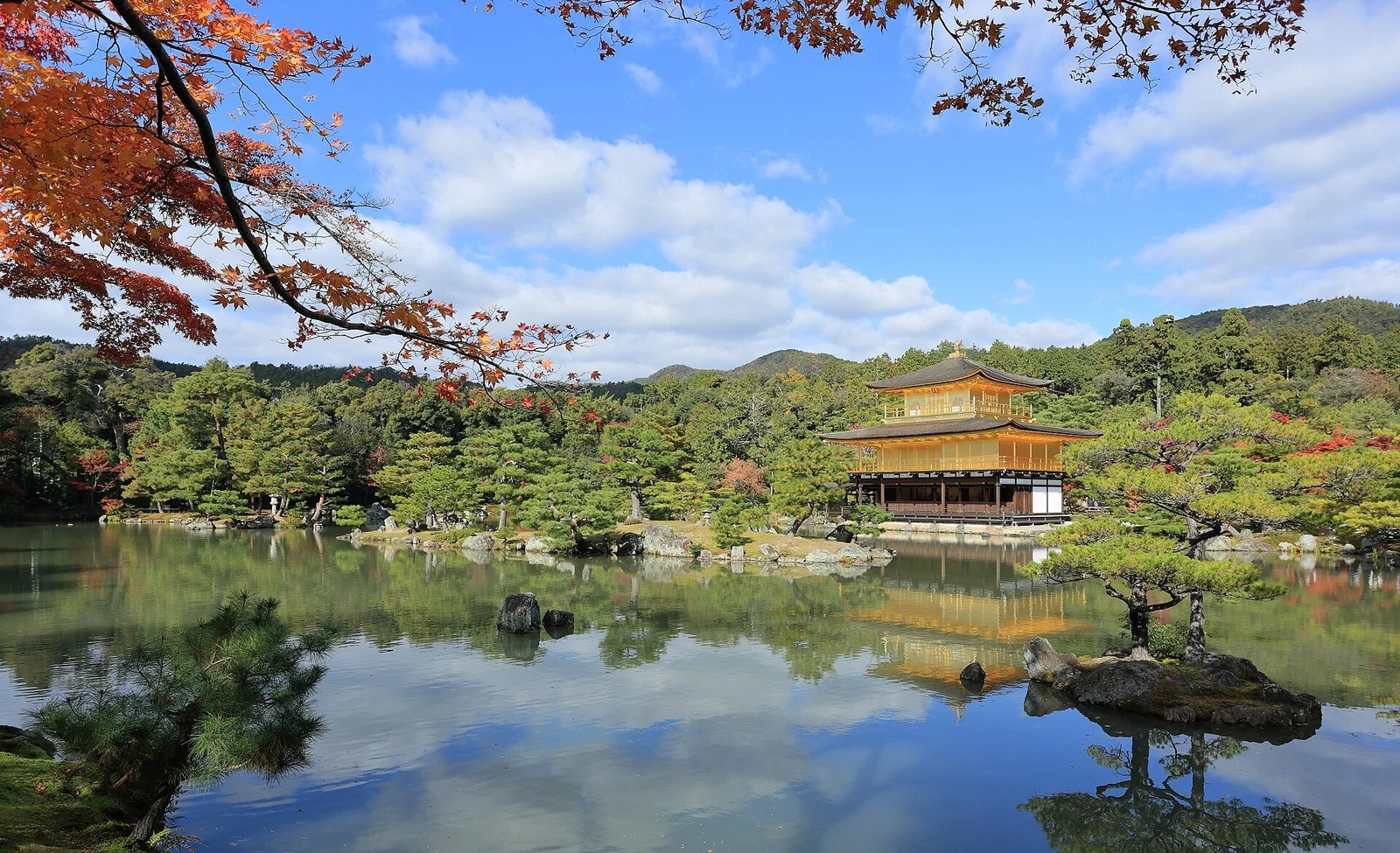
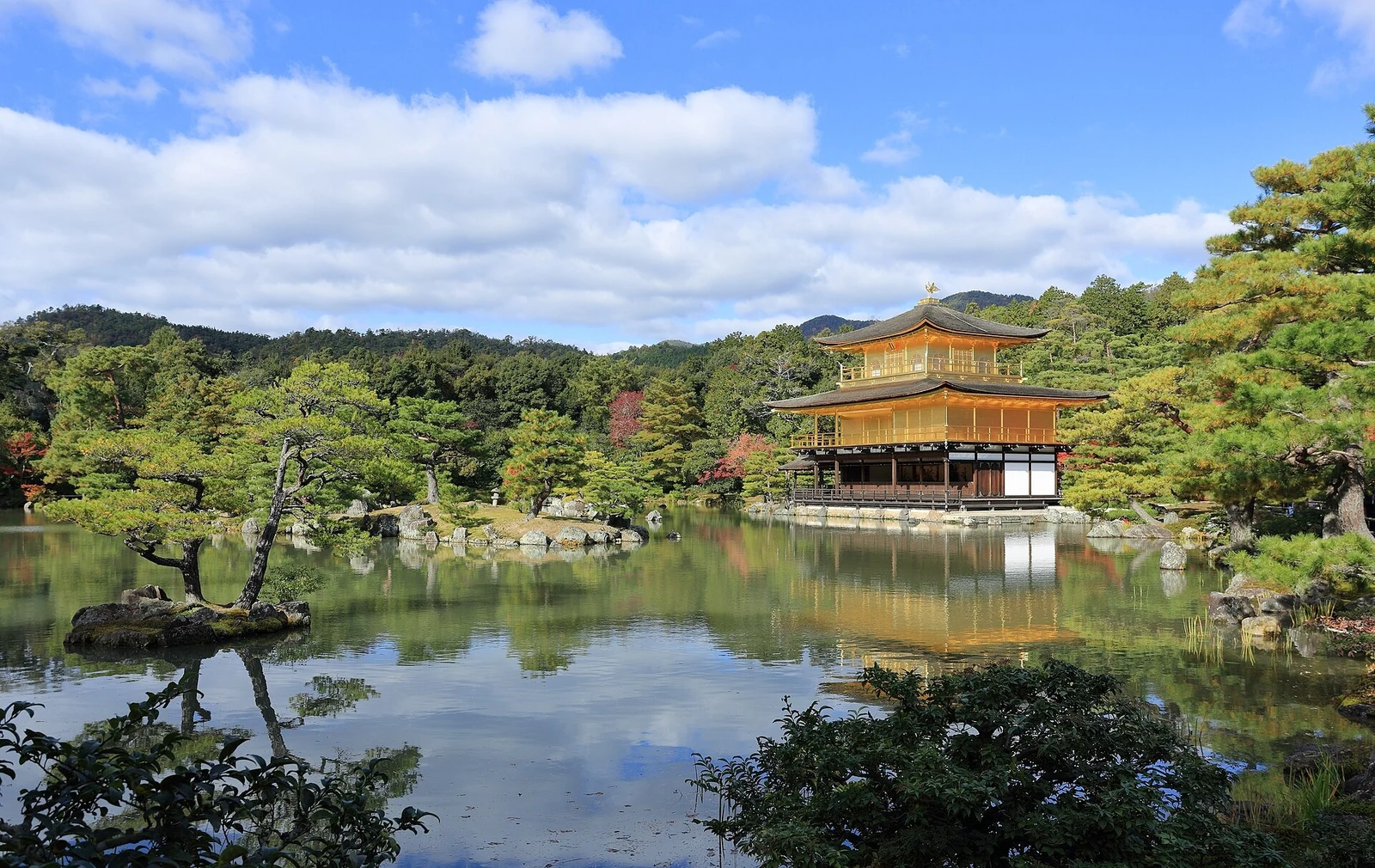
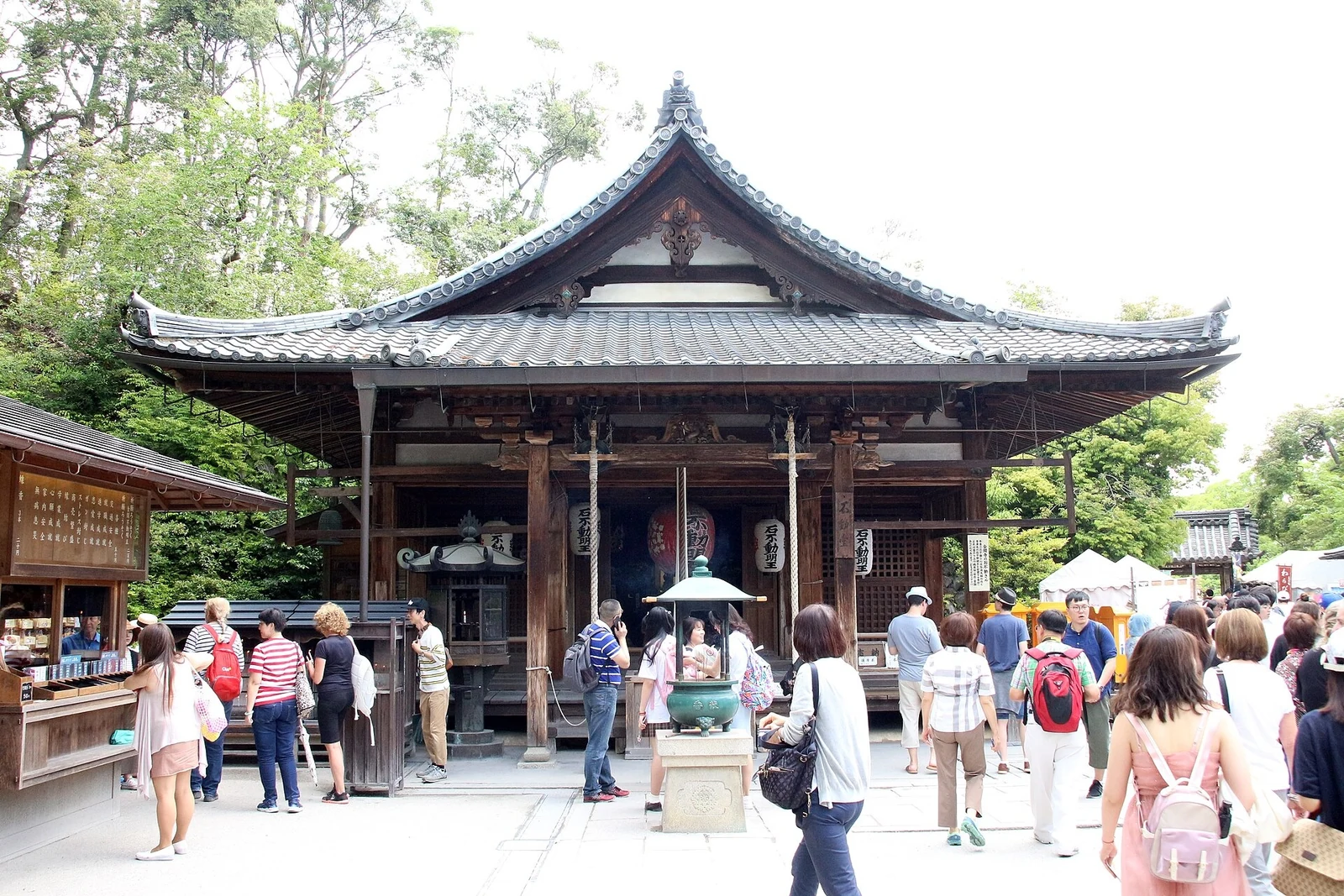
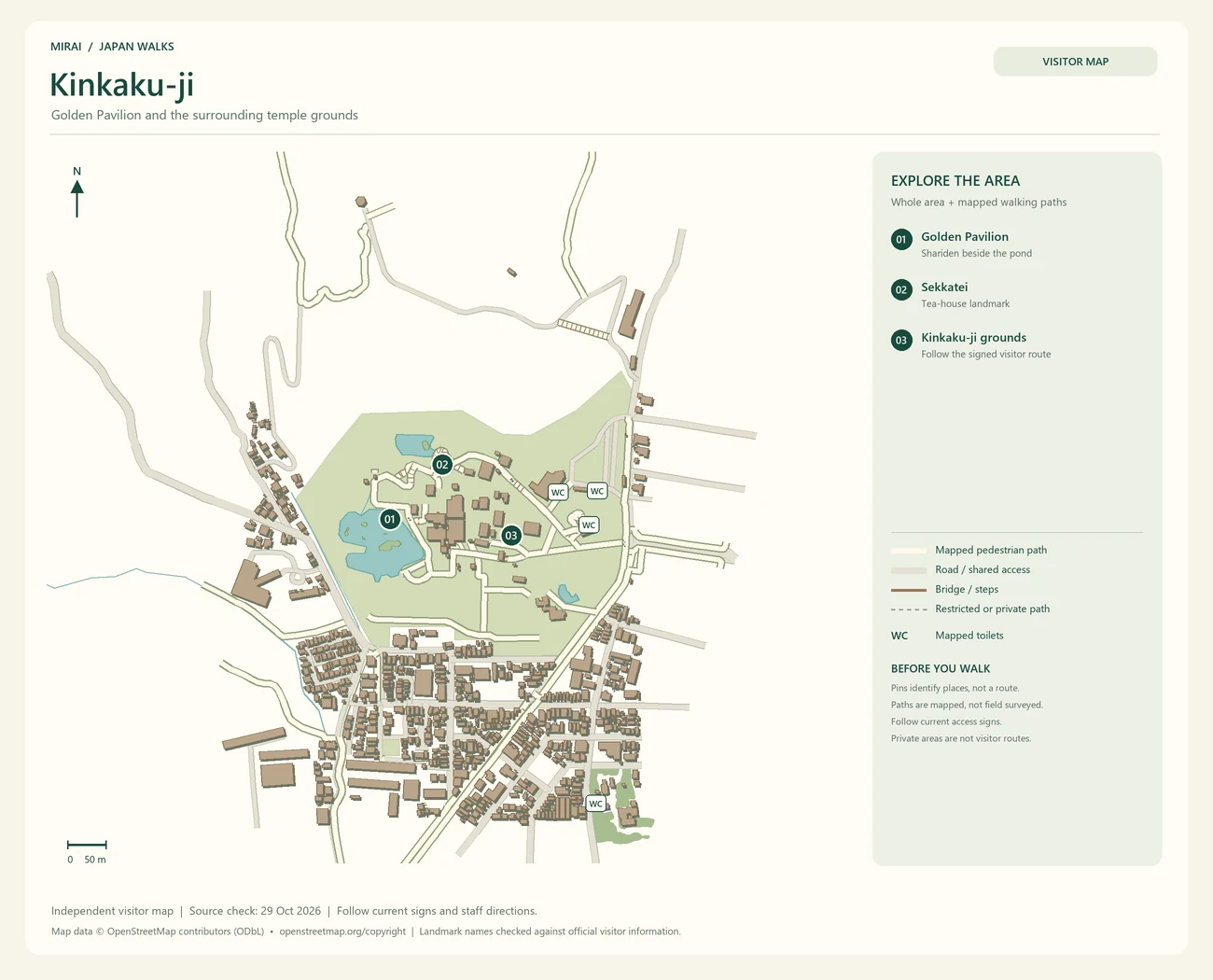
At Kinkaku-ji, I would love to see how the golden pavilion, its pond and the surrounding garden come together. Look closely at the building, then step back for a wider view. It might feel quite different.
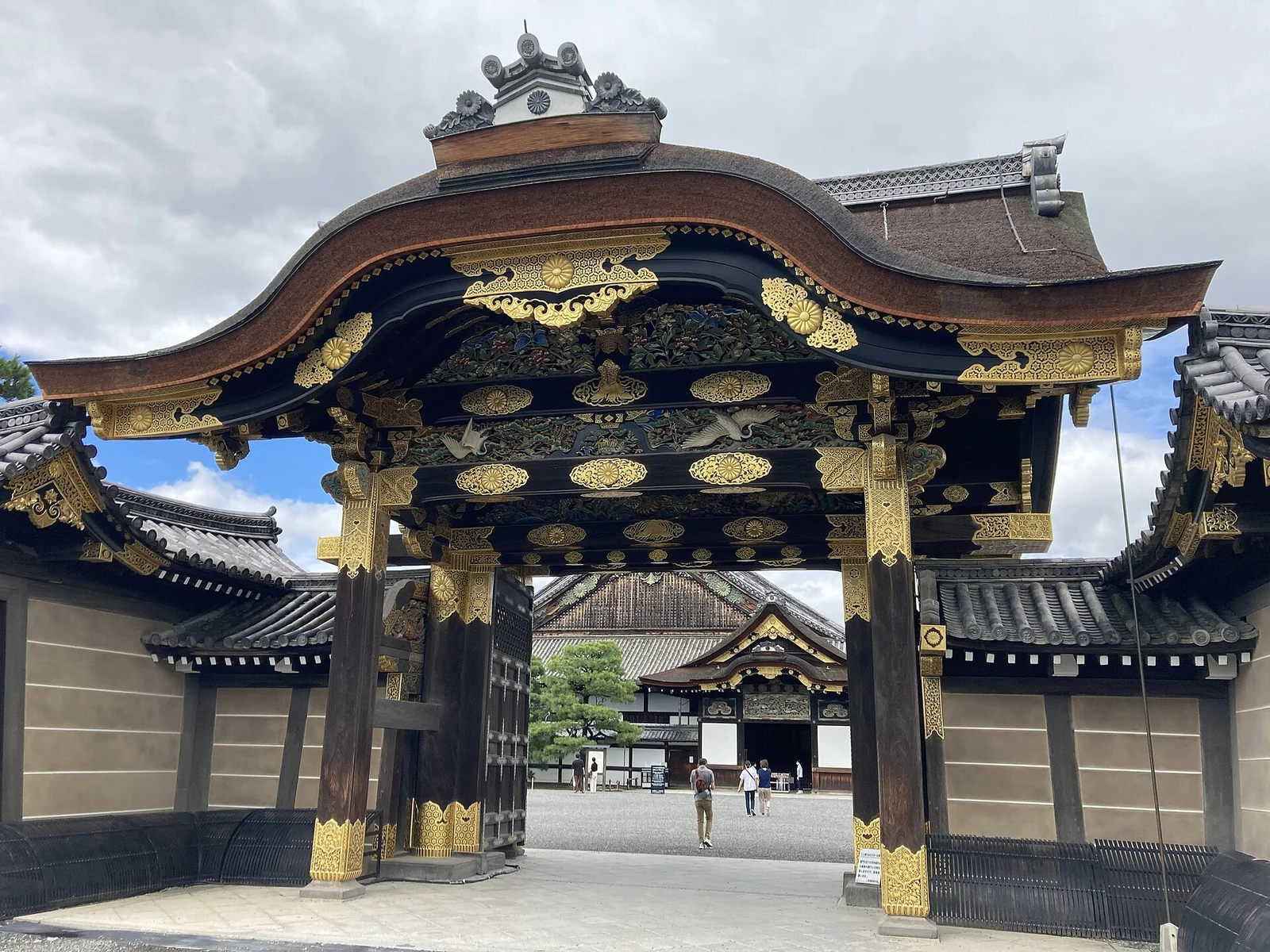
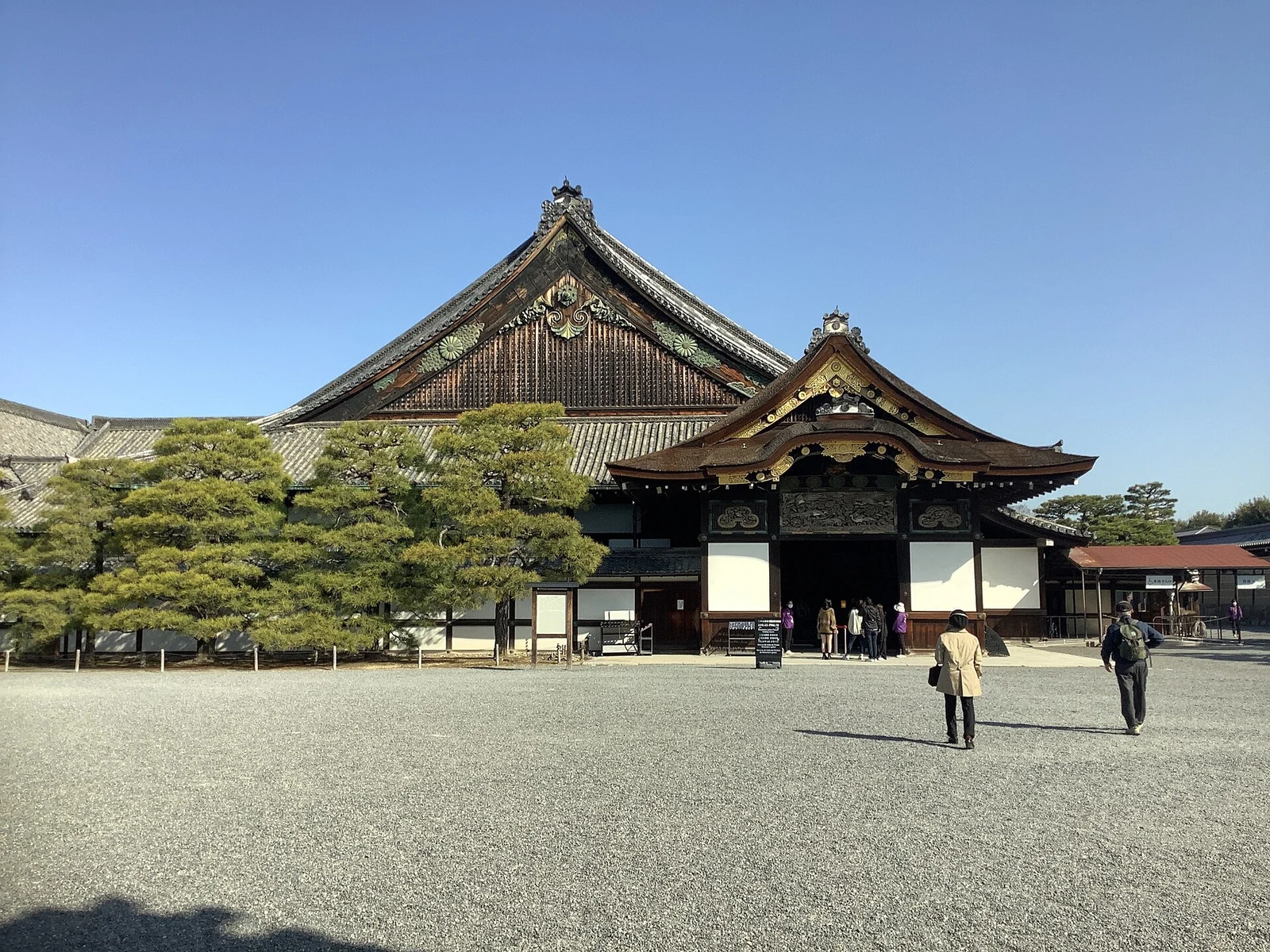
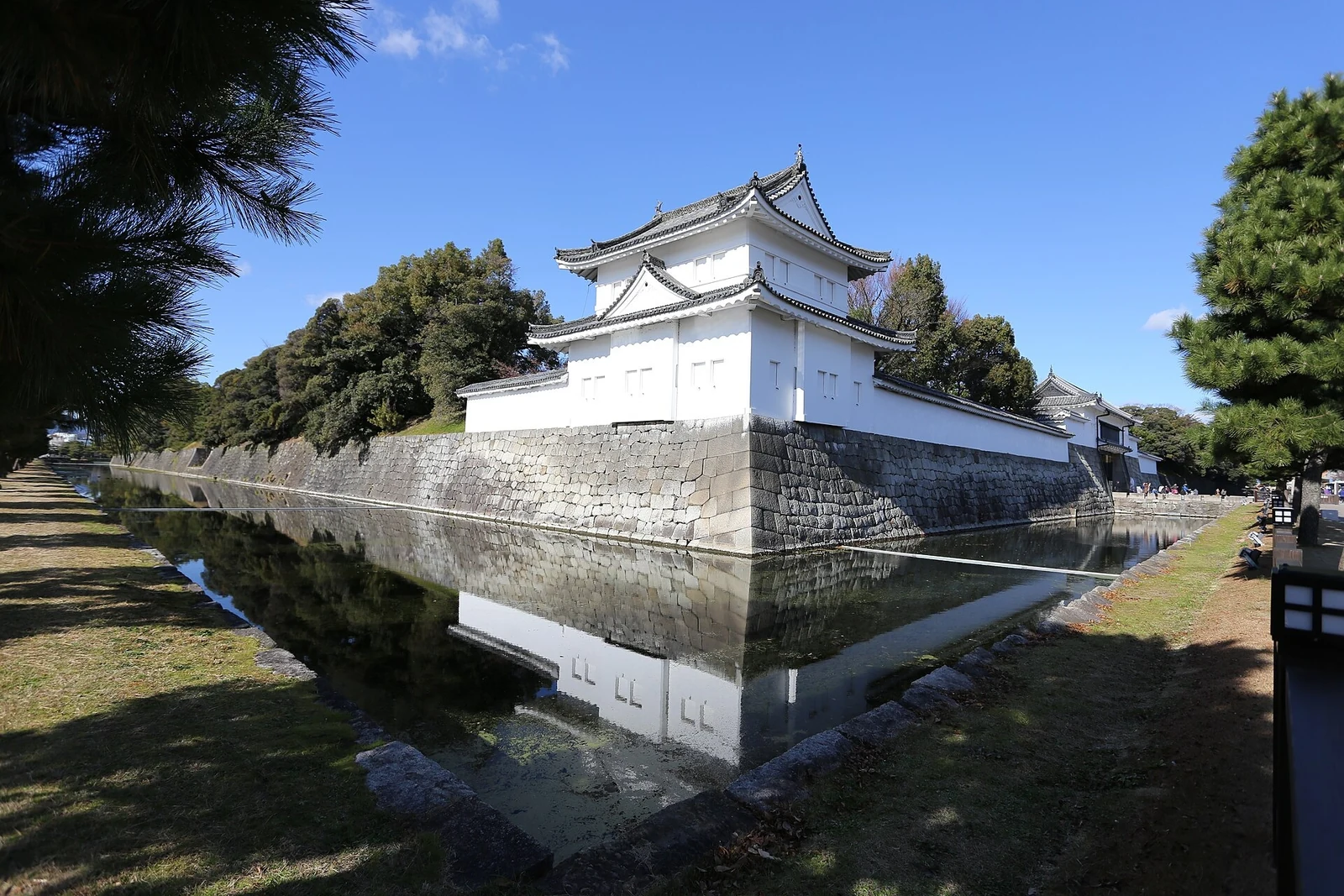
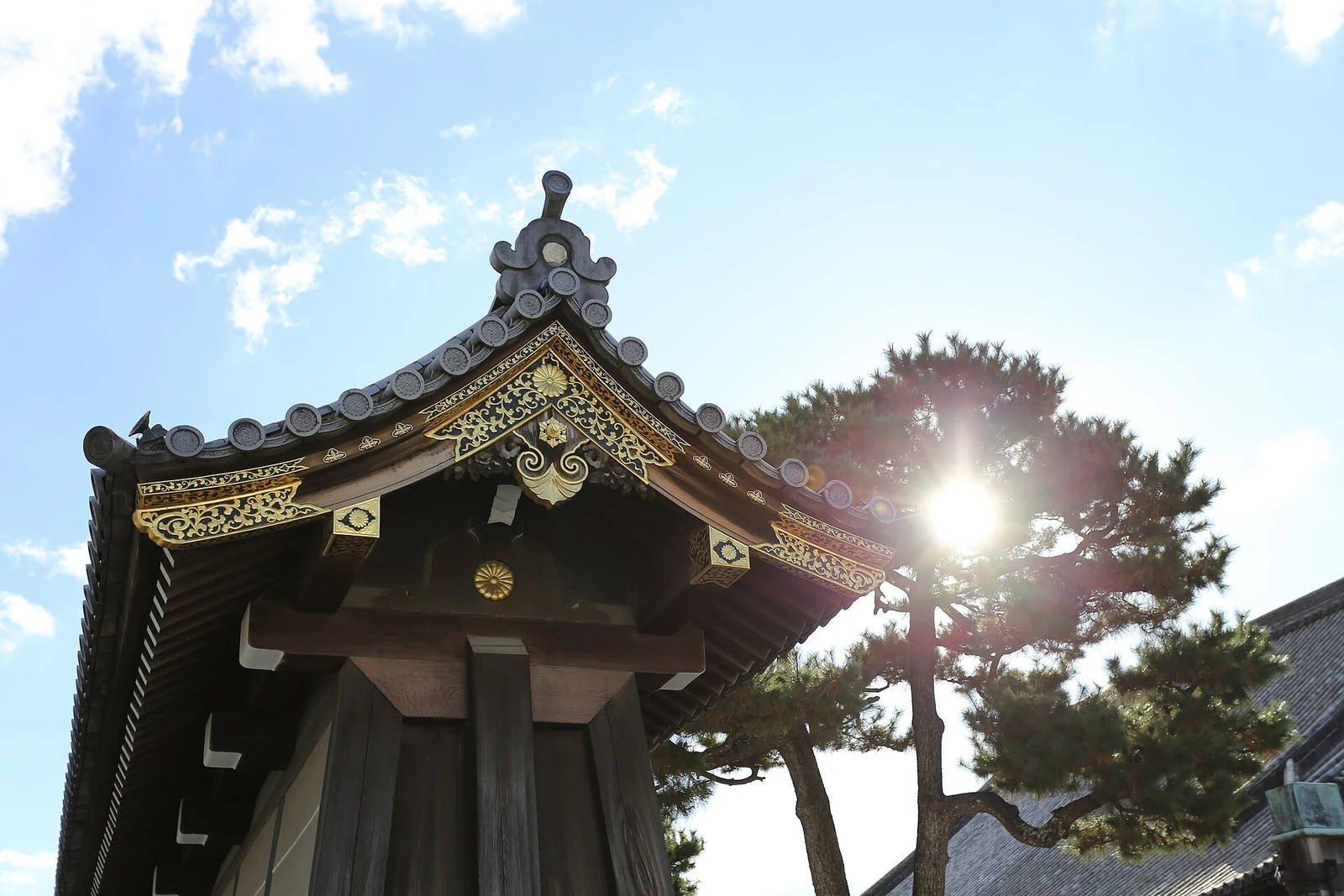
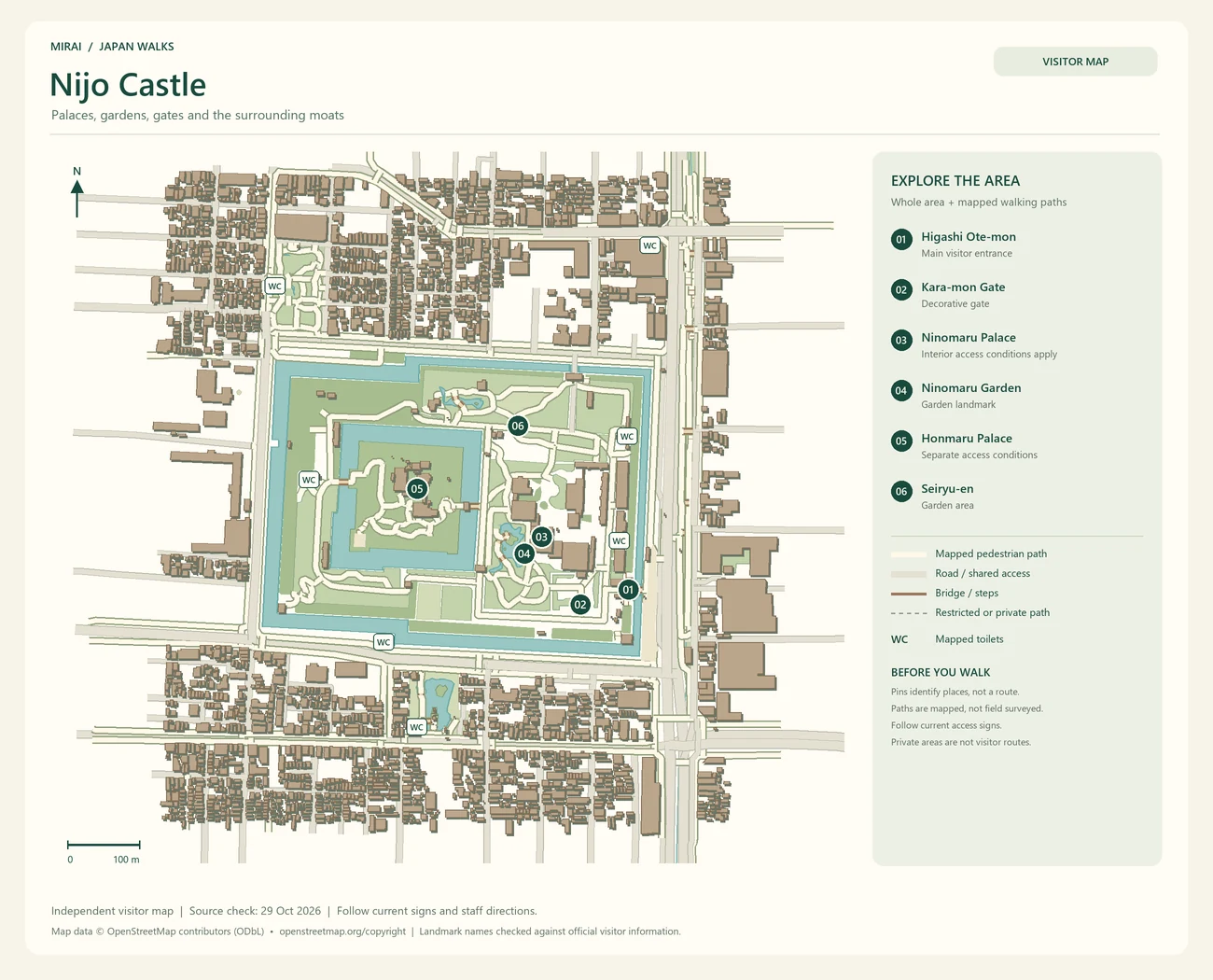
At Nijo Castle, look out for the wall paintings and decorative details of Ninomaru Palace. As you move between rooms, wondering who once spent time here could bring the visit a little closer to you.
The castle’s official guide suggests around one to one and a half hours for Ninomaru Palace and Ninomaru Garden. Including Honmaru Palace and Honmaru Garden brings the overall visit to around two and a half to three hours.
Kinkaku-ji and Nijo Castle are in different parts of the city. They share a heading here, but they are not next-door neighbours. Allow for the journey between them, and leave time at each to linger over a view you like.
File:Golden Pavilion, Kinkaku-ji, Kyoto, 20240820 1523 5130.jpg — Jakub Hałun. https://commons.wikimedia.org/wiki/File:Golden_Pavilion,_Kinkaku-ji,_Kyoto,_20240820_1523_5130.jpg | CC BY 4.0 https://creativecommons.org/licenses/by/4.0. Resized/re-encoded for web display; no crop or retouch.
File:Golden Pavilion Kinkaku-ji water mirror 2024.jpg — Nacaru. https://commons.wikimedia.org/wiki/File:Golden_Pavilion_Kinkaku-ji_water_mirror_2024.jpg | CC BY-SA 4.0 https://creativecommons.org/licenses/by-sa/4.0. Resized/re-encoded for web display; no crop or retouch.
File:Kinkaku-ji in November 2016 -01.jpg — Martin Falbisoner. https://commons.wikimedia.org/wiki/File:Kinkaku-ji_in_November_2016_-01.jpg | CC BY-SA 4.0 https://creativecommons.org/licenses/by-sa/4.0. Resized/re-encoded for web display; no crop or retouch.
File:Kinkaku-ji in November 2016 -04.jpg — Martin Falbisoner. https://commons.wikimedia.org/wiki/File:Kinkaku-ji_in_November_2016_-04.jpg | CC BY-SA 4.0 https://creativecommons.org/licenses/by-sa/4.0. Resized/re-encoded for web display; no crop or retouch.
File:Kyoto Rokuon-ji Kinkaku-ji d124.jpg — Hyppolyte de Saint-Rambert. https://commons.wikimedia.org/wiki/File:Kyoto_Rokuon-ji_Kinkaku-ji_d124.jpg | CC BY-SA 4.0 https://creativecommons.org/licenses/by-sa/4.0. Resized/re-encoded for web display; no crop or retouch.
File:Nijo-jo Castle Kara-mon-Tor.jpg — 京都東. https://commons.wikimedia.org/wiki/File:Nijo-jo_Castle_Kara-mon-Tor.jpg | CC BY-SA 4.0 https://creativecommons.org/licenses/by-sa/4.0. Resized/re-encoded for web display; no crop or retouch.
File:Nijo Castle 2023.jpg — 稲垣啓二. https://commons.wikimedia.org/wiki/File:Nijo_Castle_2023.jpg | CC BY-SA 4.0 https://creativecommons.org/licenses/by-sa/4.0. Resized/re-encoded for web display; no crop or retouch.
File:Nijo Castle 171206 (24263278197).jpg — Gordon Cheung from Hong Kong. https://commons.wikimedia.org/wiki/File:Nijo_Castle_171206_(24263278197).jpg | CC BY 2.0 https://creativecommons.org/licenses/by/2.0. Resized/re-encoded for web display; no crop or retouch.
File:Nijo Castle 171206 (25260148398).jpg — Gordon Cheung from Hong Kong. https://commons.wikimedia.org/wiki/File:Nijo_Castle_171206_(25260148398).jpg | CC BY 2.0 https://creativecommons.org/licenses/by/2.0. Resized/re-encoded for web display; no crop or retouch.
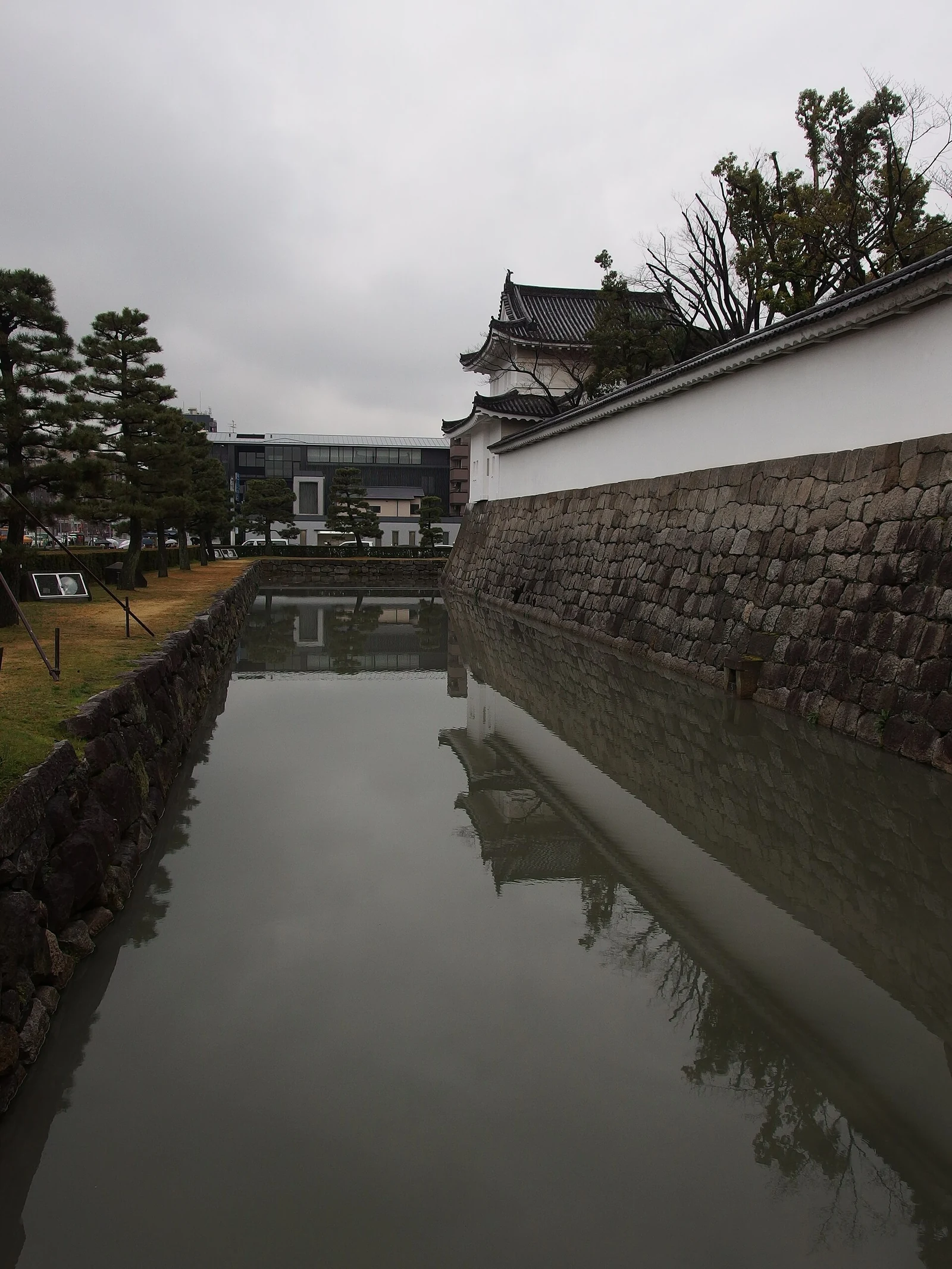
File:Moat @ Nijo Castle @ Kyoto (13405751814).jpg — Guilhem Vellut from Annecy, France. https://commons.wikimedia.org/wiki/File:Moat_@_Nijo_Castle_@_Kyoto_(13405751814).jpg | CC BY 2.0 https://creativecommons.org/licenses/by/2.0. Resized/re-encoded for web display; no crop or retouch.
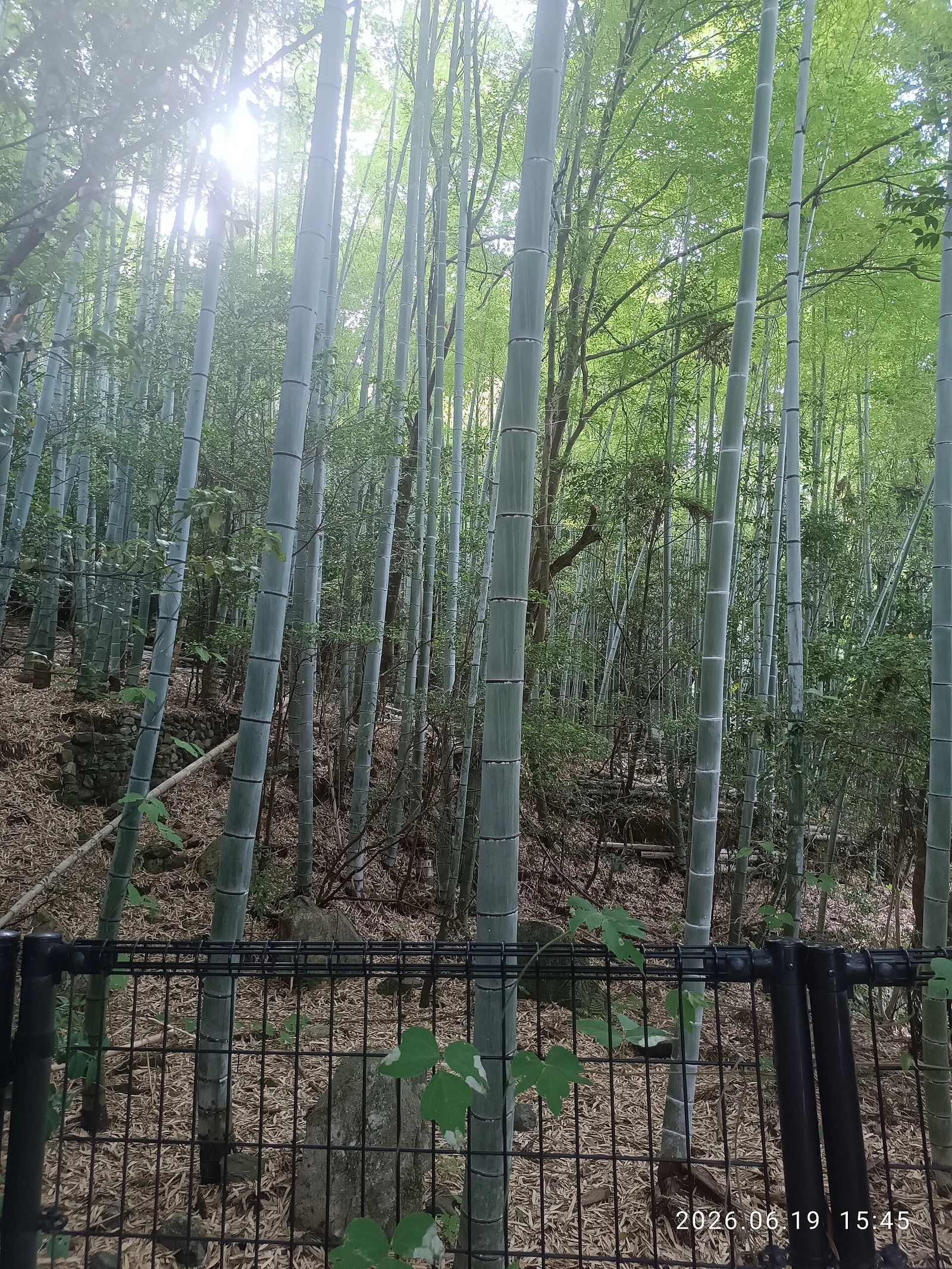
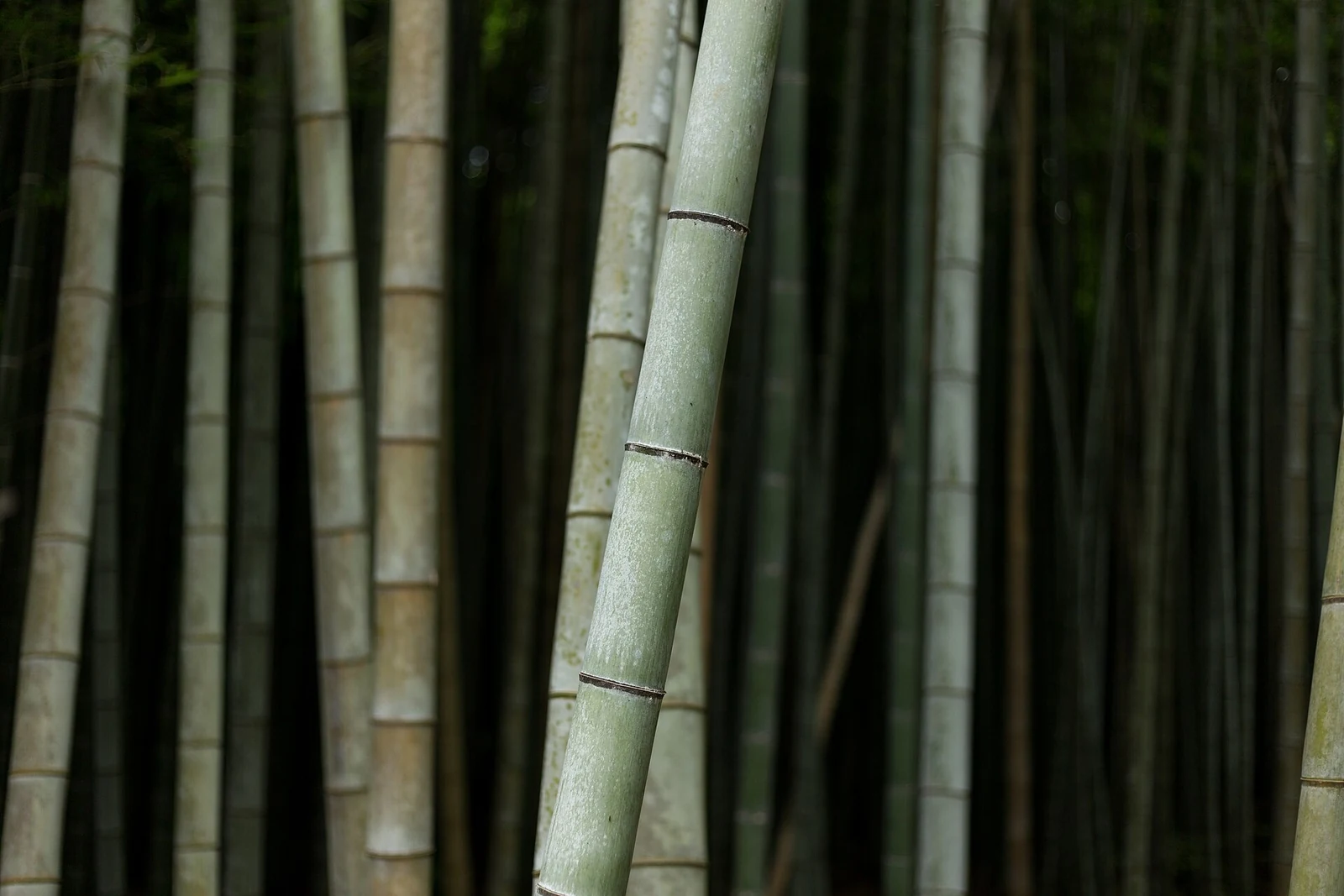
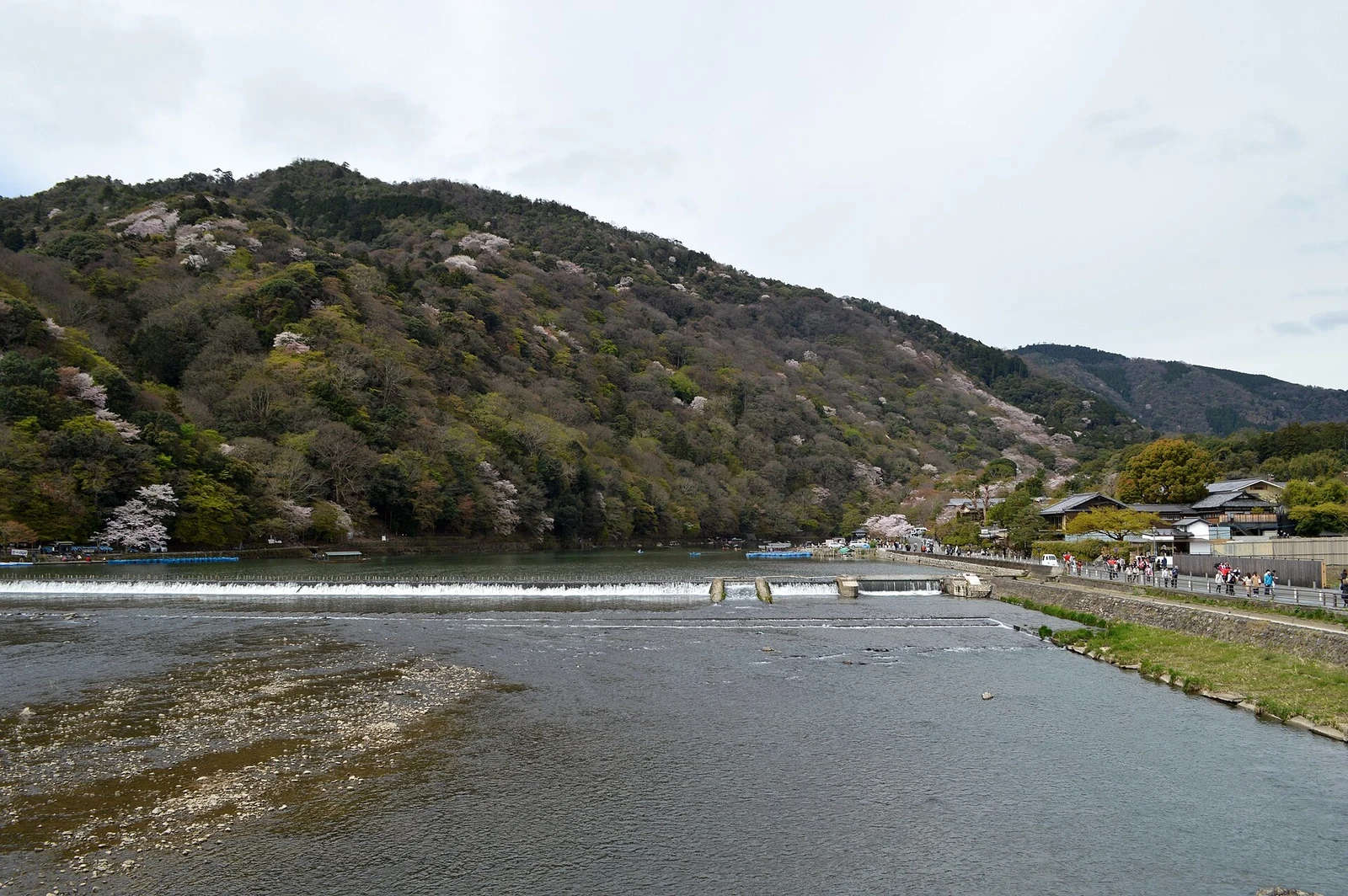
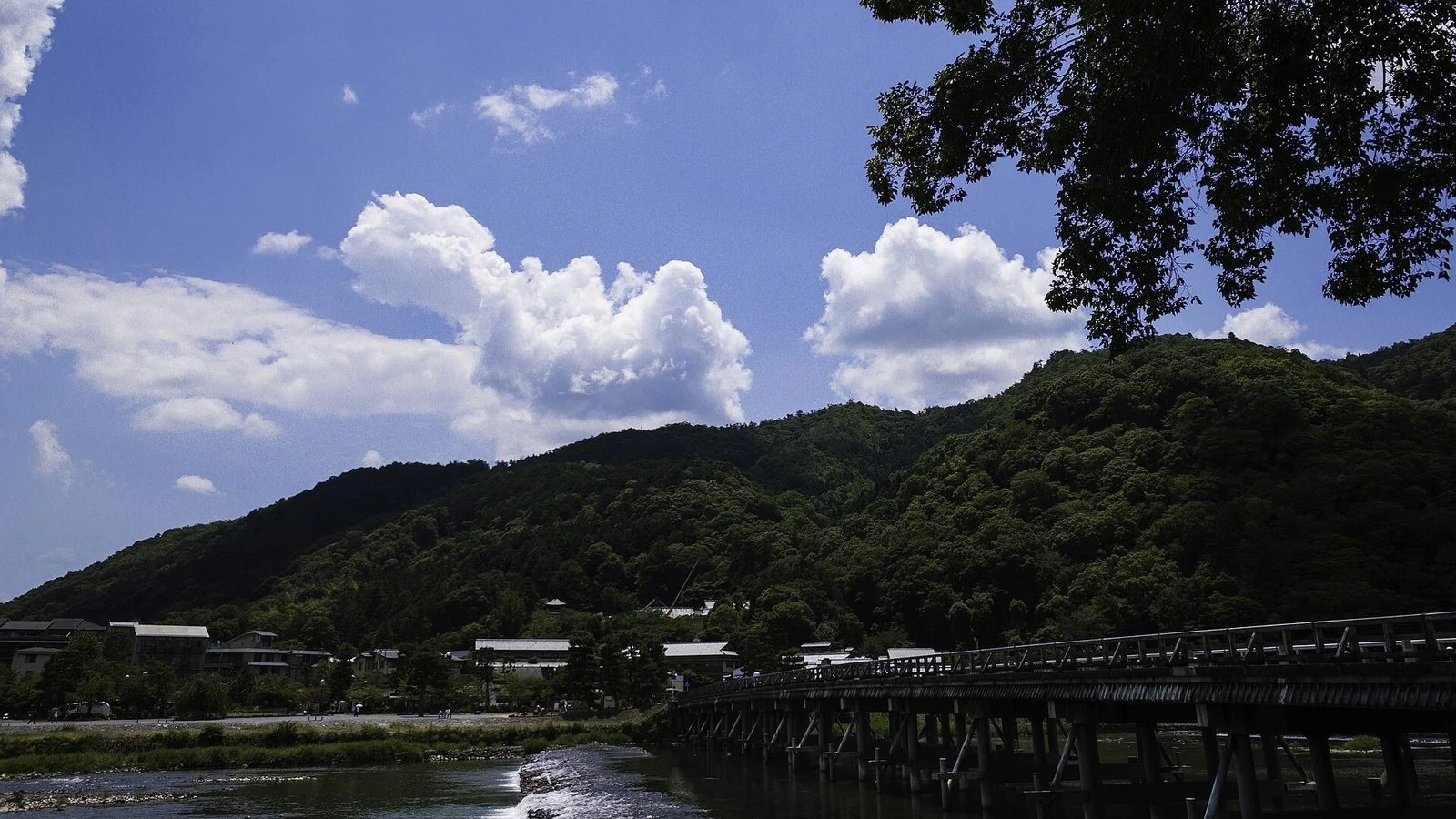
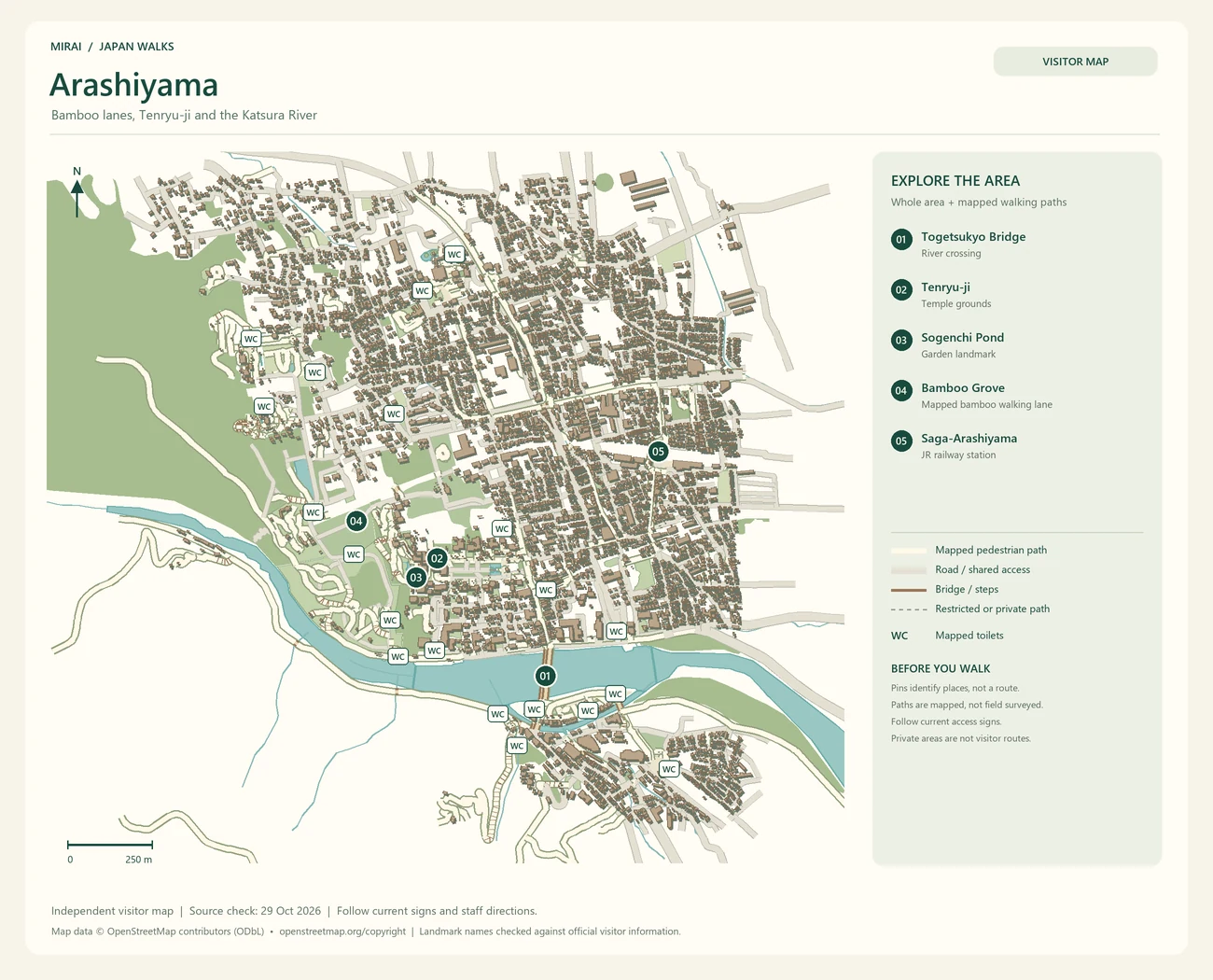
The Bamboo Grove’s tall stems, Togetsukyo Bridge across the river: Arashiyama invites a different kind of walk from the city streets.
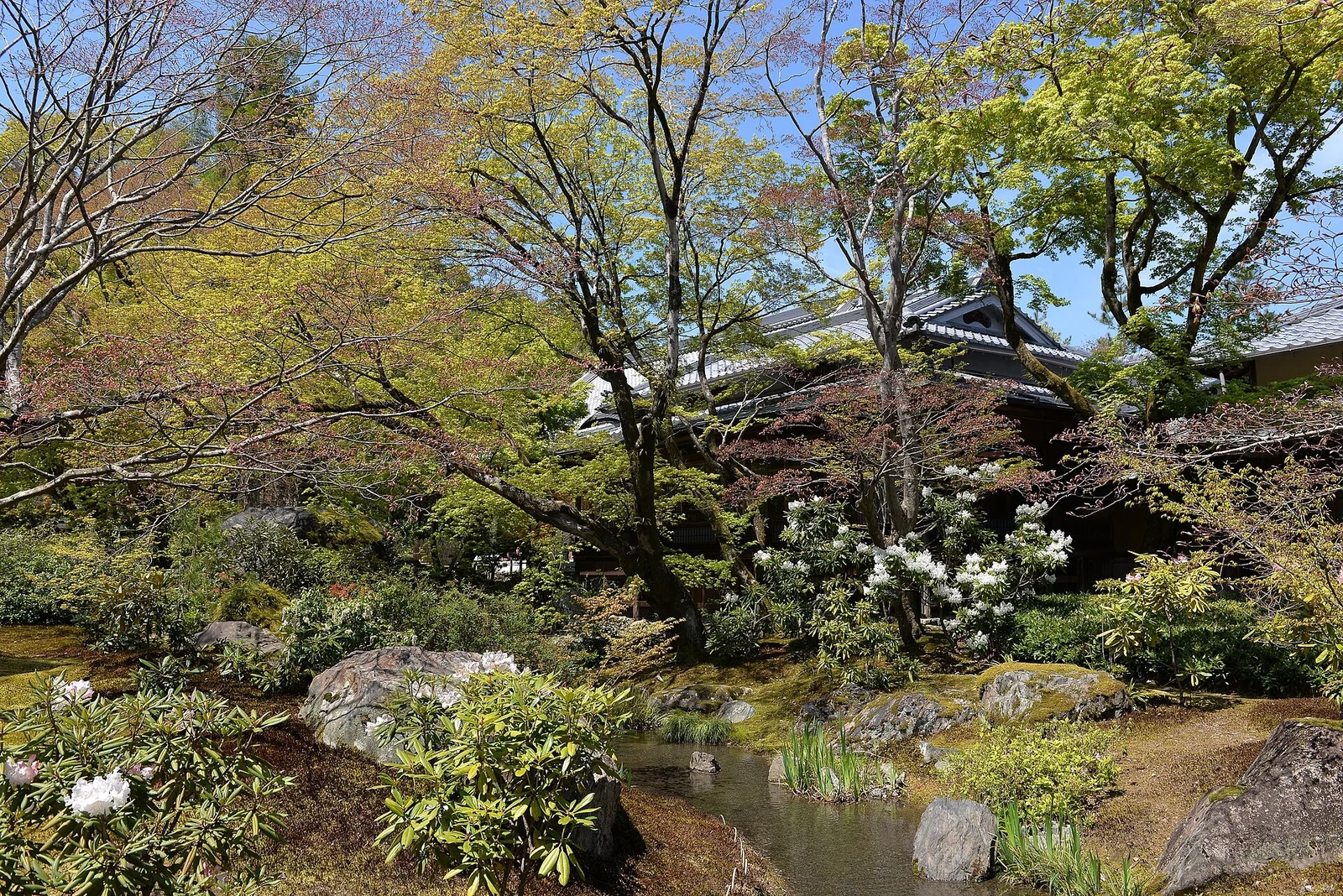
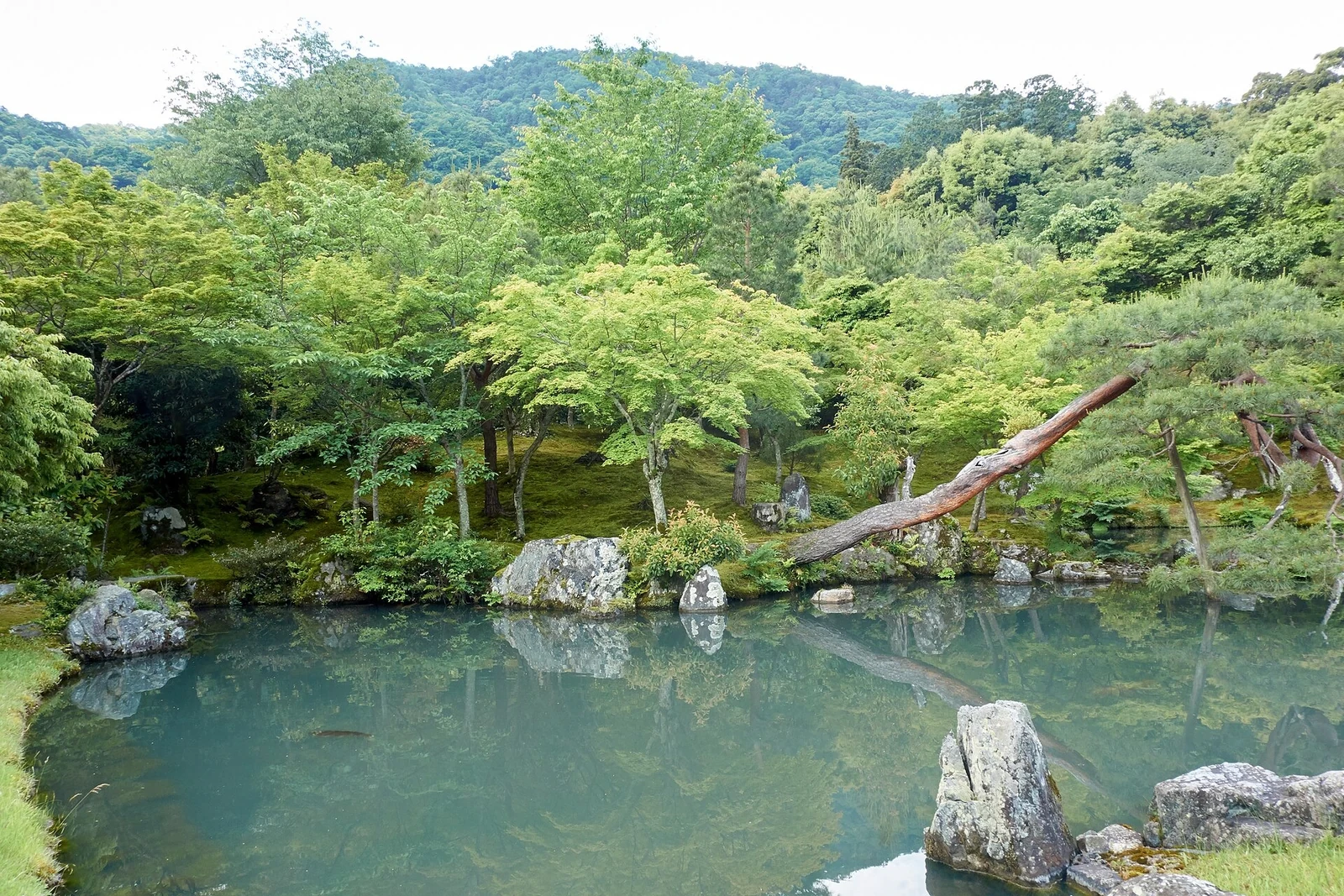
If gardens catch your attention, try Sogenchi Garden at Tenryu-ji. Its pond, stones and the mountains beyond give you plenty to look at. It could be fun to think about how the view has been composed as you notice each part.
After the bamboo, garden and riverbank, I would like a little time for tea, too. Allow roughly a half-day for Tenryu-ji and a walk nearby, and start with the place you most want to see.
Rickshaw rides are an option here as well. Explore a tempting lane on foot, or listen to a guide while taking in the scenery? You could compare the idea with Higashiyama and choose the one that appeals to you.
Tenryu-ji’s garden and buildings have different admission conditions, and ceremonies or other events can close the buildings to visitors. The garden and bamboo lanes are outdoors, so shorten the walk when rain or heat makes that more comfortable.
File:JP 日本 Japan tourism 京都 Kyoto 嵐山竹林 Arashiyama Bamboo Grove n Sagano Bamboo PathSagaogurayama Tabuchiyamacho Ukyo Ward Kyoto City June 2026 R12S 01.jpg — JuenKoom Yee HowP. https://commons.wikimedia.org/wiki/File:JP_%E6%97%A5%E6%9C%AC_Japan_tourism_%E4%BA%AC%E9%83%BD_Kyoto_%E5%B5%90%E5%B1%B1%E7%AB%B9%E6%9E%97_Arashiyama_Bamboo_Grove_n_Sagano_Bamboo_PathSagaogurayama_Tabuchiyamacho_Ukyo_Ward_Kyoto_City_June_2026_R12S_01.jpg | CC0 http://creativecommons.org/publicdomain/zero/1.0/deed.en. Resized/re-encoded for web display; no crop or retouch.
File:Arashiyama Bamboo Grove (Unsplash).jpg — Erol Ahmed erol. https://commons.wikimedia.org/wiki/File:Arashiyama_Bamboo_Grove_(Unsplash).jpg | CC0 http://creativecommons.org/publicdomain/zero/1.0/deed.en. Resized/re-encoded for web display; no crop or retouch.
File:View of the Katsura River and the Arashiyama mountains from Togetsukyo Bridge, Kyoto, 2016.jpg — DimiTalen. https://commons.wikimedia.org/wiki/File:View_of_the_Katsura_River_and_the_Arashiyama_mountains_from_Togetsukyo_Bridge,_Kyoto,_2016.jpg | CC0 http://creativecommons.org/publicdomain/zero/1.0/deed.en. Resized/re-encoded for web display; no crop or retouch.
File:Arashiyama Togetsukyo Kyoto.jpg — Rakuten0708. https://commons.wikimedia.org/wiki/File:Arashiyama_Togetsukyo_Kyoto.jpg | CC BY-SA 4.0 https://creativecommons.org/licenses/by-sa/4.0. Resized/re-encoded for web display; no crop or retouch.
File:Beautiful landscaping at Tenryu-ji for a true sense of zen! (48743691057).jpg — shankar s. from Poona (pune), India, India. https://commons.wikimedia.org/wiki/File:Beautiful_landscaping_at_Tenryu-ji_for_a_true_sense_of_zen!_(48743691057).jpg | CC BY 2.0 https://creativecommons.org/licenses/by/2.0. Resized/re-encoded for web display; no crop or retouch.
File:Tenryu-ji garden, May 2017.jpg — Celuici. https://commons.wikimedia.org/wiki/File:Tenryu-ji_garden,_May_2017.jpg | CC BY-SA 3.0 https://creativecommons.org/licenses/by-sa/3.0. Resized/re-encoded for web display; no crop or retouch.
File:250208 Tenryu-ji Kan'u-tei Kyoto Japan02s3.jpg — 663highland. https://commons.wikimedia.org/wiki/File:250208_Tenryu-ji_Kan%27u-tei_Kyoto_Japan02s3.jpg | CC BY-SA 4.0 https://creativecommons.org/licenses/by-sa/4.0. Resized/re-encoded for web display; no crop or retouch.
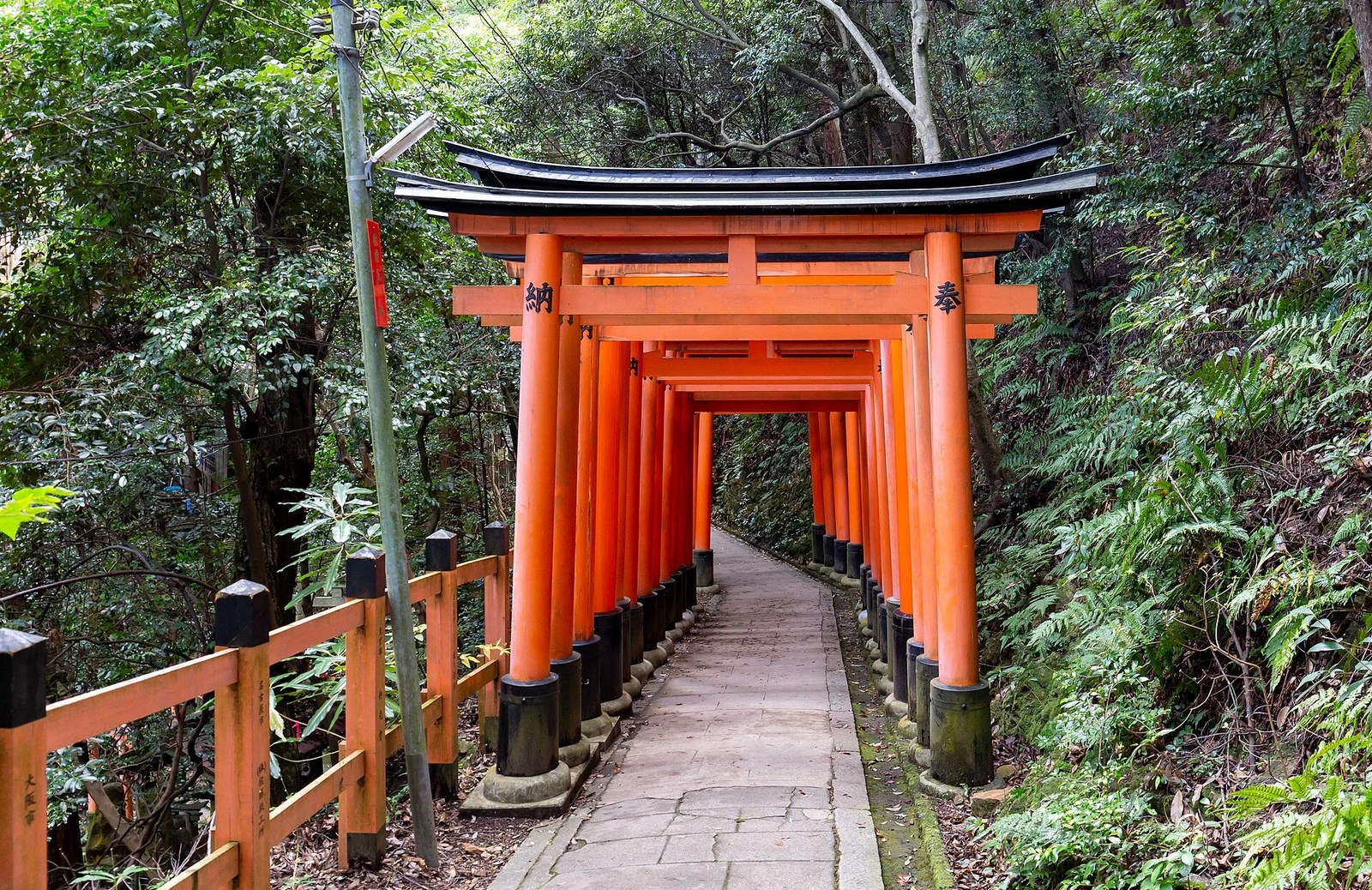
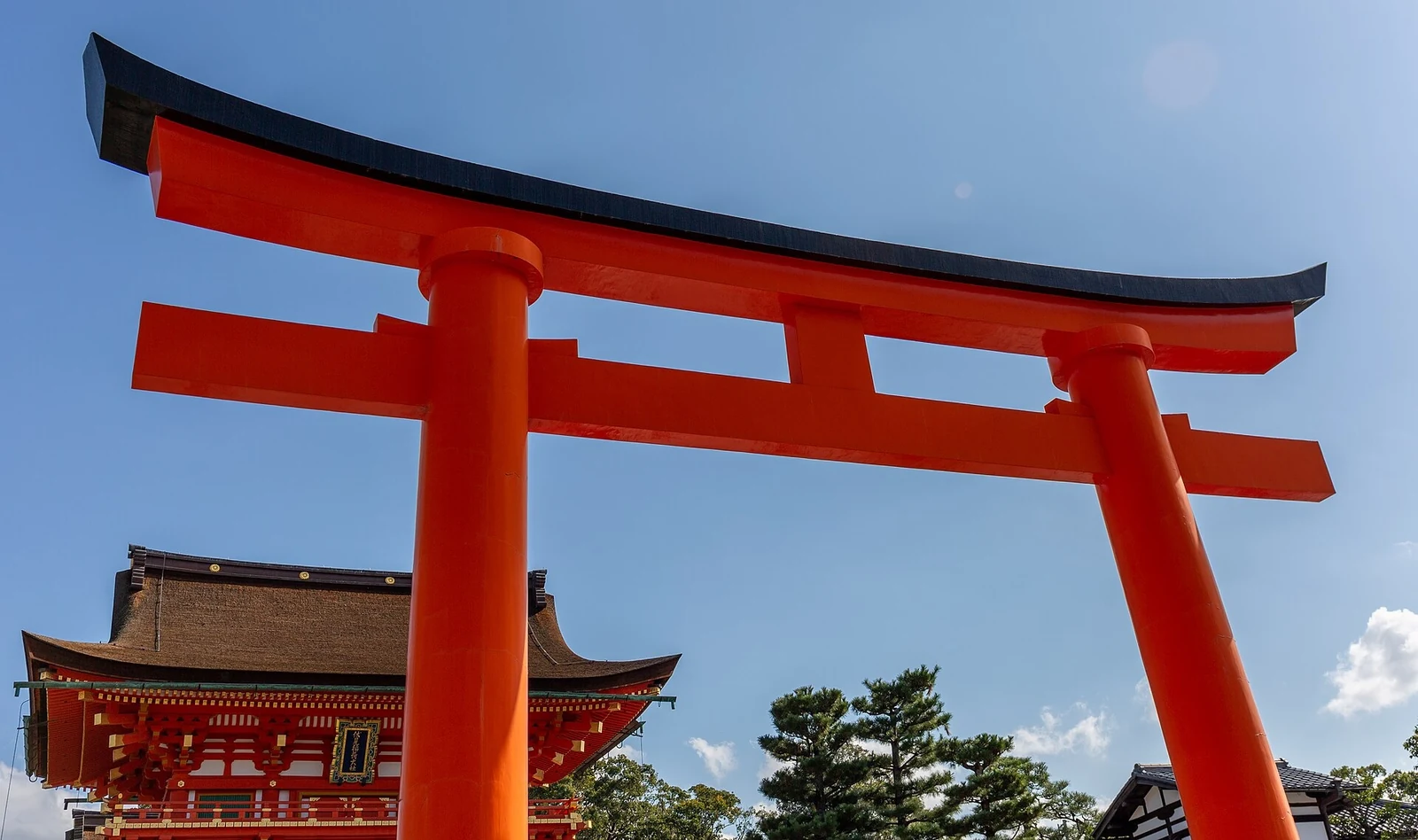
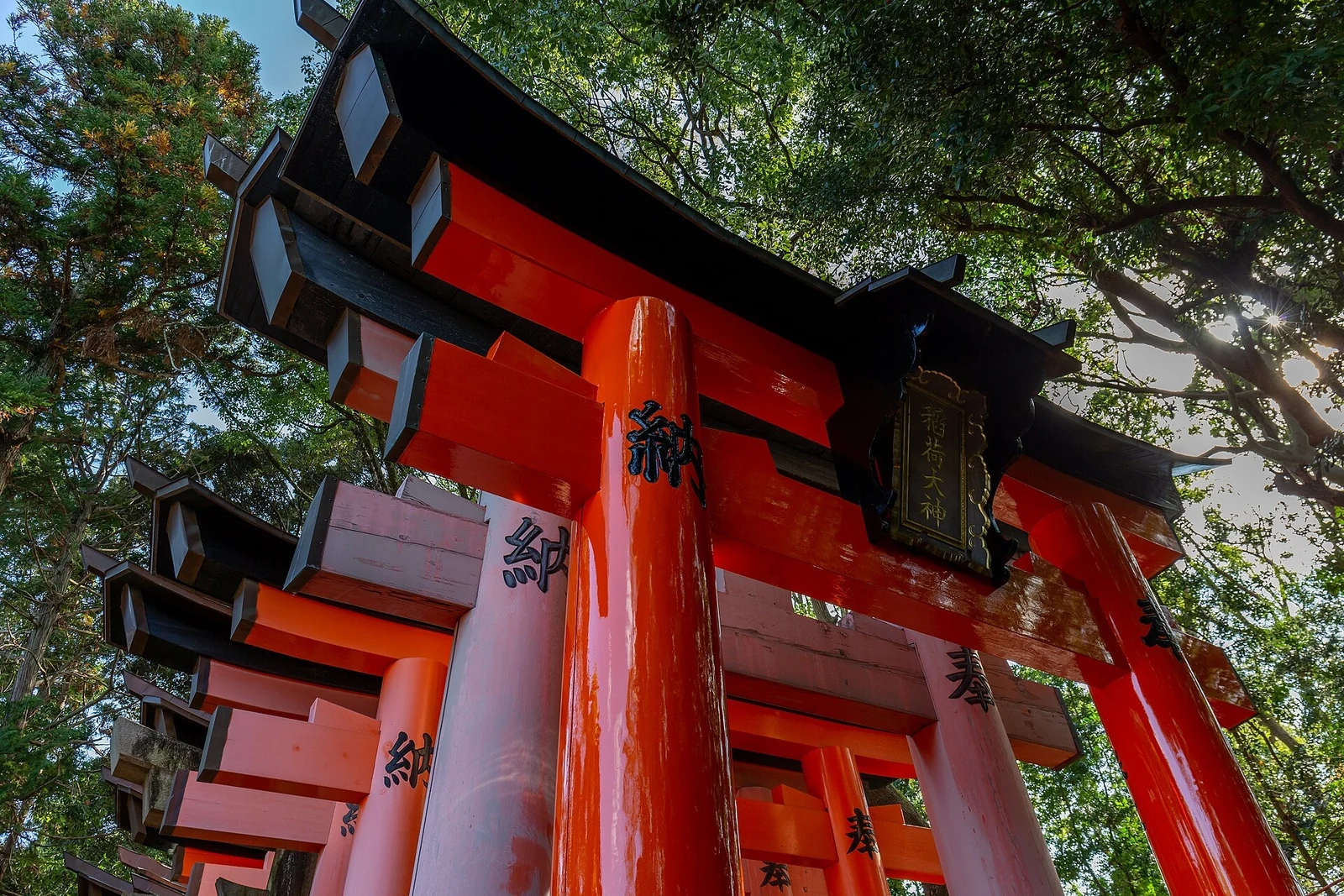
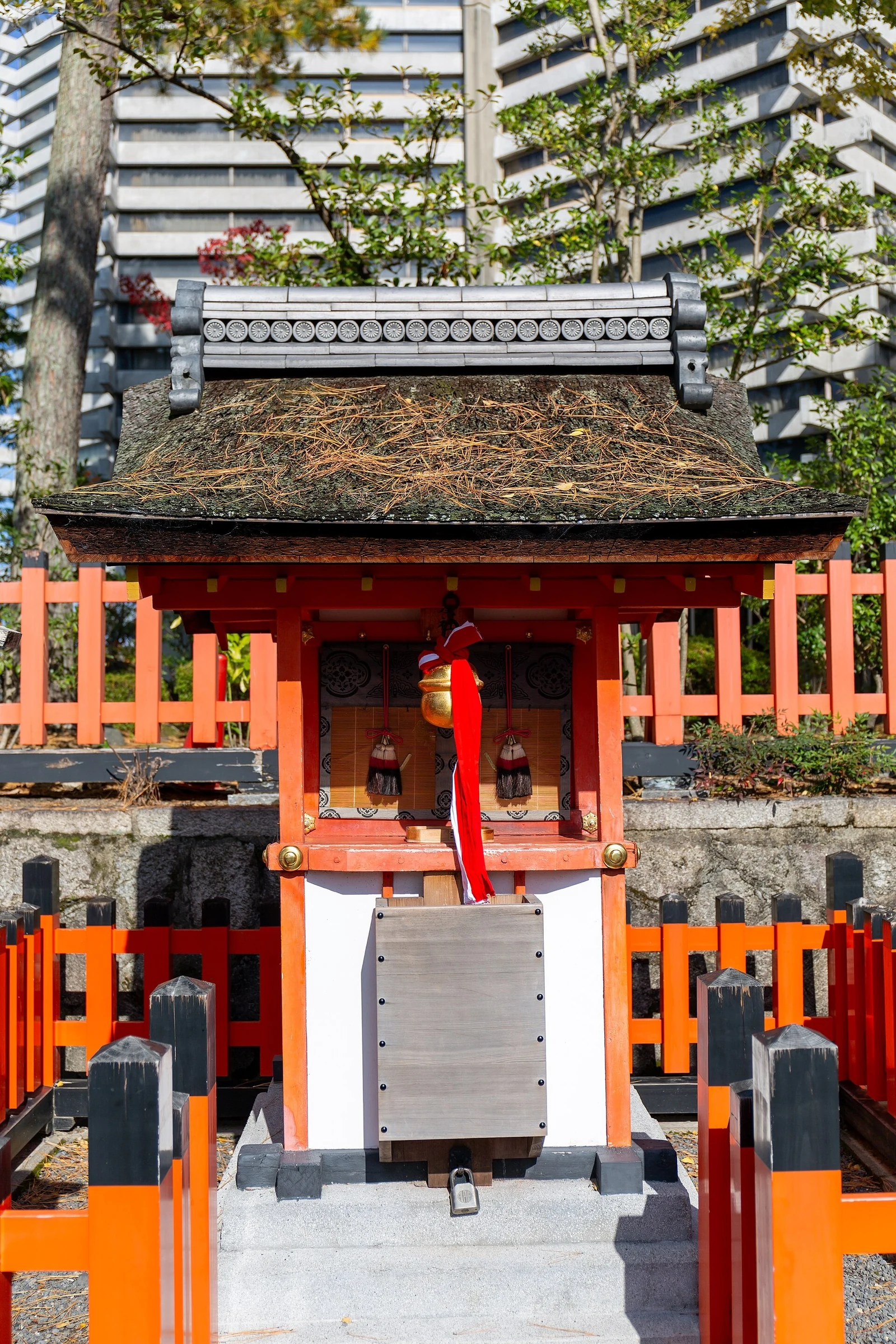
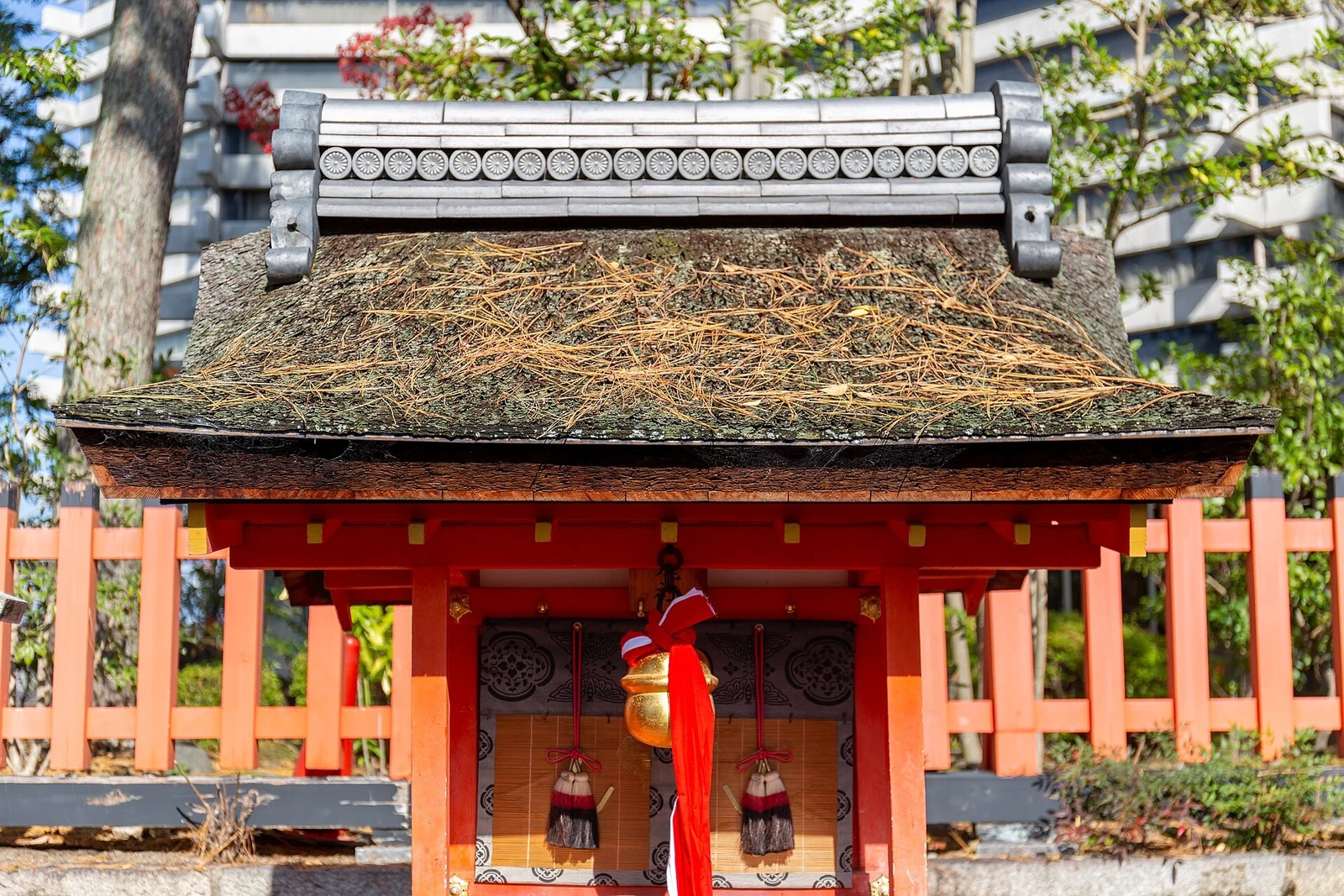
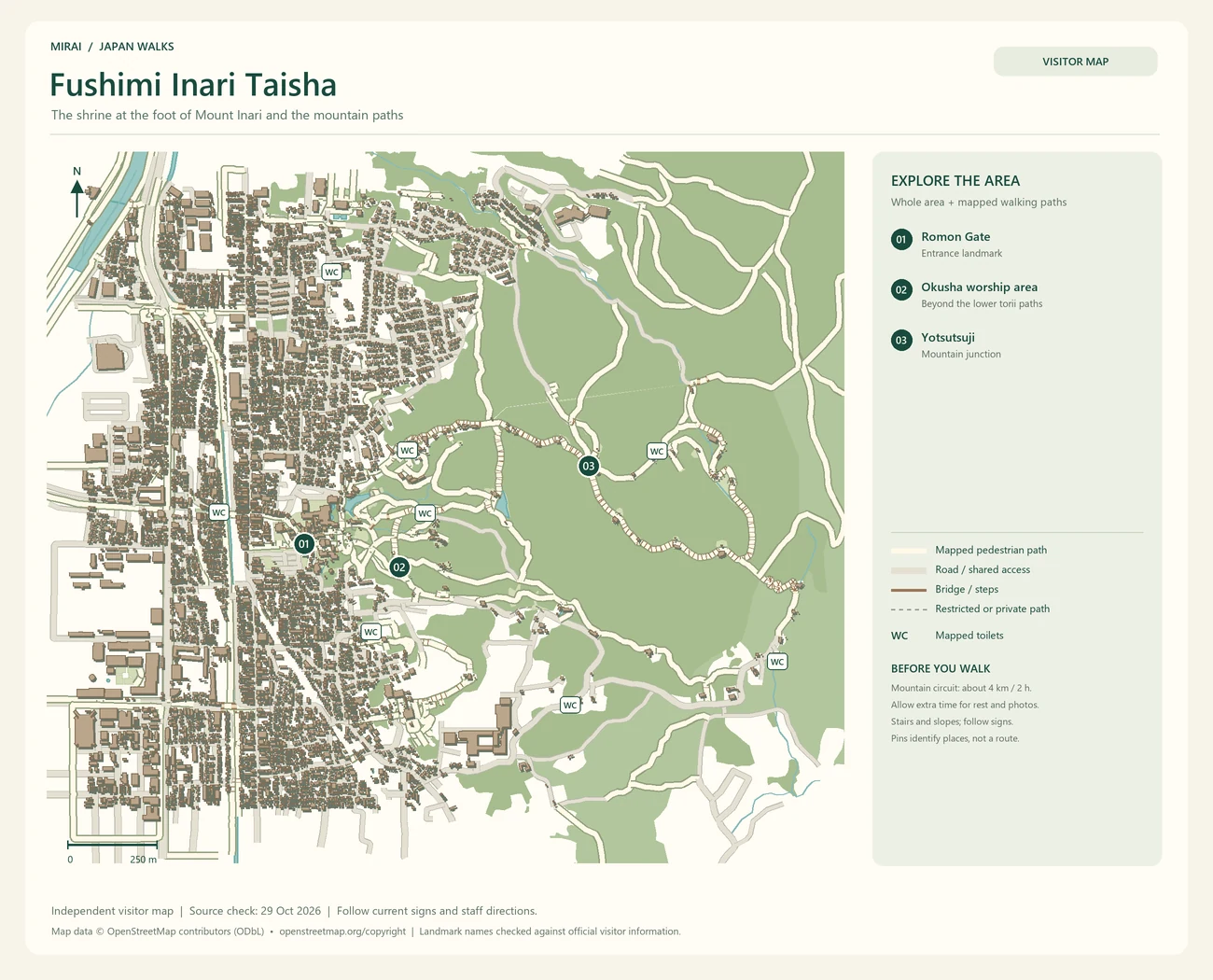
At Fushimi Inari Taisha, vermilion torii line the paths. When there is another gate beyond the one in front of you, it is tempting to keep going just a little farther, isn’t it?
The full Mount Inari circuit is approximately four kilometres and takes about two hours. Think of a visit around the foot of the mountain and a mountain circuit as different plans. Leave extra time if you want to stop for photographs and rests.
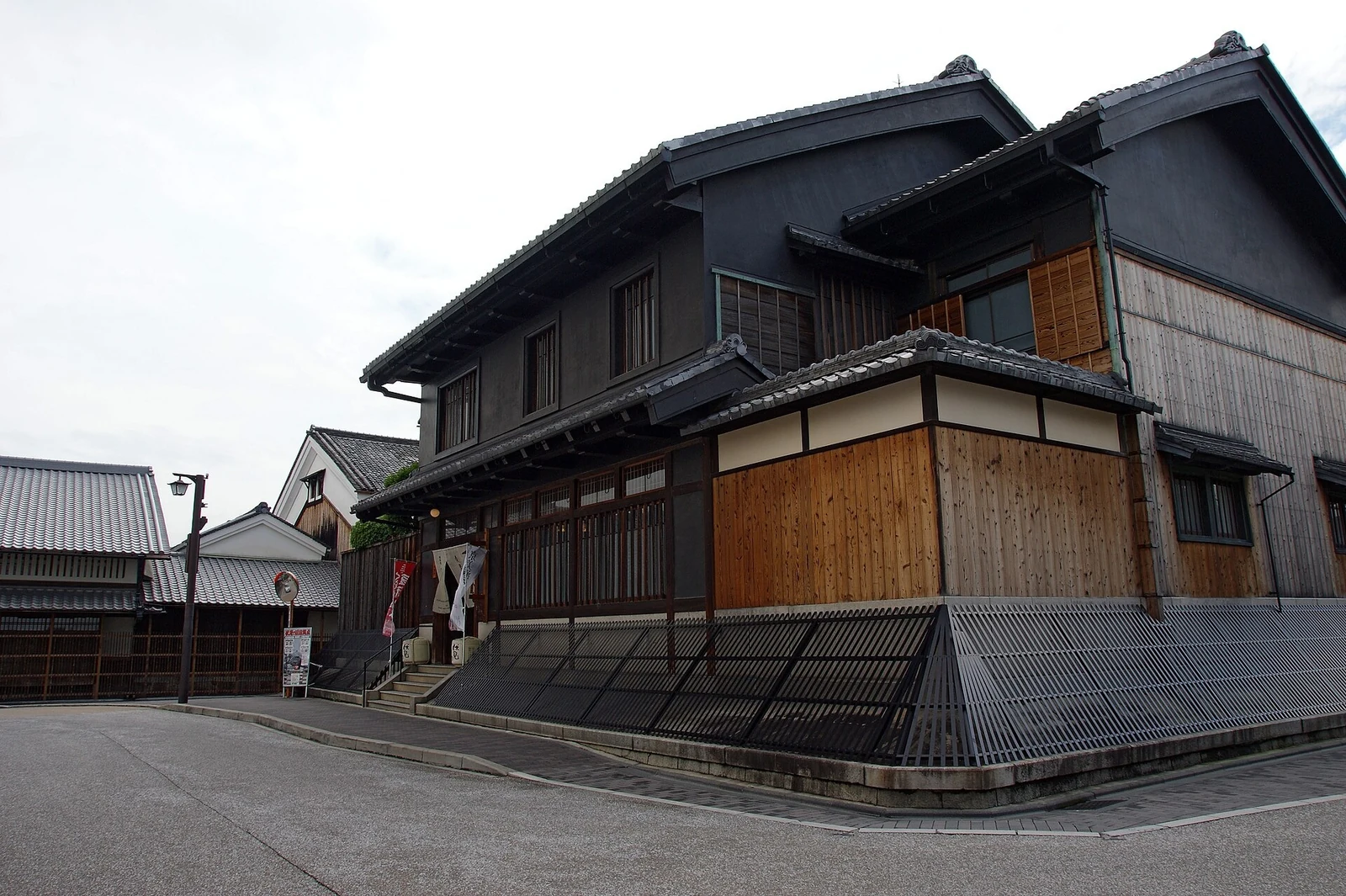
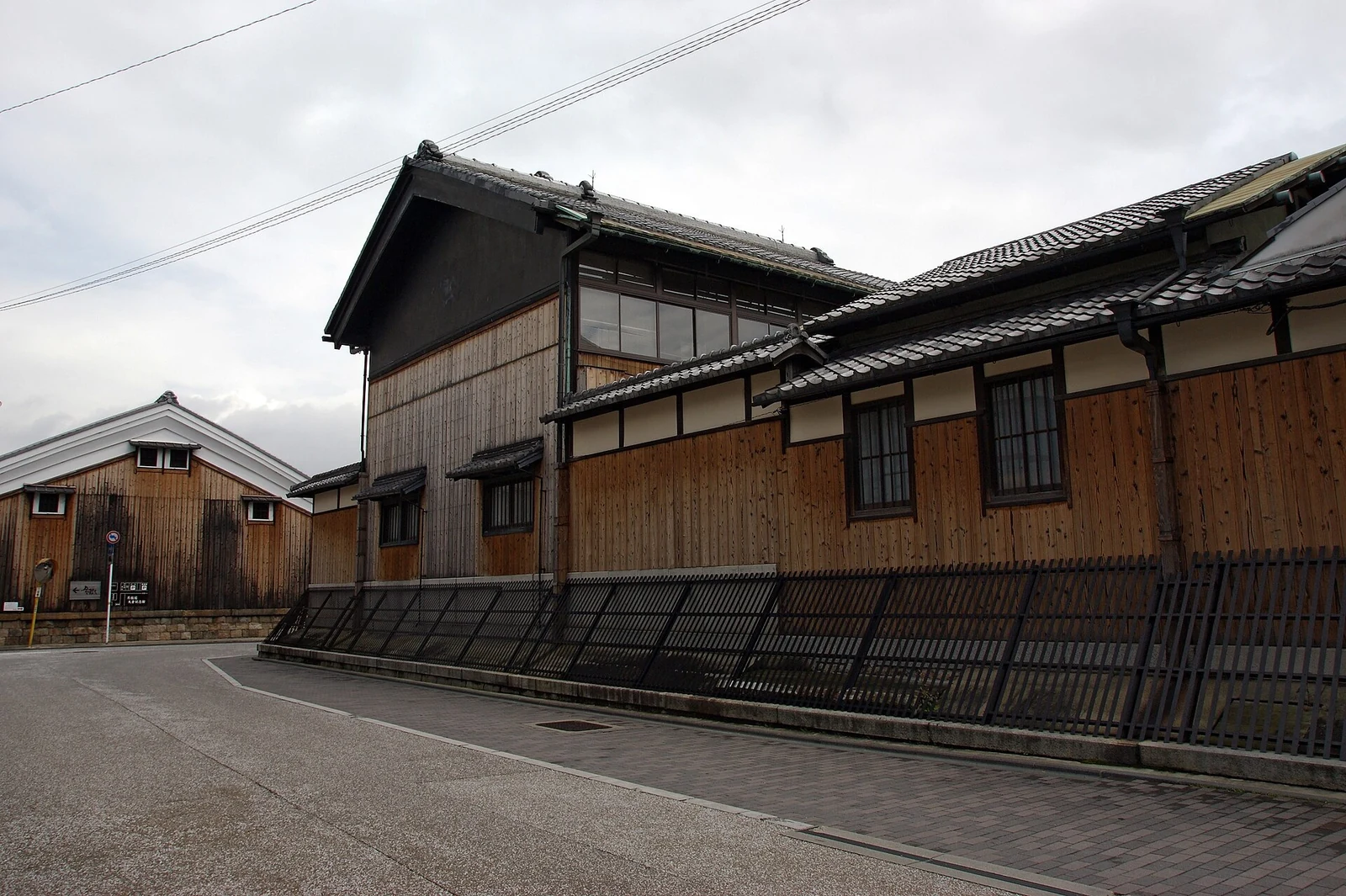
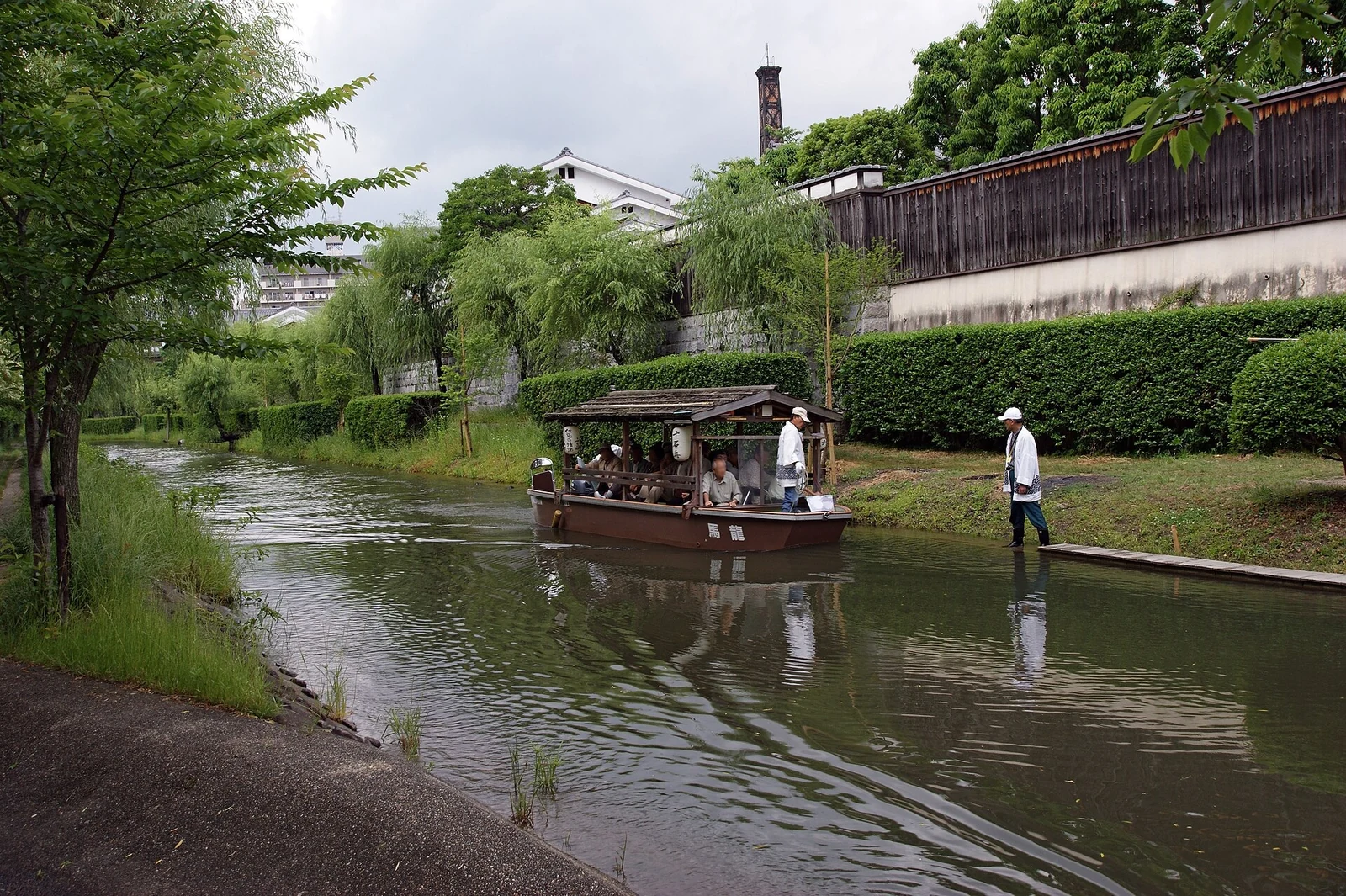
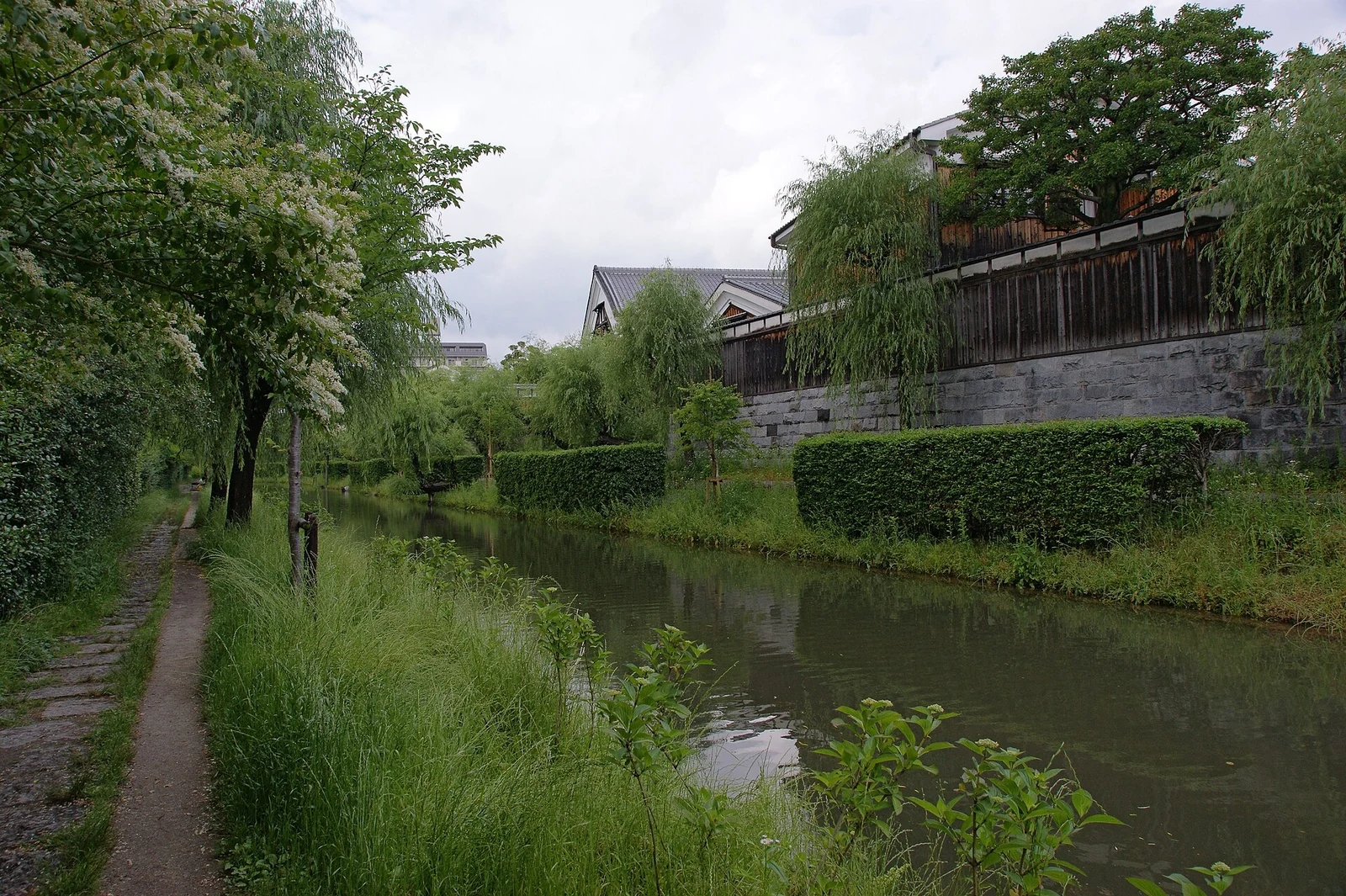
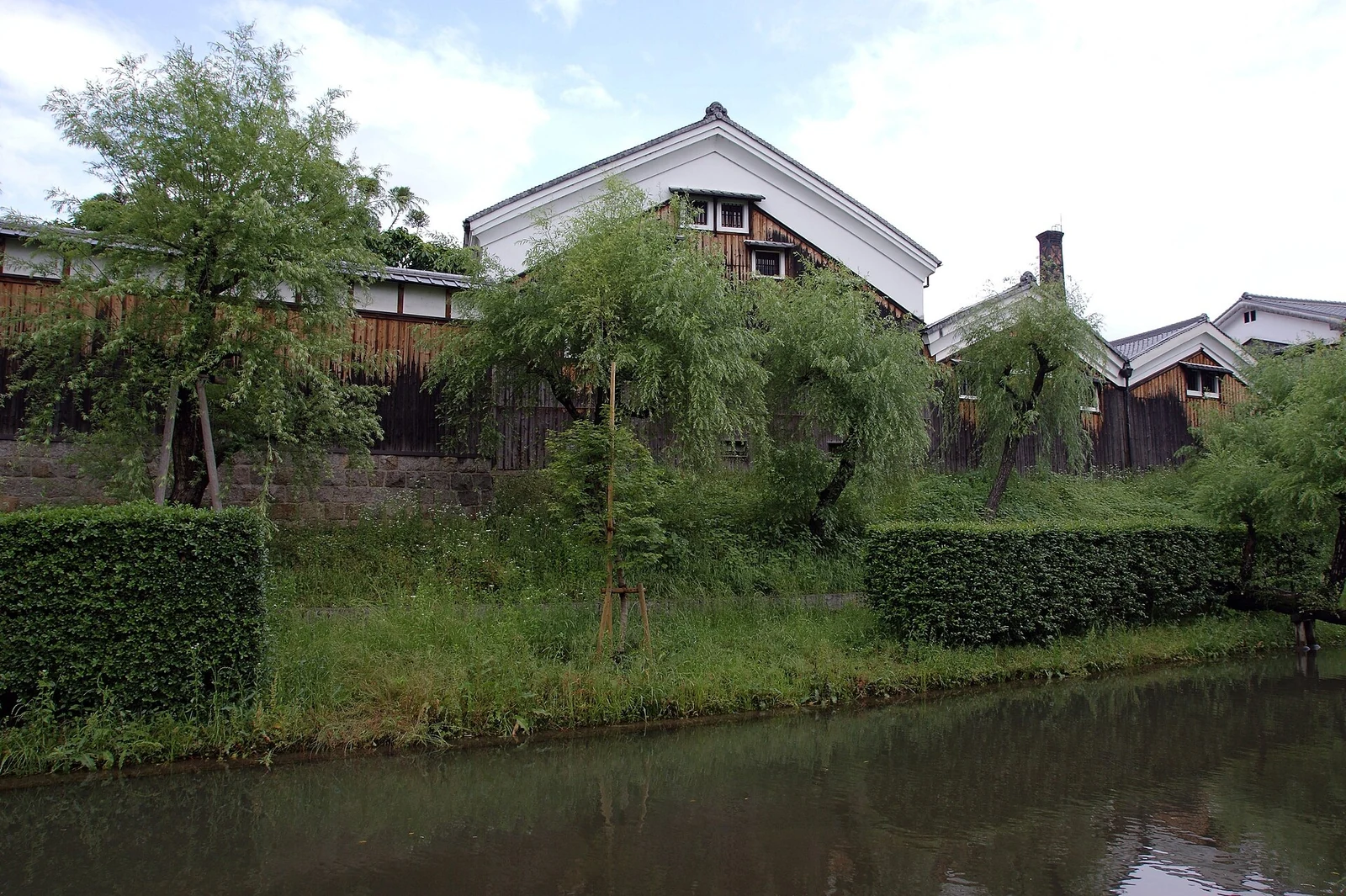
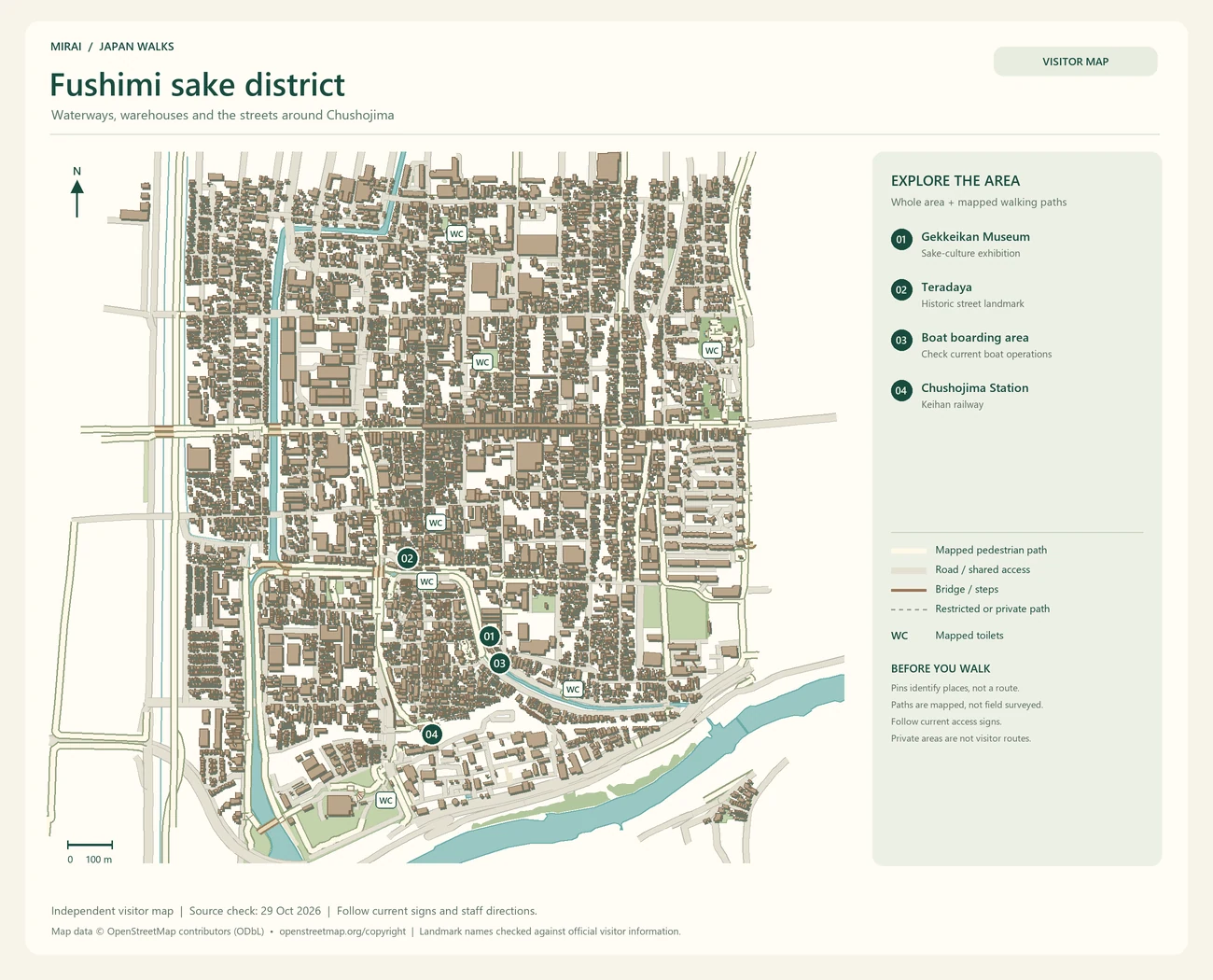
Elsewhere in Fushimi, the sake district has white-walled warehouses and waterside scenery. It is some distance from Fushimi Inari Taisha, so choose it as a separate destination.
For a little background to sake brewing, consider the Gekkeikan Okura Sake Museum. Its exhibitions introduce Fushimi’s sake culture. Advance reservations have priority; same-day admission may be available when there is space, but it is not guaranteed.
Would you choose the torii-lined paths, or a slower afternoon beside the water? Both are tempting, but giving one of them your time sounds lovely, too.
File:20181110 Fushimi Inari Torii 12.jpg — Balon Greyjoy. https://commons.wikimedia.org/wiki/File:20181110_Fushimi_Inari_Torii_12.jpg | CC0 http://creativecommons.org/publicdomain/zero/1.0/deed.en. Resized/re-encoded for web display; no crop or retouch.
File:20181110 Fushimi Inari Torii 1.jpg — Balon Greyjoy. https://commons.wikimedia.org/wiki/File:20181110_Fushimi_Inari_Torii_1.jpg | CC0 http://creativecommons.org/publicdomain/zero/1.0/deed.en. Resized/re-encoded for web display; no crop or retouch.
File:20181110 Fushimi Inari Torii 3.jpg — Balon Greyjoy. https://commons.wikimedia.org/wiki/File:20181110_Fushimi_Inari_Torii_3.jpg | CC0 http://creativecommons.org/publicdomain/zero/1.0/deed.en. Resized/re-encoded for web display; no crop or retouch.
File:20181110 Fushimi Inari shrine 1.jpg — Balon Greyjoy. https://commons.wikimedia.org/wiki/File:20181110_Fushimi_Inari_shrine_1.jpg | CC0 http://creativecommons.org/publicdomain/zero/1.0/deed.en. Resized/re-encoded for web display; no crop or retouch.
File:20181110 Fushimi Inari shrine 2.jpg — Balon Greyjoy. https://commons.wikimedia.org/wiki/File:20181110_Fushimi_Inari_shrine_2.jpg | CC0 http://creativecommons.org/publicdomain/zero/1.0/deed.en. Resized/re-encoded for web display; no crop or retouch.
File:Gekkeikan Sake Brewing01st3200.jpg — 663highland. https://commons.wikimedia.org/wiki/File:Gekkeikan_Sake_Brewing01st3200.jpg | CC BY 2.5 https://creativecommons.org/licenses/by/2.5. Resized/re-encoded for web display; no crop or retouch.
File:Gekkeikan Sake Brewing02st3200.jpg — 663highland. https://commons.wikimedia.org/wiki/File:Gekkeikan_Sake_Brewing02st3200.jpg | CC BY 2.5 https://creativecommons.org/licenses/by/2.5. Resized/re-encoded for web display; no crop or retouch.
File:Kyoto Fushimi Horikawa01s4592.jpg — 663highland. https://commons.wikimedia.org/wiki/File:Kyoto_Fushimi_Horikawa01s4592.jpg | CC BY 2.5 https://creativecommons.org/licenses/by/2.5. Resized/re-encoded for web display; no crop or retouch.
File:Kyoto Fushimi Horikawa05s4592.jpg — 663highland. https://commons.wikimedia.org/wiki/File:Kyoto_Fushimi_Horikawa05s4592.jpg | CC BY 2.5 https://creativecommons.org/licenses/by/2.5. Resized/re-encoded for web display; no crop or retouch.
File:Kyoto Fushimi Horikawa06st3200.jpg — 663highland. https://commons.wikimedia.org/wiki/File:Kyoto_Fushimi_Horikawa06st3200.jpg | CC BY 2.5 https://creativecommons.org/licenses/by/2.5. Resized/re-encoded for web display; no crop or retouch.
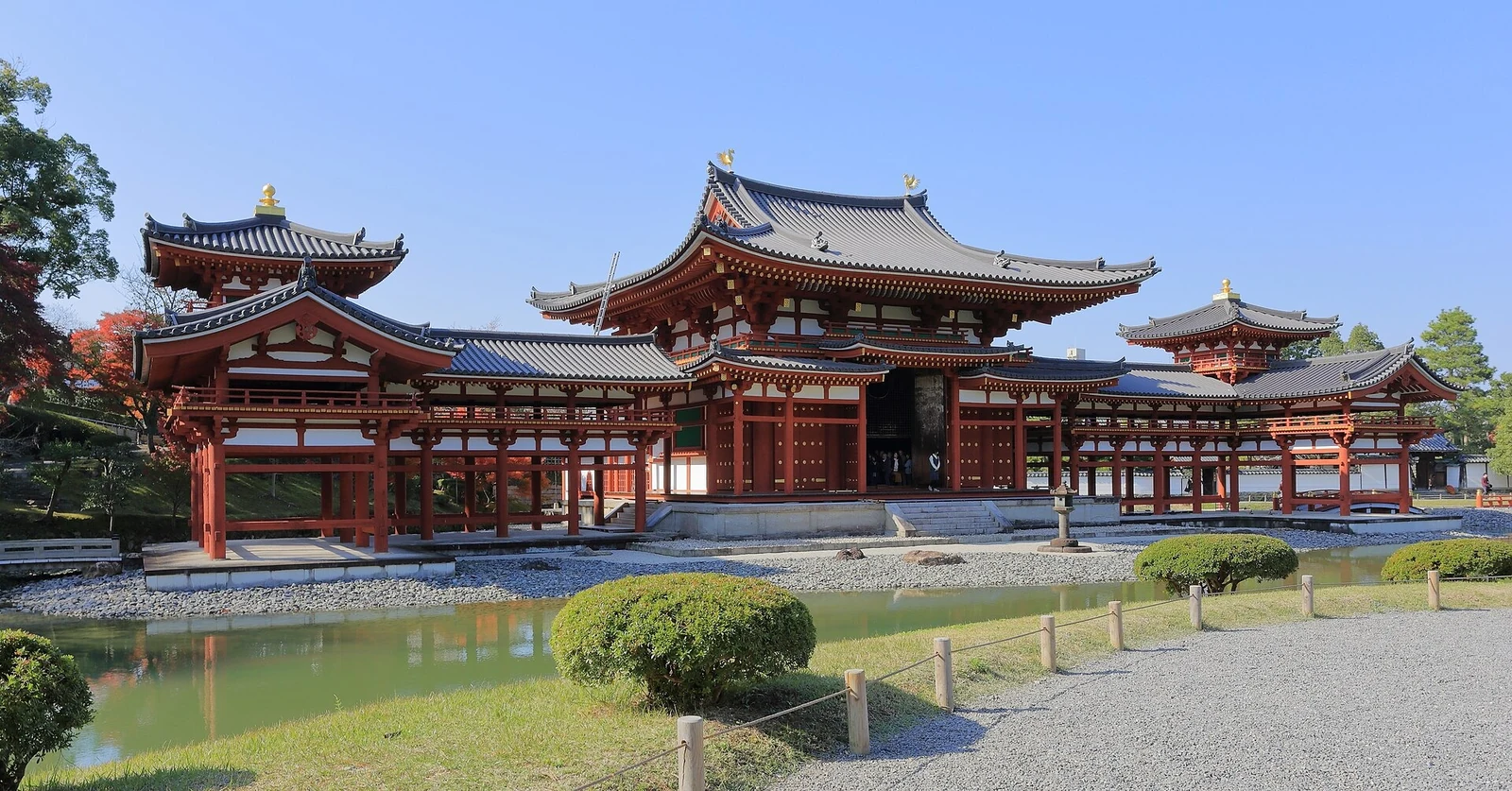
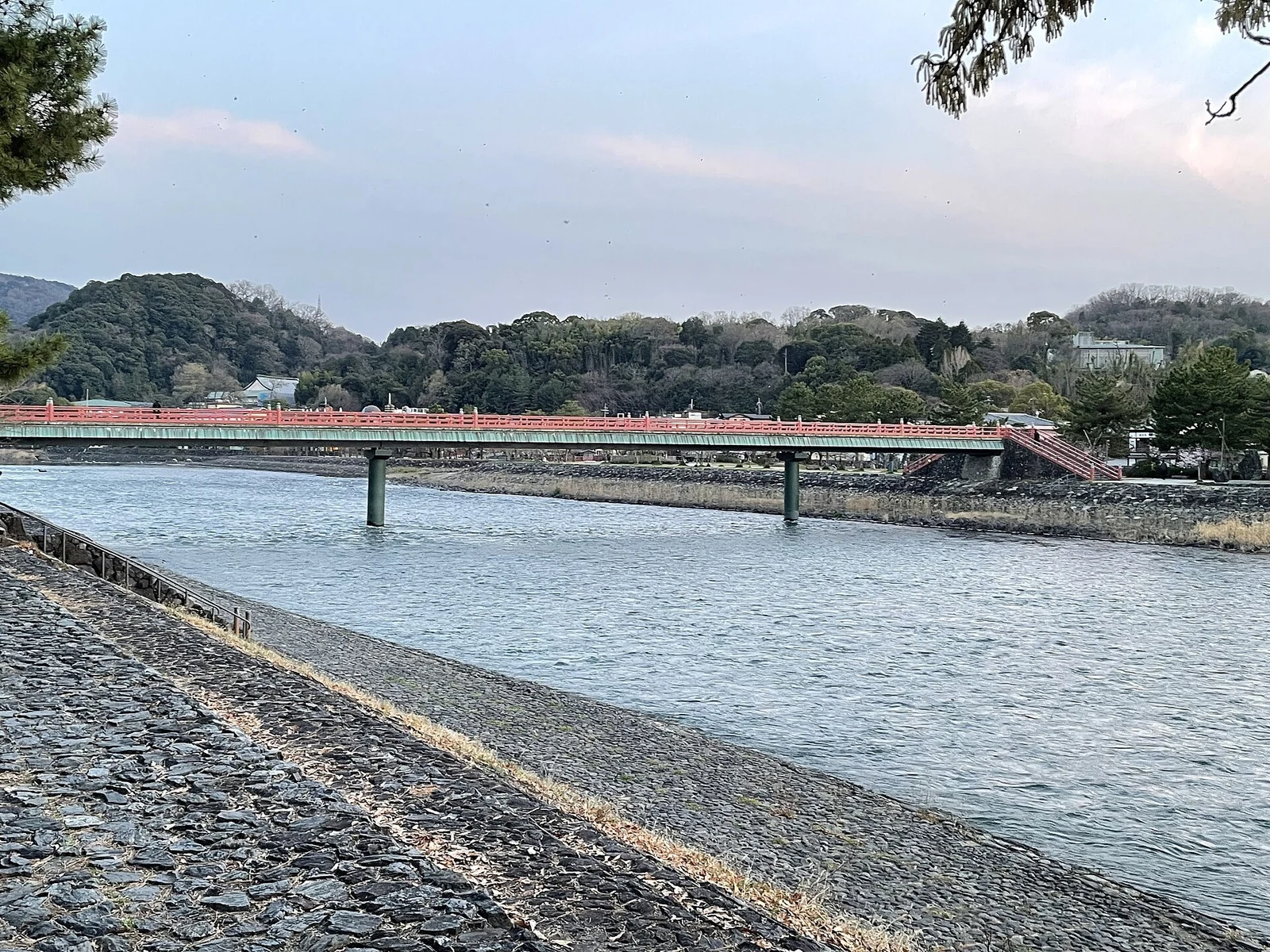
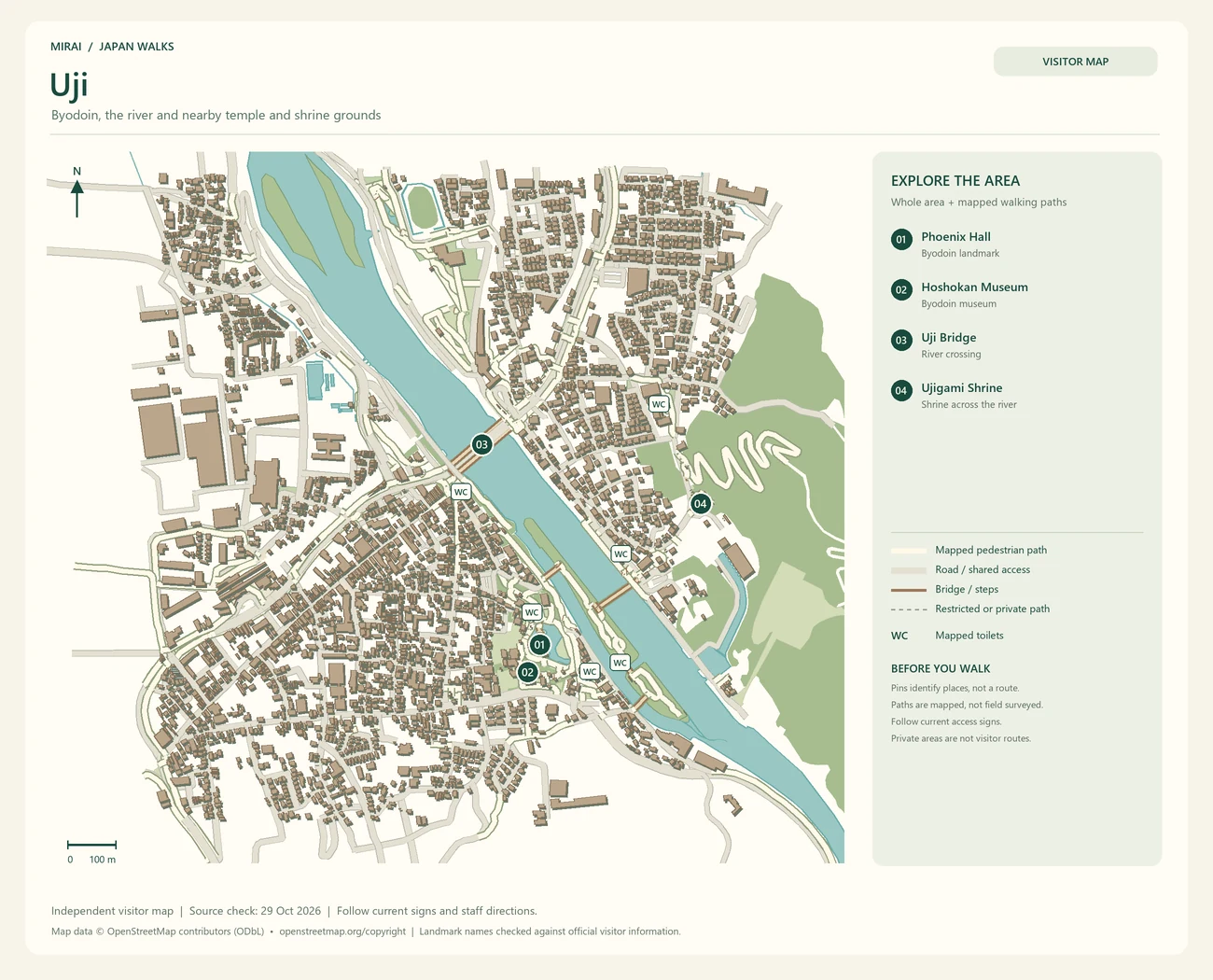
In Uji, I would begin with Byodoin’s Phoenix Hall. After admiring it across the pond, explore the art preserved at Byodoin in its Hoshokan Museum.
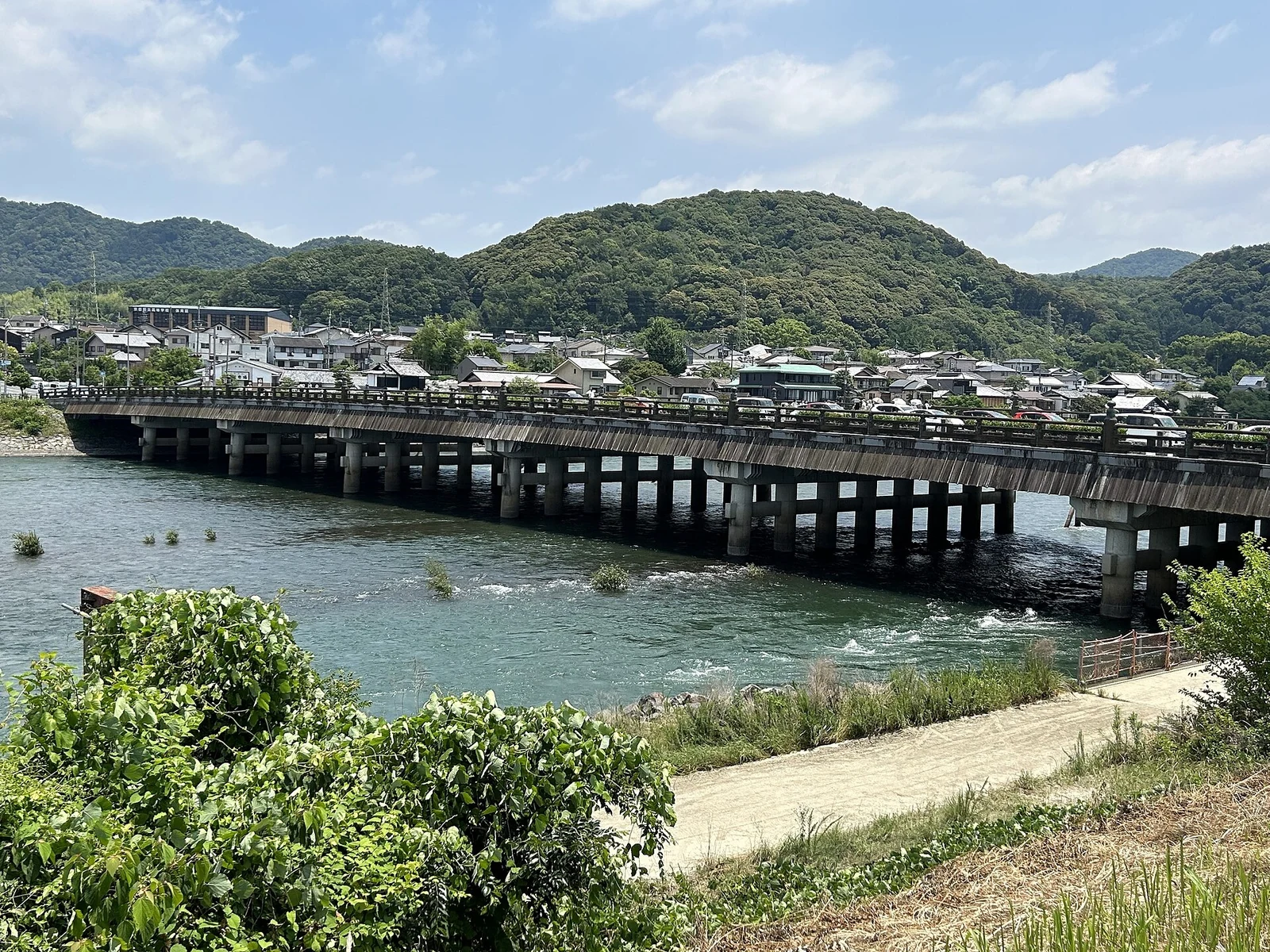
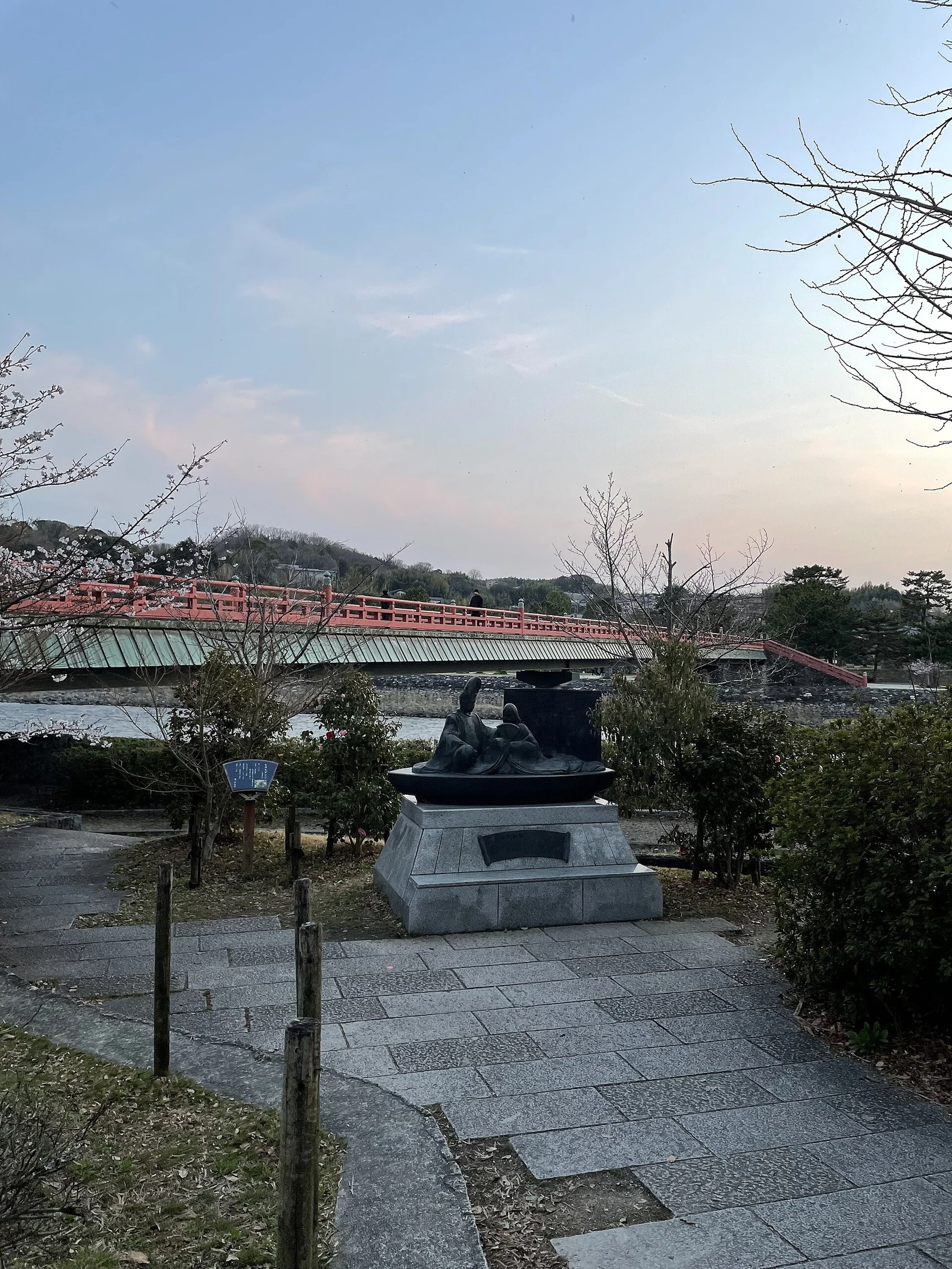
A visit to the hall’s exterior and the museum takes a different amount of time from a visit with shopping and tea added. If you would like a walk by the Uji River and a tea break as well, leave a half-day to enjoy it gently.
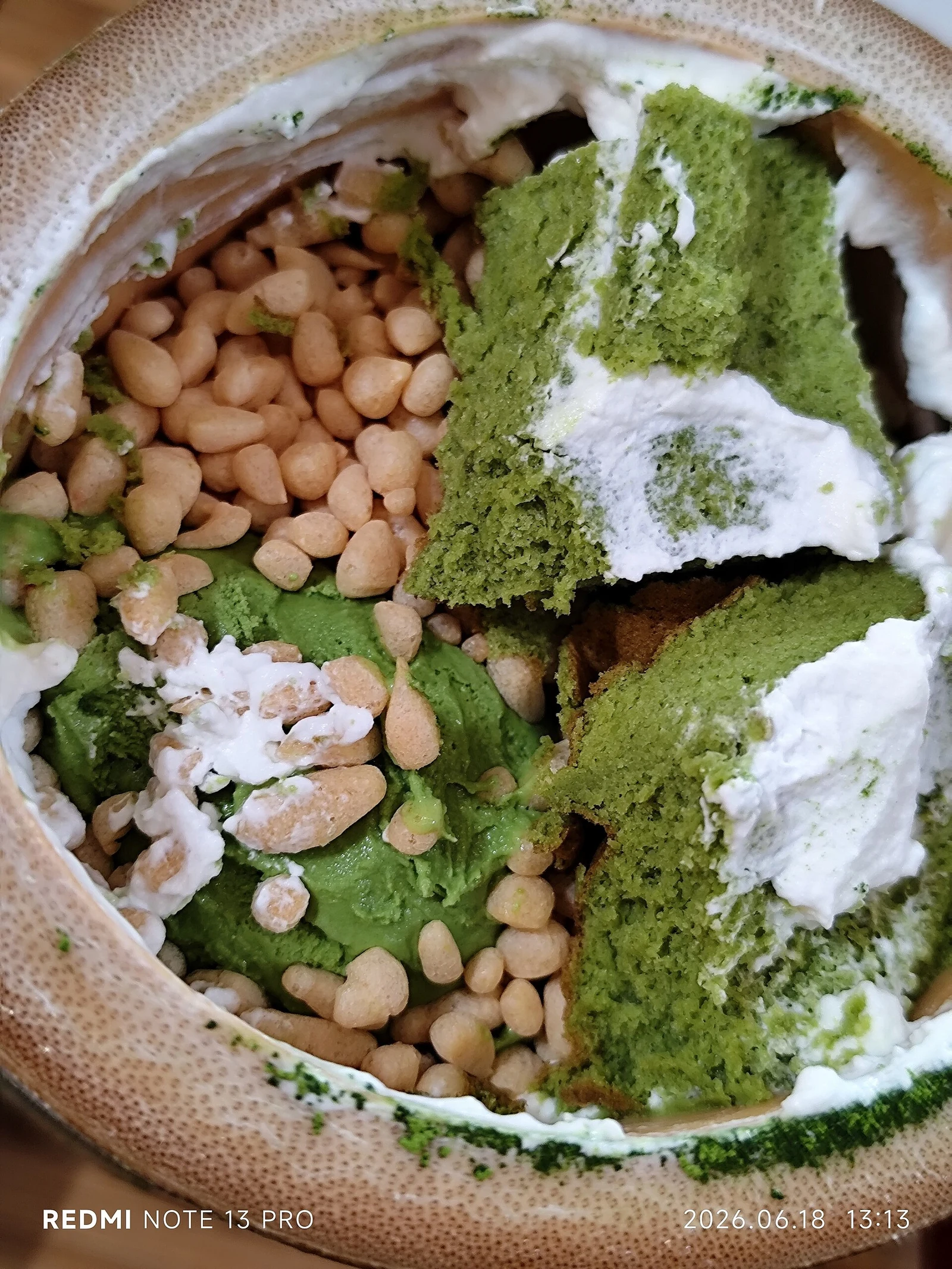
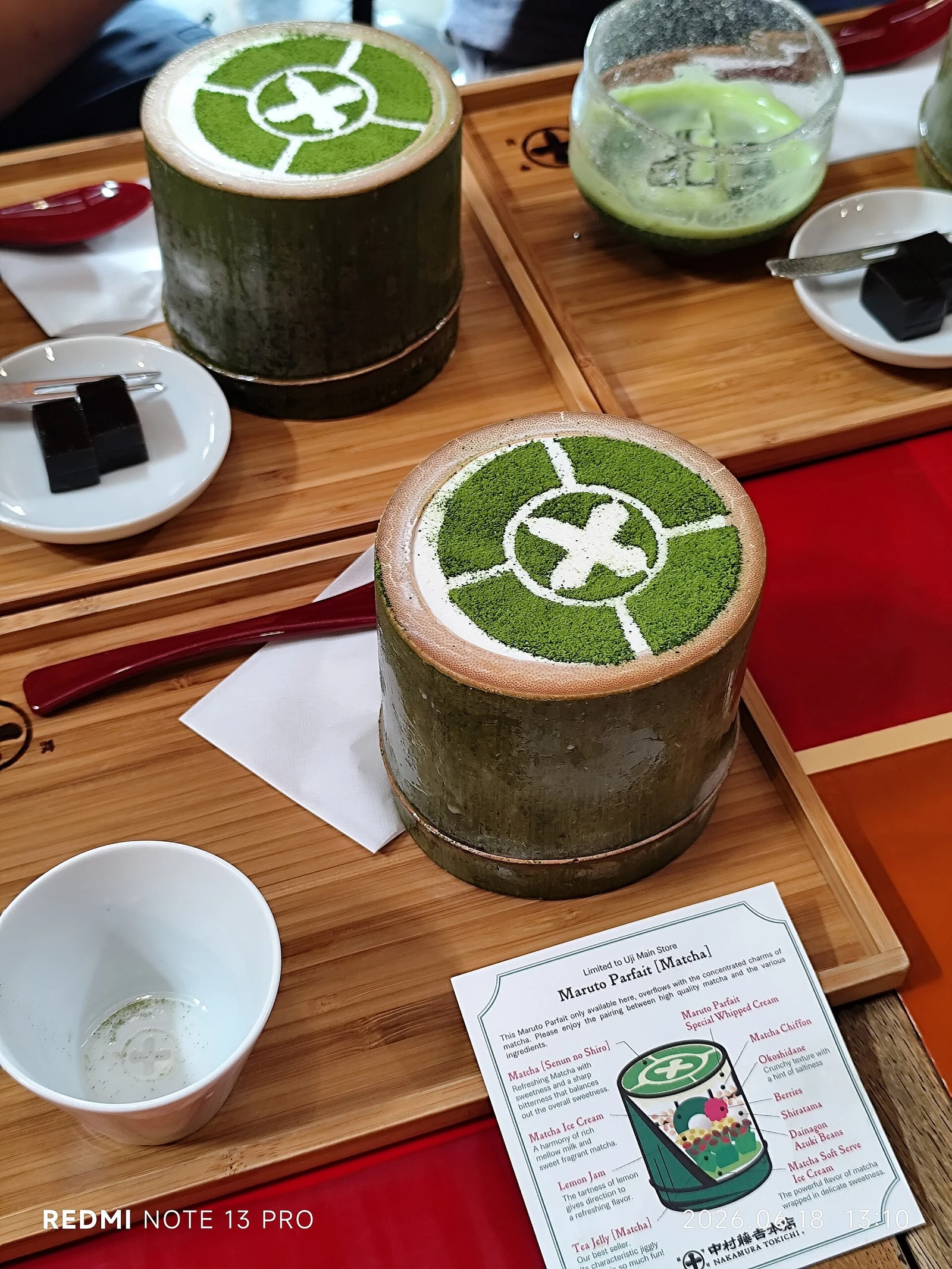
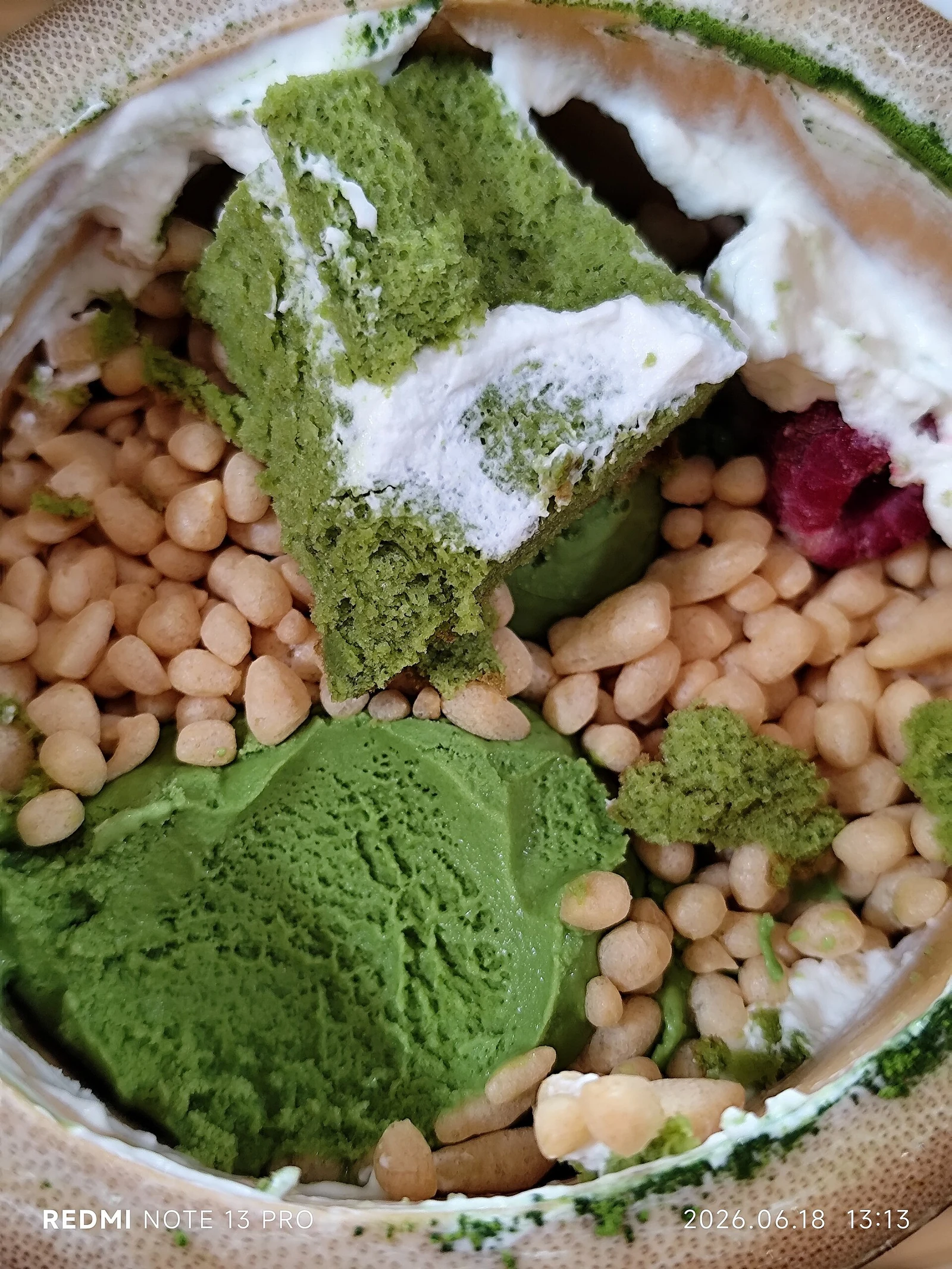
And then there is the tea. Matcha sweets are tempting, but how about paying attention to the flavour and fragrance of the tea itself today? Learning a little about the leaves or how it is brewed could make choosing the next cup even more fun.
On a rainy day, you could spend more time with the art in Hoshokan instead of taking a long riverside walk. There are still outdoor paths within Byodoin, though, so the entire visit is not sheltered from the rain.
File:Phoenix Hall, Byodo-in, November 2016 -01.jpg — Martin Falbisoner. https://commons.wikimedia.org/wiki/File:Phoenix_Hall,_Byodo-in,_November_2016_-01.jpg | CC BY-SA 4.0 https://creativecommons.org/licenses/by-sa/4.0. Resized/re-encoded for web display; no crop or retouch.
File:Uji-Bridge.jpg — 京都東. https://commons.wikimedia.org/wiki/File:Uji-Bridge.jpg | CC BY-SA 4.0 https://creativecommons.org/licenses/by-sa/4.0. Resized/re-encoded for web display; no crop or retouch.
File:Asagiri Bashi&Hikaru Genji statue.jpg — 御影守駒氏. https://commons.wikimedia.org/wiki/File:Asagiri_Bashi%26Hikaru_Genji_statue.jpg | CC BY-SA 4.0 https://creativecommons.org/licenses/by-sa/4.0. Resized/re-encoded for web display; no crop or retouch.
File:Asagiri Bashi.jpg — 御影守駒氏. https://commons.wikimedia.org/wiki/File:Asagiri_Bashi.jpg | CC BY-SA 4.0 https://creativecommons.org/licenses/by-sa/4.0. Resized/re-encoded for web display; no crop or retouch.
File:JP 日本 Japan 京都 Kyoto 宇治城 Uji-shi Uji Myouraku shop Nakamura Tokichi Honten Tea House cafe 綠茶甜品 Matcha cream June 2026 N13P 04.jpg — HAGAT hOMSZE. https://commons.wikimedia.org/wiki/File:JP_%E6%97%A5%E6%9C%AC_Japan_%E4%BA%AC%E9%83%BD_Kyoto_%E5%AE%87%E6%B2%BB%E5%9F%8E_Uji-shi_Uji_Myouraku_shop_Nakamura_Tokichi_Honten_Tea_House_cafe_%E7%B6%A0%E8%8C%B6%E7%94%9C%E5%93%81_Matcha_cream_June_2026_N13P_04.jpg | CC0 http://creativecommons.org/publicdomain/zero/1.0/deed.en. Resized/re-encoded for web display; no crop or retouch.
A beautiful woven cloth, a tiny sweet shaped for the season. Have you ever looked at something like that and wondered, “How do they make it?”
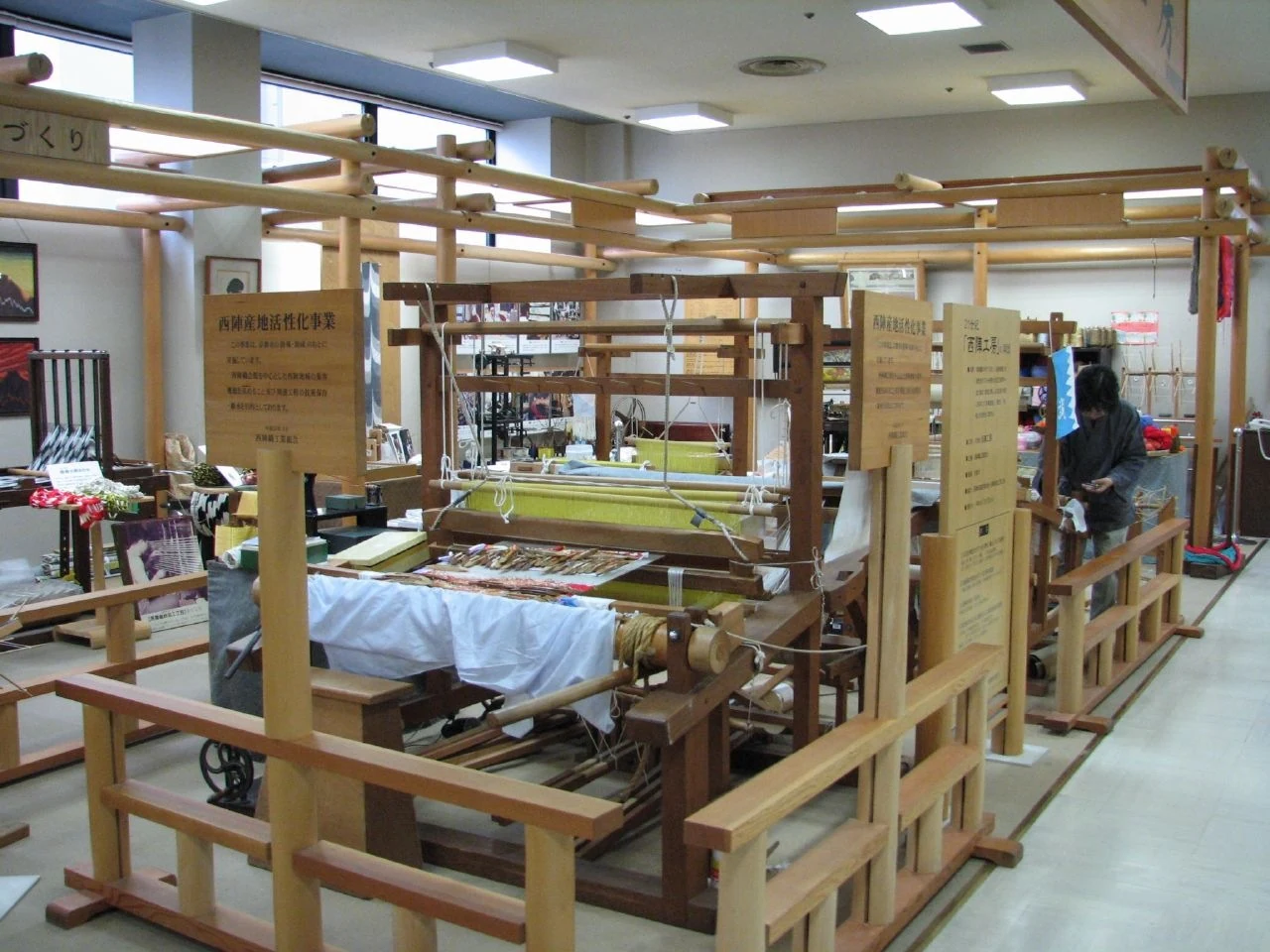
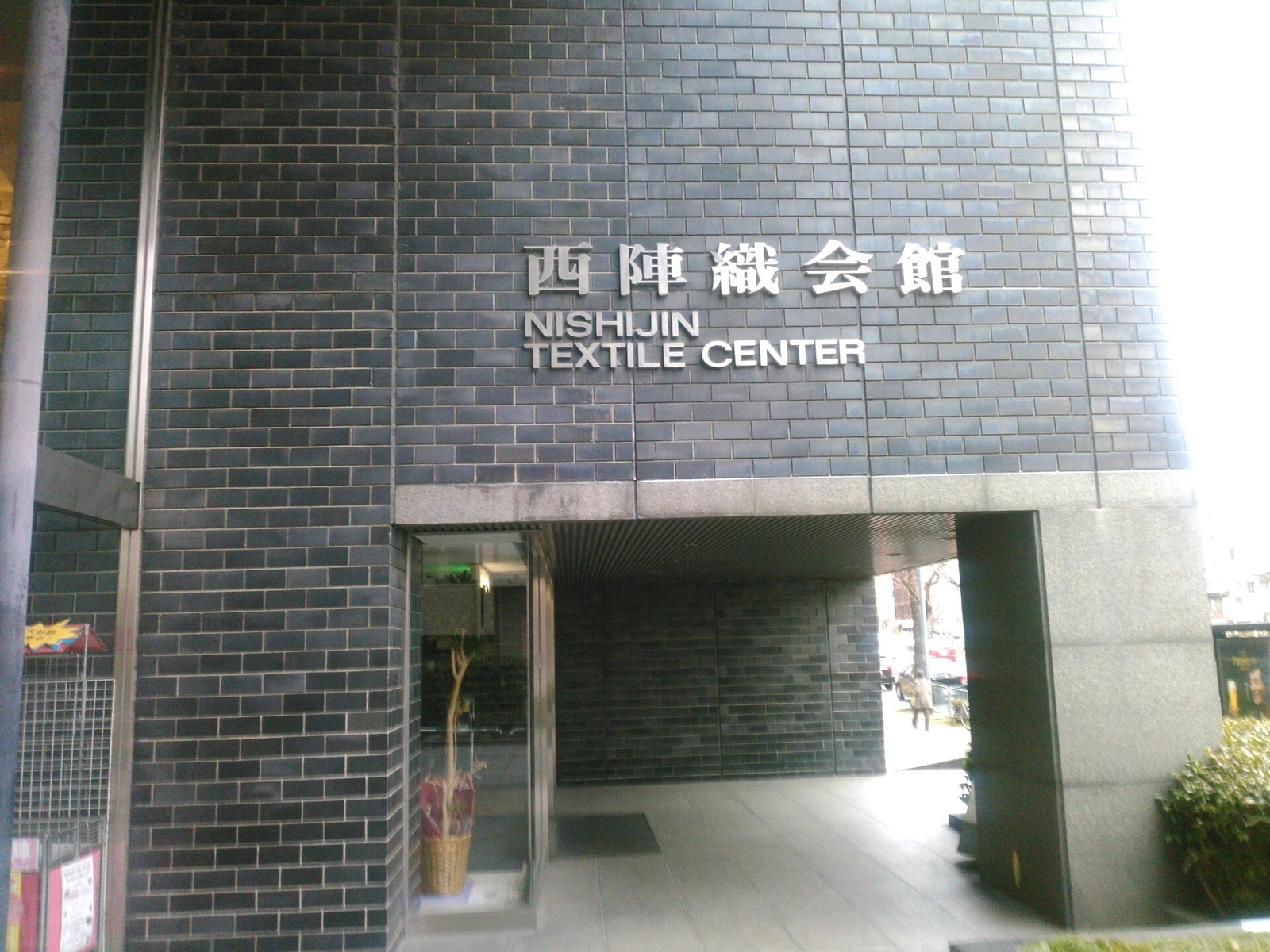
At the Nishijin Textile Center, you can try hand-weaving. Feeling threads gradually become cloth might change the details you notice next time you browse a textile shop.
A Kyoto sweet-making experience lets you explore how shapes and colours express the seasons. What would you make? I might find mine too pretty to eat… but enjoying it with tea is part of the fun, too.
There are also experiences with Kyo-yuzen dyeing and incense. Choose one that catches your interest for a change from walking around town. Some require reservations, and some finished pieces are collected or delivered later, so check when you choose.
A little Kyoto language with MIRAI
“Ookini” is an expression of thanks, and “okoshiyasu” is used to welcome someone.
If you hear them in a shop, listen a little to the exchange around you. Of course, people in Kyoto do not all speak in the same way. Words vary with the region, generation and situation, and that variety is part of the city’s character, too.
A glimpse of Nishijin weaving
Two documentary photographs of the textile centre; workshop availability and interiors may have changed.
Hand looms displayed at the Nishijin Textile Center in 2005.Photo date: 2005-08-14 · POHAN CHEN · CC BY 2.0The entrance of the Nishijin Textile Center in 2017.Photo date: 2017-03-18 · Lundariokn45 · CC BY-SA 4.0
Photo & map credits
File:Treadle looms, Nishijin Textile Center, Kyoto - Aug 14, 2005.jpg — POHAN CHEN. https://commons.wikimedia.org/wiki/File:Treadle_looms,_Nishijin_Textile_Center,_Kyoto_-_Aug_14,_2005.jpg | CC BY 2.0 https://creativecommons.org/licenses/by/2.0. Resized/re-encoded for web display; no crop or retouch.
File:西陣織会館 入口.jpg — Lundariokn45. https://commons.wikimedia.org/wiki/File:%E8%A5%BF%E9%99%A3%E7%B9%94%E4%BC%9A%E9%A4%A8_%E5%85%A5%E5%8F%A3.jpg | CC BY-SA 4.0 https://creativecommons.org/licenses/by-sa/4.0. Resized/re-encoded for web display; no crop or retouch.
After all that walking, it is probably time to think about a meal, isn’t it?
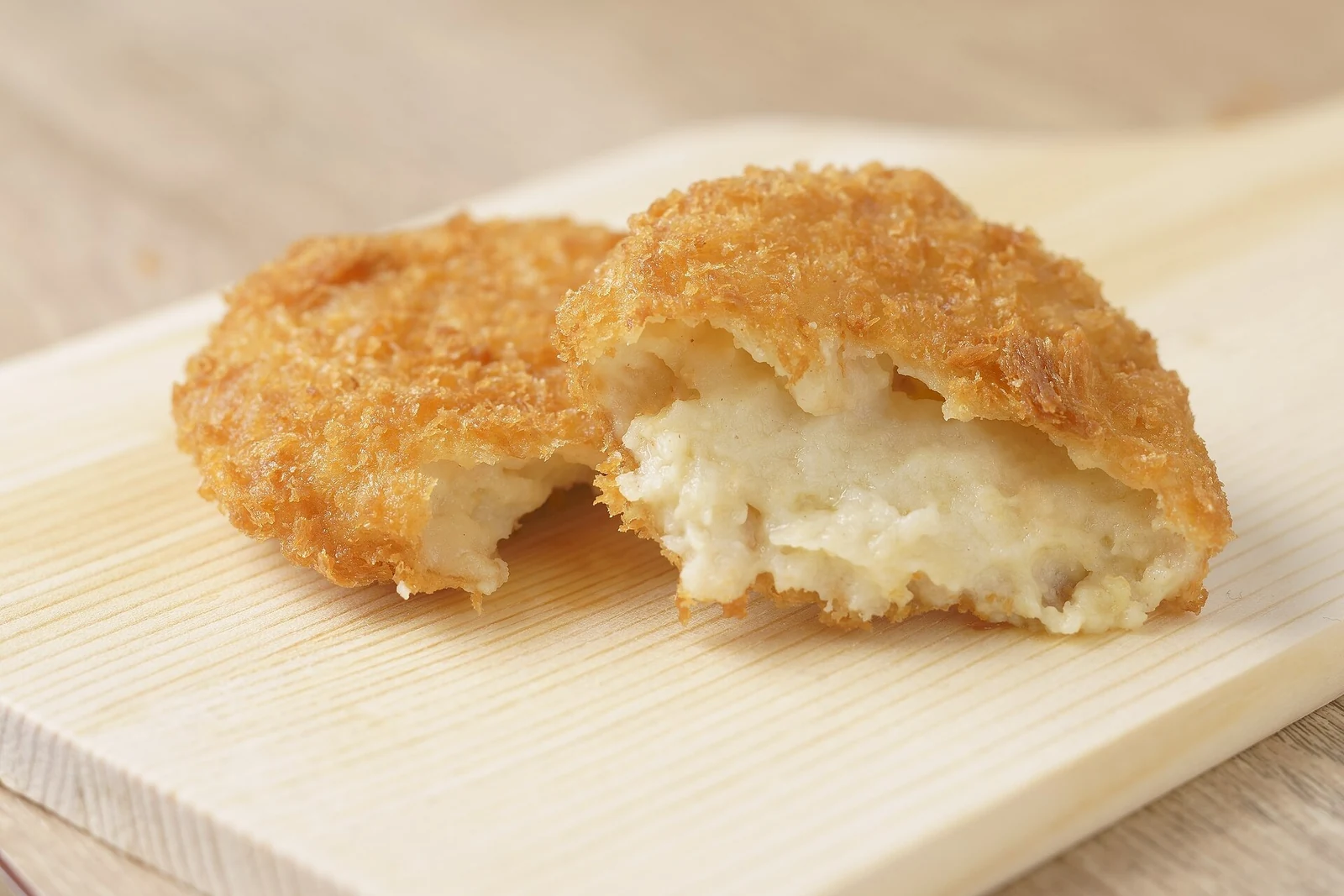
Yudofu, yuba and obanzai are a few things to look for. Yuba is the delicate skin lifted from the surface of heated soy milk. Fresh and dried yuba have different textures and ways to enjoy them.
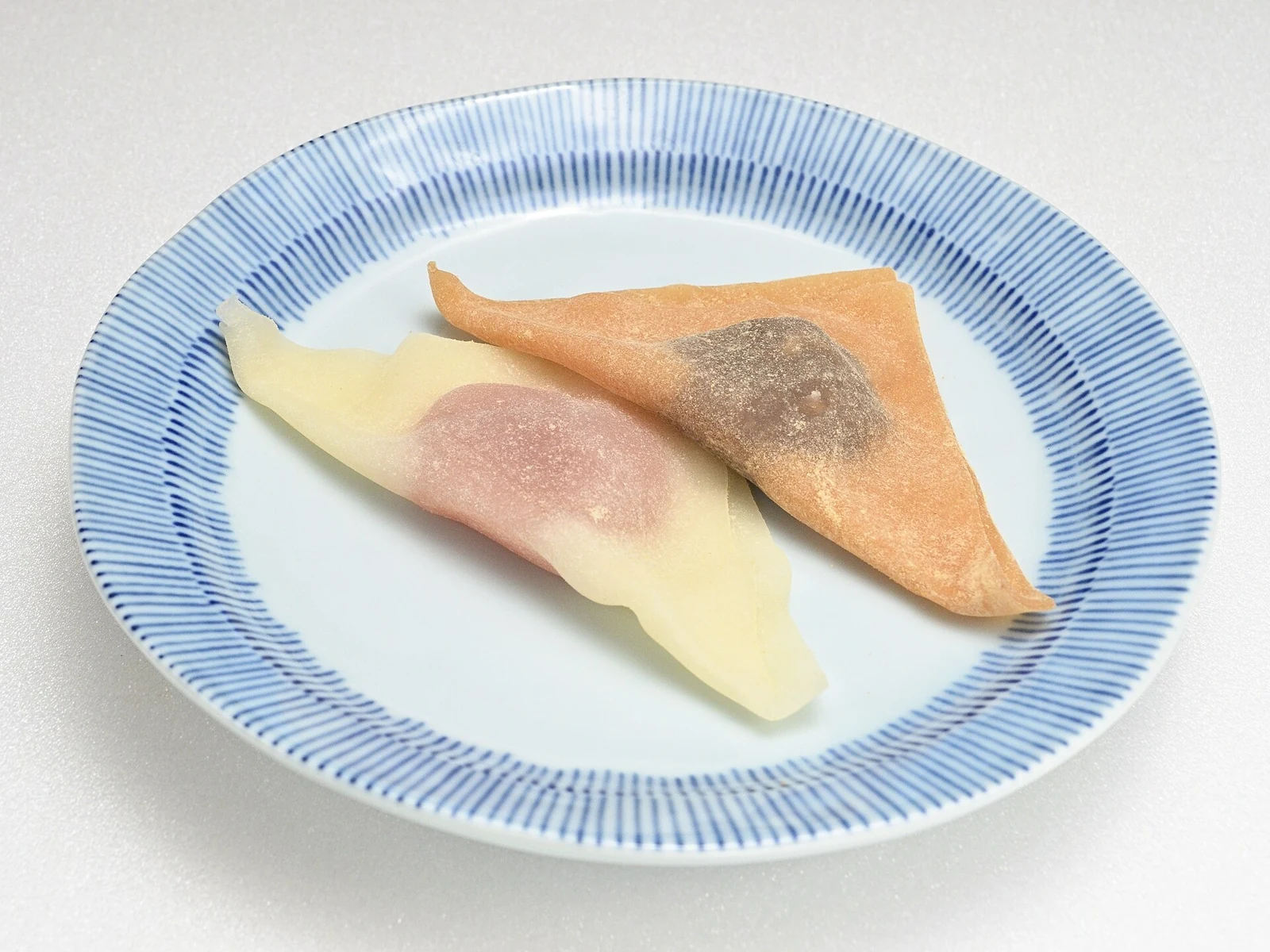
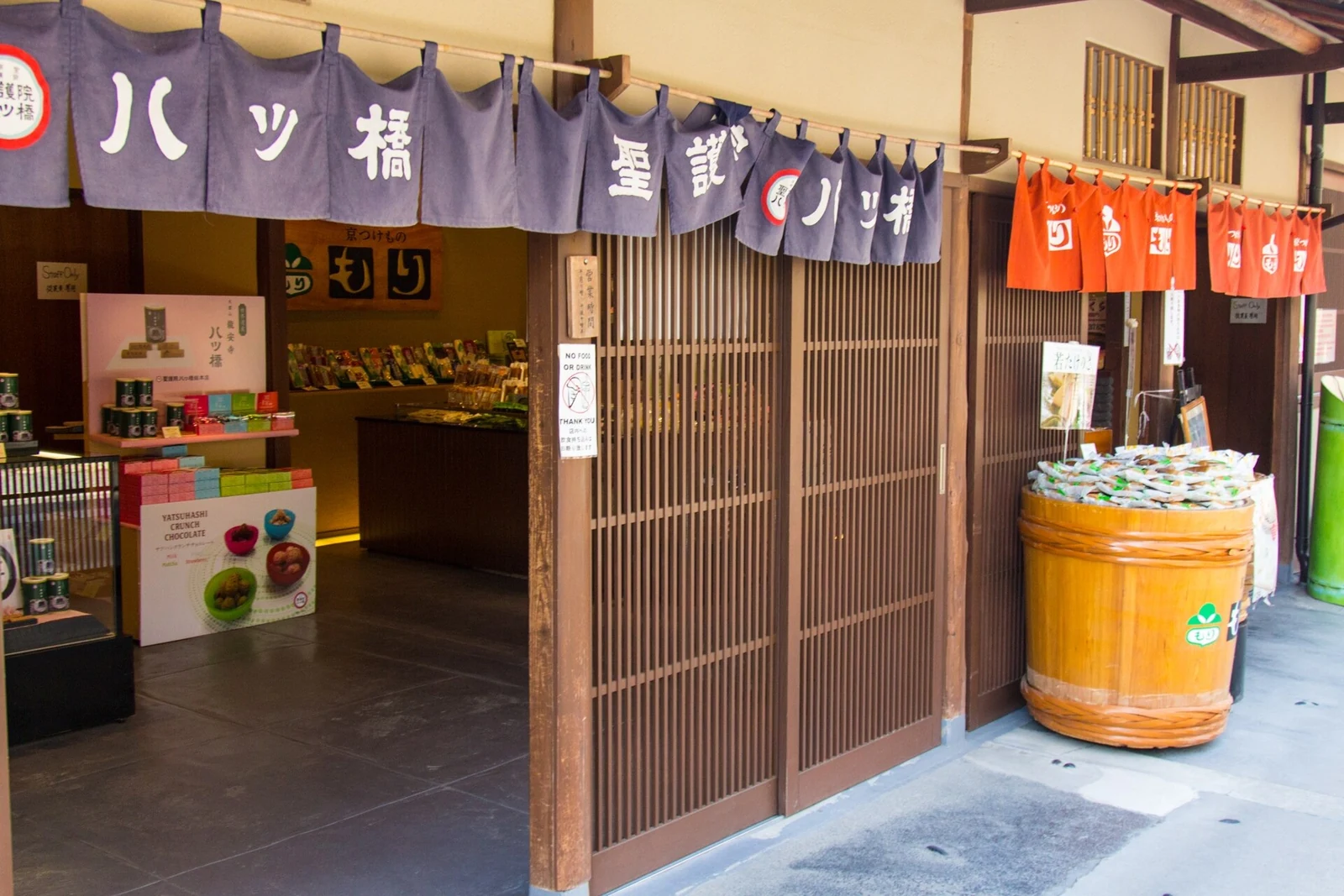
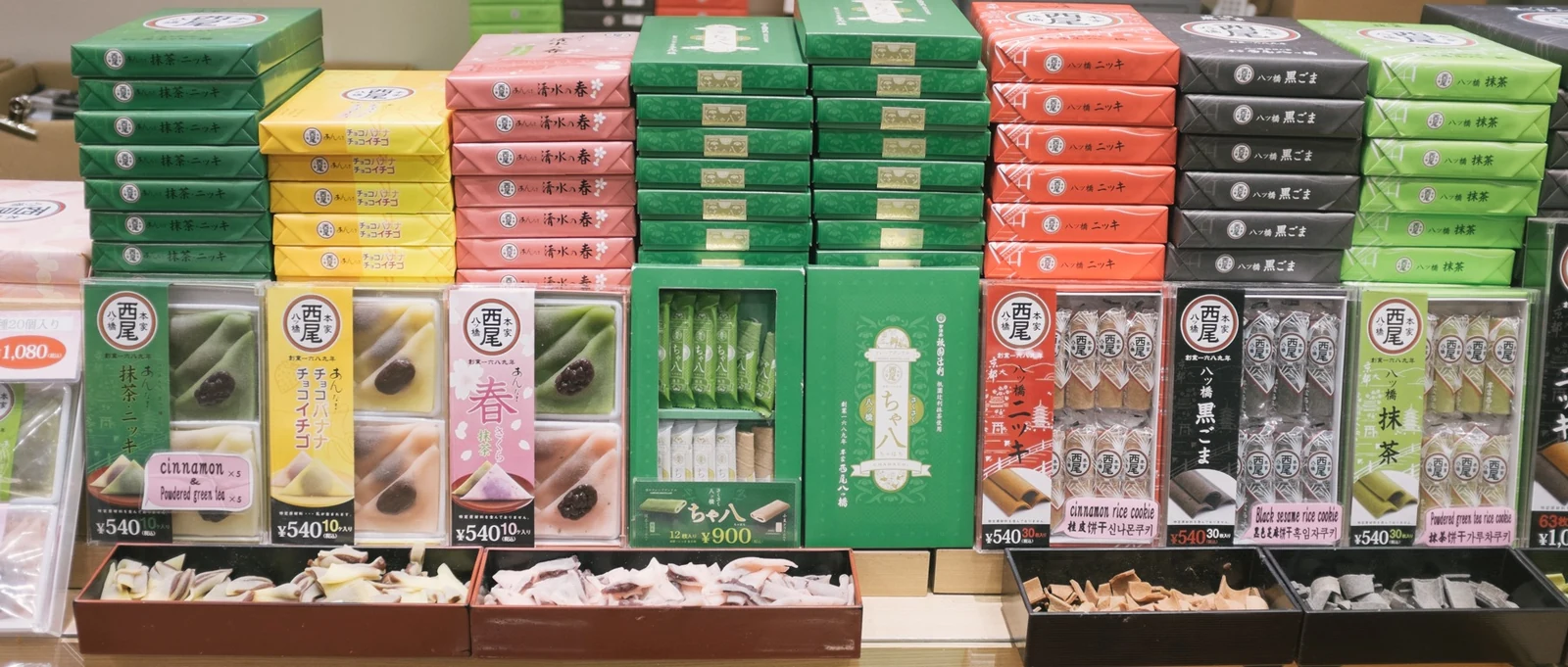
For something sweet, there are Kyoto confections, yatsuhashi and sweets made with Uji tea. Comparing crisp baked yatsuhashi with soft nama-yatsuhashi sounds like a rather enjoyable decision.
When the season is right, dining on a Kamogawa noryo-yuka terrace is another possibility. As well as choosing what to eat, you can think about the view you would like to enjoy with it.
If something catches your eye at Nishiki Market, follow the shop’s directions about where to eat. Stop and enjoy it in the designated place rather than eating as you walk.
Kyoto flavours & sweets
Soft nama-yatsuhashi sweets on a small plate.Photo date: 2025-05-26 · Ocdp · CC0A yatsuhashi shopfront in Kyoto.Photo date: 2018-03-13 · Carla Abanes from Malolos City, Philippines · CC BY-SA 2.0Boxes of yatsuhashi and other sweets on display.Photo date: 2017-03-25 · bongs Lee from Seoul, South Korea · CC BY 2.0Matcha sweets served in bamboo-shaped containers in Uji.Photo date: 2026-06-18 · HAGAT hOMSZE · CC0A closer look at a matcha dessert in Uji.Photo date: 2026-06-18 · HAGAT hOMSZE · CC0Yuba in a different form: a Hanayori Kiyoe croquette.Photo date: 15 January 2019, 11:59:24 · 花よりキヨエ · CC BY 4.0
Photo & map credits
File:Yatsuhashi 002.jpg — Ocdp. https://commons.wikimedia.org/wiki/File:Yatsuhashi_002.jpg | CC0 http://creativecommons.org/publicdomain/zero/1.0/deed.en. Resized/re-encoded for web display; no crop or retouch.
File:Yatsuhashi (40272388474).jpg — Carla Abanes from Malolos City, Philippines. https://commons.wikimedia.org/wiki/File:Yatsuhashi_(40272388474).jpg | CC BY-SA 2.0 https://creativecommons.org/licenses/by-sa/2.0. Resized/re-encoded for web display; no crop or retouch.
File:八ツ橋 各種 (33636394606).jpg — bongs Lee from Seoul, South Korea. https://commons.wikimedia.org/wiki/File:%E5%85%AB%E3%83%84%E6%A9%8B_%E5%90%84%E7%A8%AE_(33636394606).jpg | CC BY 2.0 https://creativecommons.org/licenses/by/2.0. Resized/re-encoded for web display; no crop or retouch.
File:JP 日本 Japan 京都 Kyoto 宇治城 Uji-shi Uji Myouraku shop Nakamura Tokichi Honten Tea House cafe 綠茶甜品 Matcha cream June 2026 N13P 01.jpg — HAGAT hOMSZE. https://commons.wikimedia.org/wiki/File:JP_%E6%97%A5%E6%9C%AC_Japan_%E4%BA%AC%E9%83%BD_Kyoto_%E5%AE%87%E6%B2%BB%E5%9F%8E_Uji-shi_Uji_Myouraku_shop_Nakamura_Tokichi_Honten_Tea_House_cafe_%E7%B6%A0%E8%8C%B6%E7%94%9C%E5%93%81_Matcha_cream_June_2026_N13P_01.jpg | CC0 http://creativecommons.org/publicdomain/zero/1.0/deed.en. Resized/re-encoded for web display; no crop or retouch.
File:JP 日本 Japan 京都 Kyoto 宇治城 Uji-shi Uji Myouraku shop Nakamura Tokichi Honten Tea House cafe 綠茶甜品 Matcha cream June 2026 N13P 06.jpg — HAGAT hOMSZE. https://commons.wikimedia.org/wiki/File:JP_%E6%97%A5%E6%9C%AC_Japan_%E4%BA%AC%E9%83%BD_Kyoto_%E5%AE%87%E6%B2%BB%E5%9F%8E_Uji-shi_Uji_Myouraku_shop_Nakamura_Tokichi_Honten_Tea_House_cafe_%E7%B6%A0%E8%8C%B6%E7%94%9C%E5%93%81_Matcha_cream_June_2026_N13P_06.jpg | CC0 http://creativecommons.org/publicdomain/zero/1.0/deed.en. Resized/re-encoded for web display; no crop or retouch.
File:Hanayori Kiyoe Yuba Croquette.jpg — 花よりキヨエ. https://commons.wikimedia.org/wiki/File:Hanayori_Kiyoe_Yuba_Croquette.jpg | CC BY 4.0 https://creativecommons.org/licenses/by/4.0. Resized/re-encoded for web display; no crop or retouch.
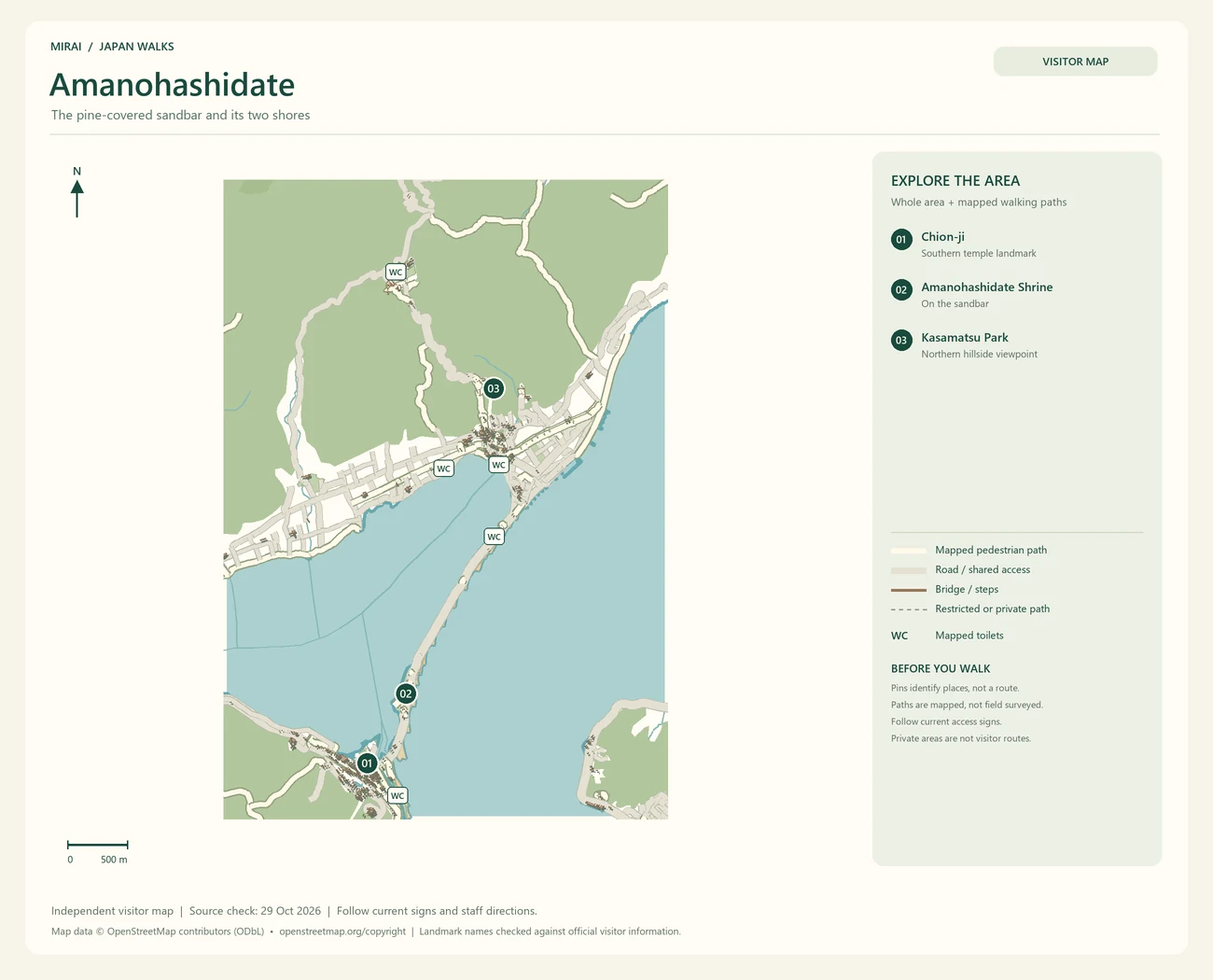
Amanohashidate, Ine and Miyama: another side of Kyoto
We have been exploring streets and temples, but Kyoto Prefecture also reaches out to the sea and rural landscapes.
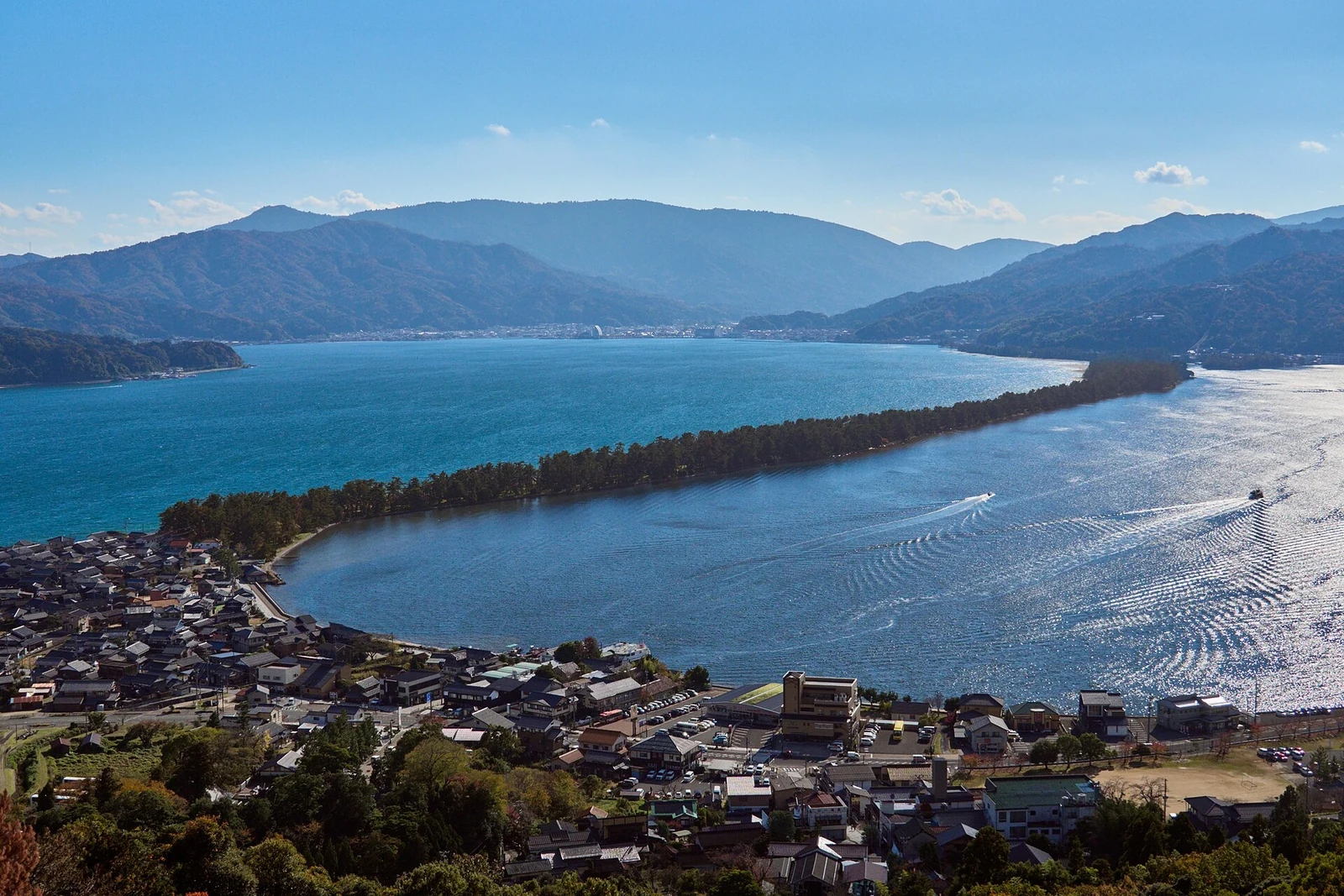
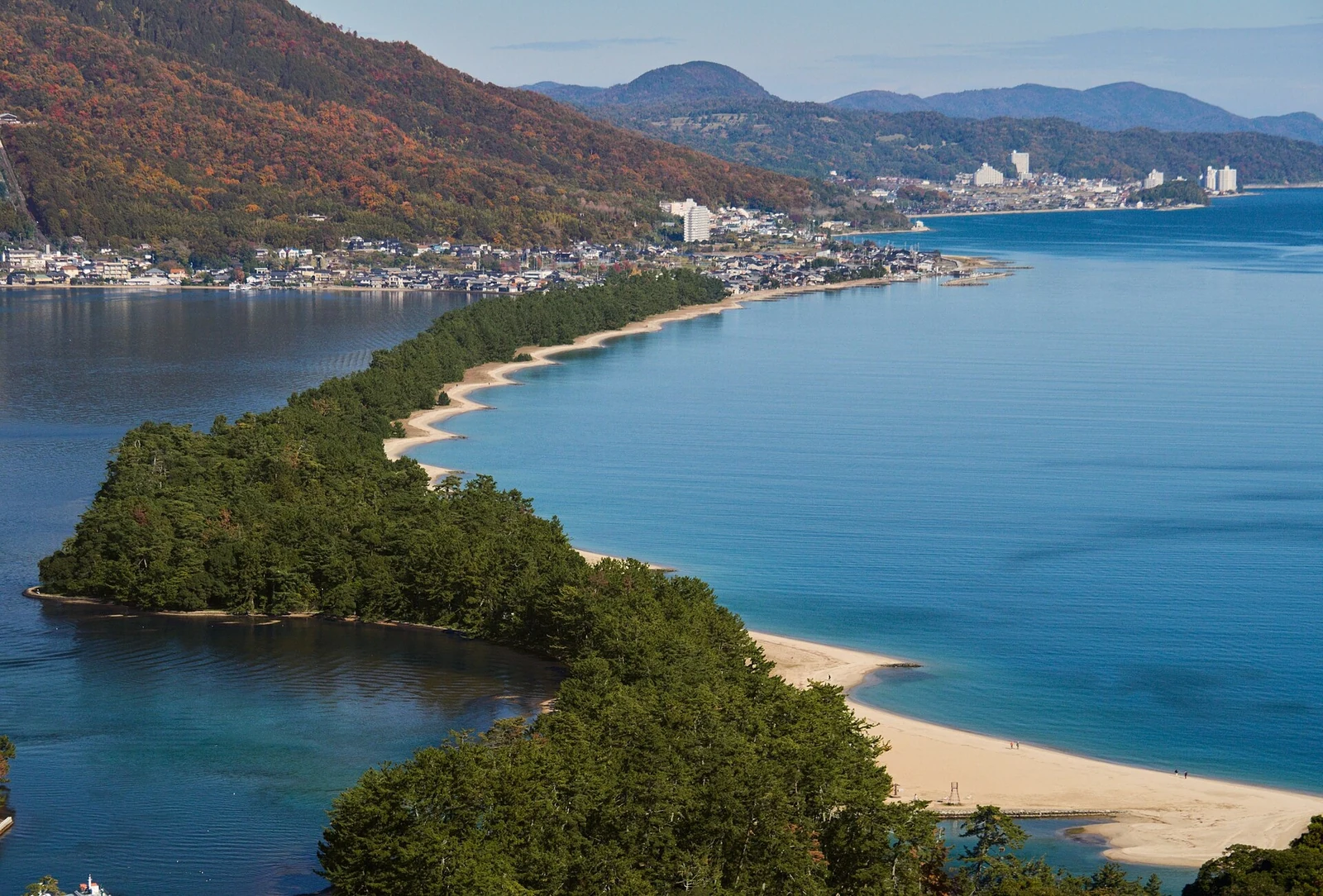
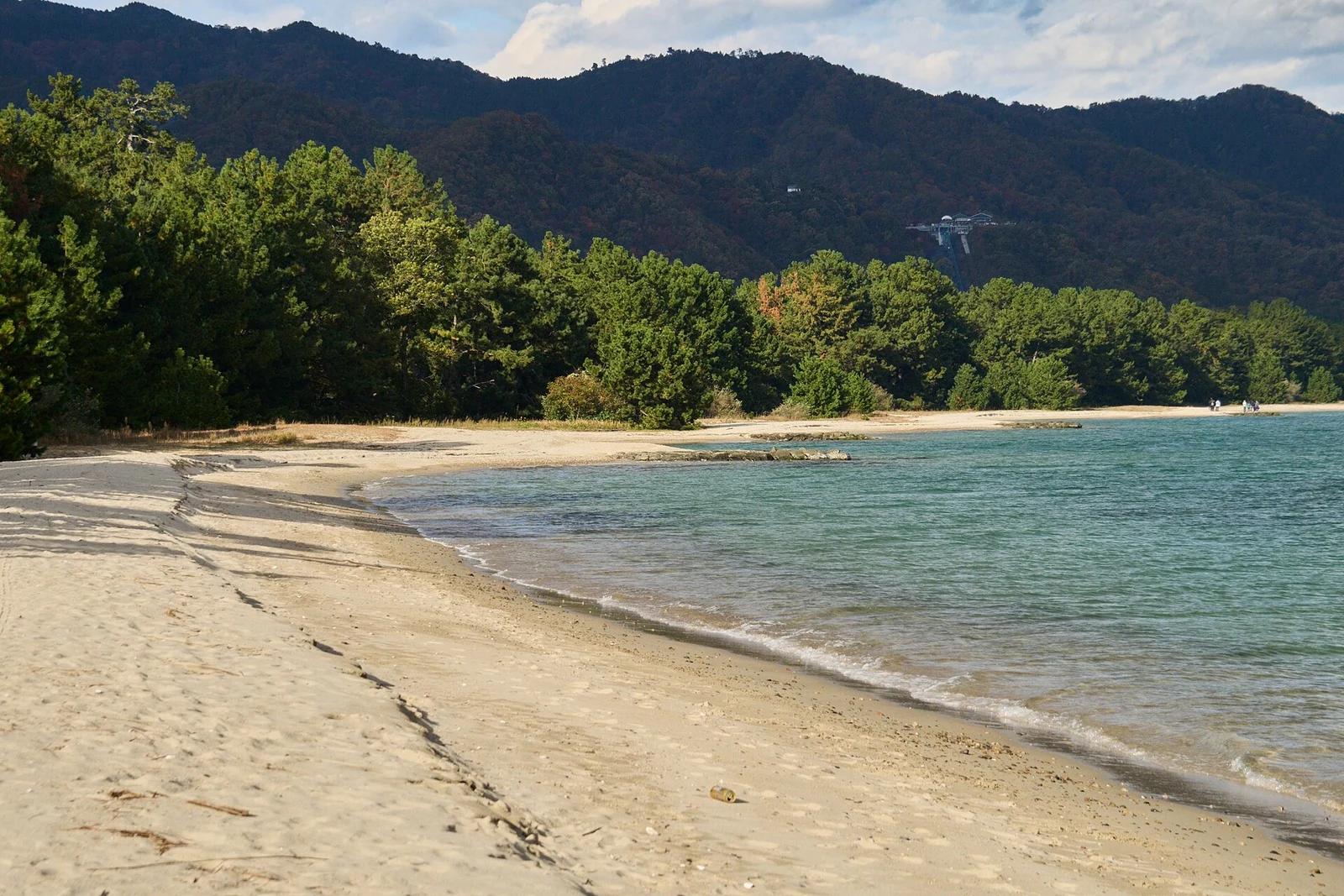
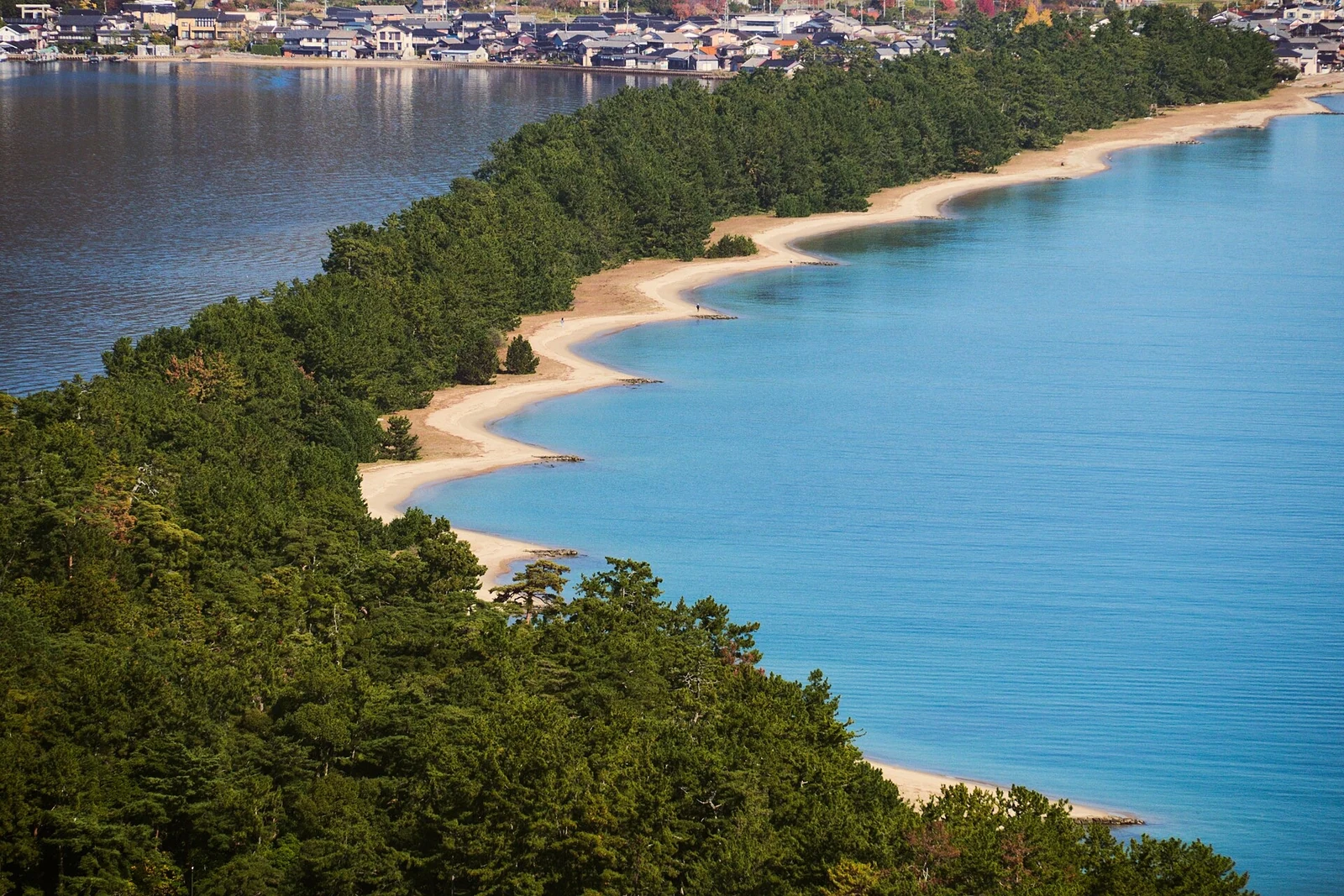
At Amanohashidate, a pine-covered sandbar stretches across the water. Would you like to see its whole shape from a viewpoint, or walk among the pines? The same place offers rather different ways to spend your time.
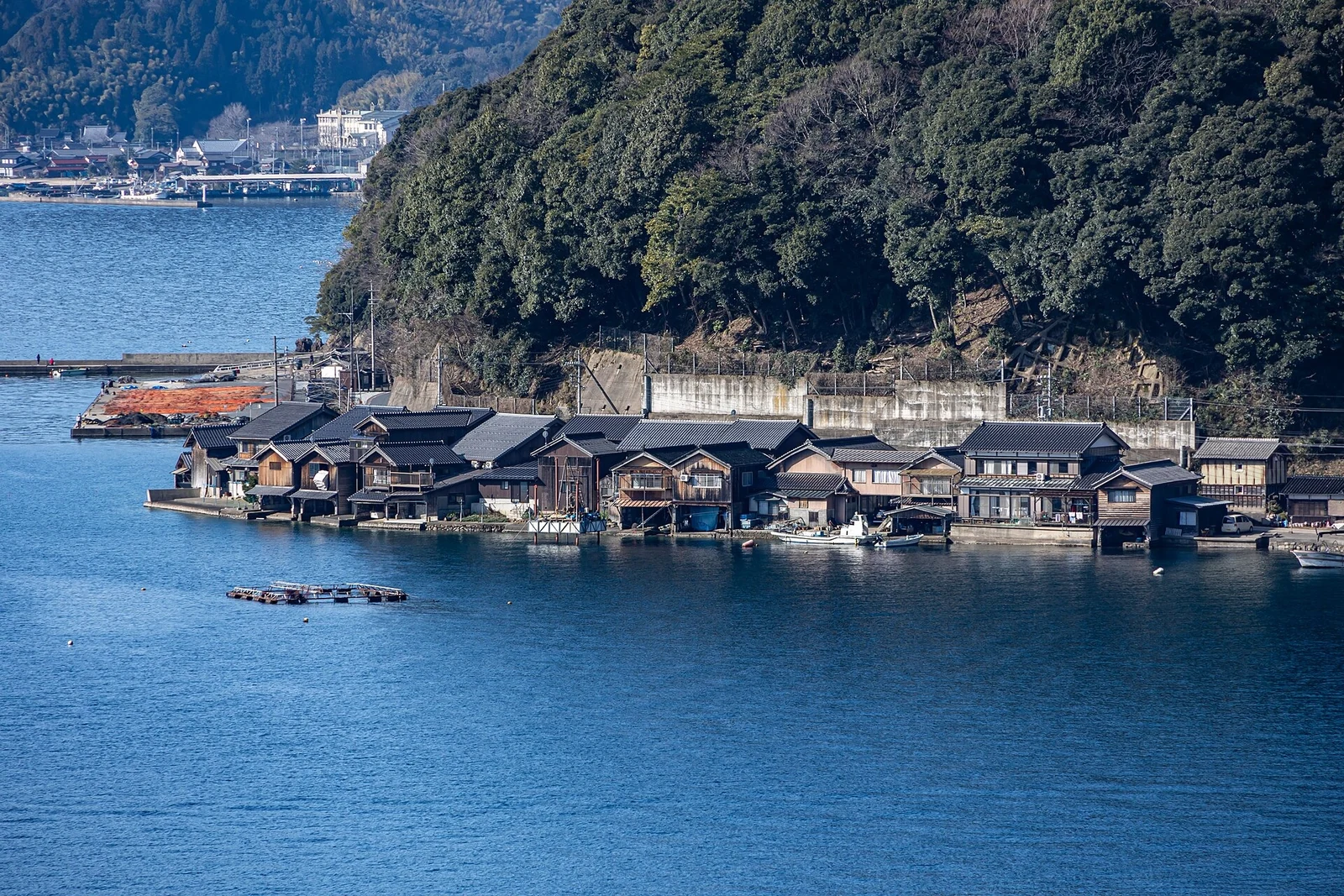
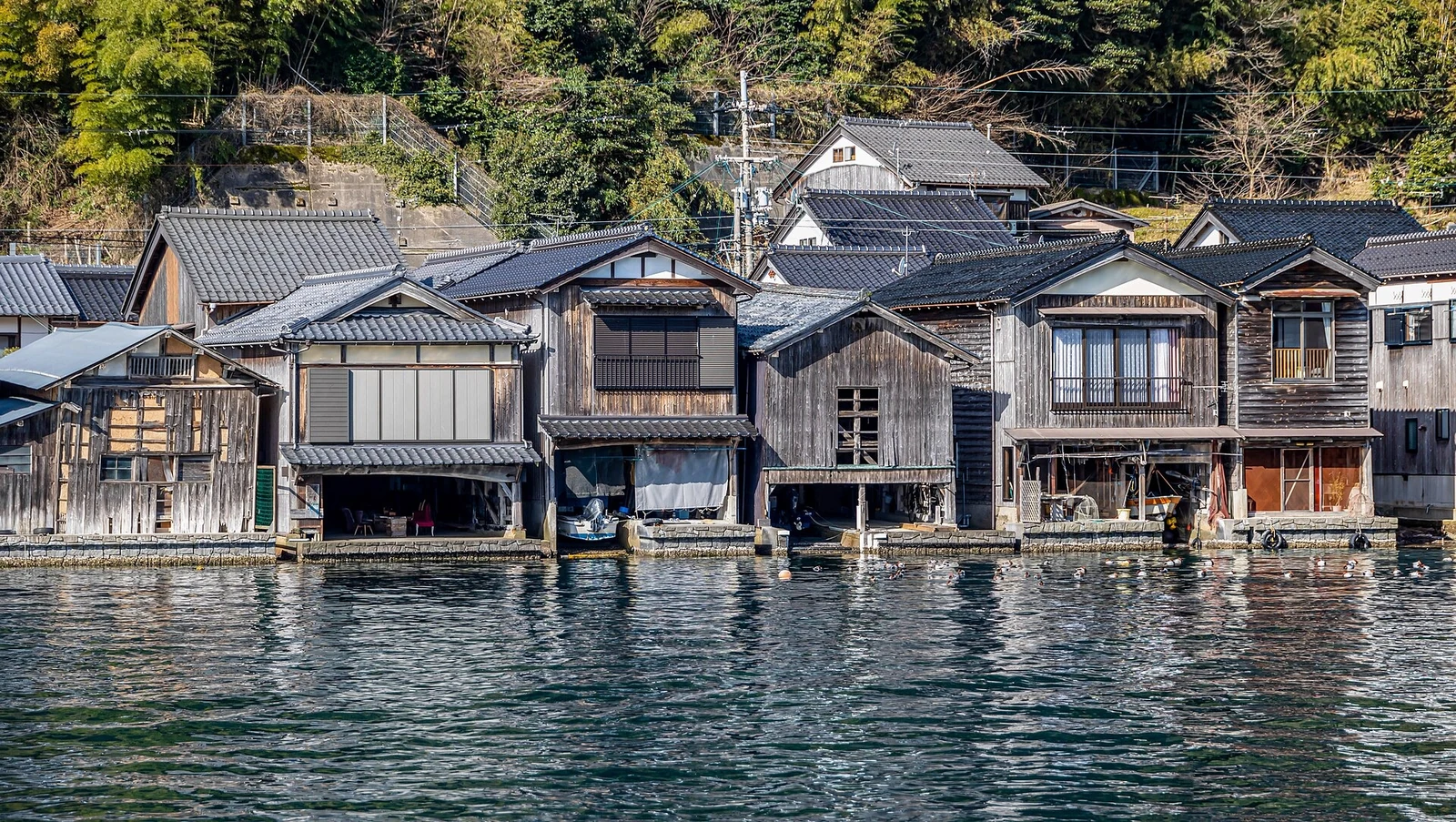
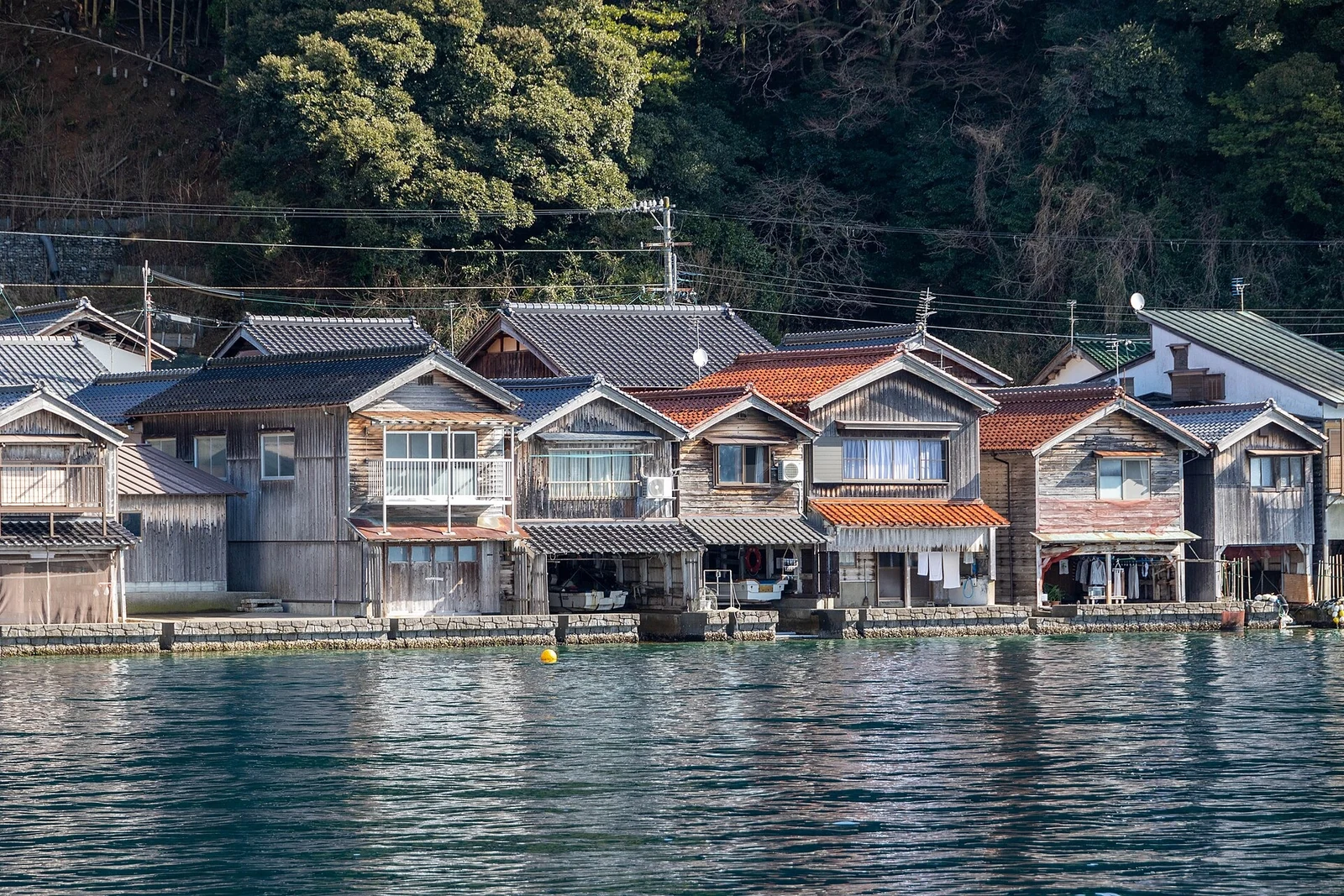
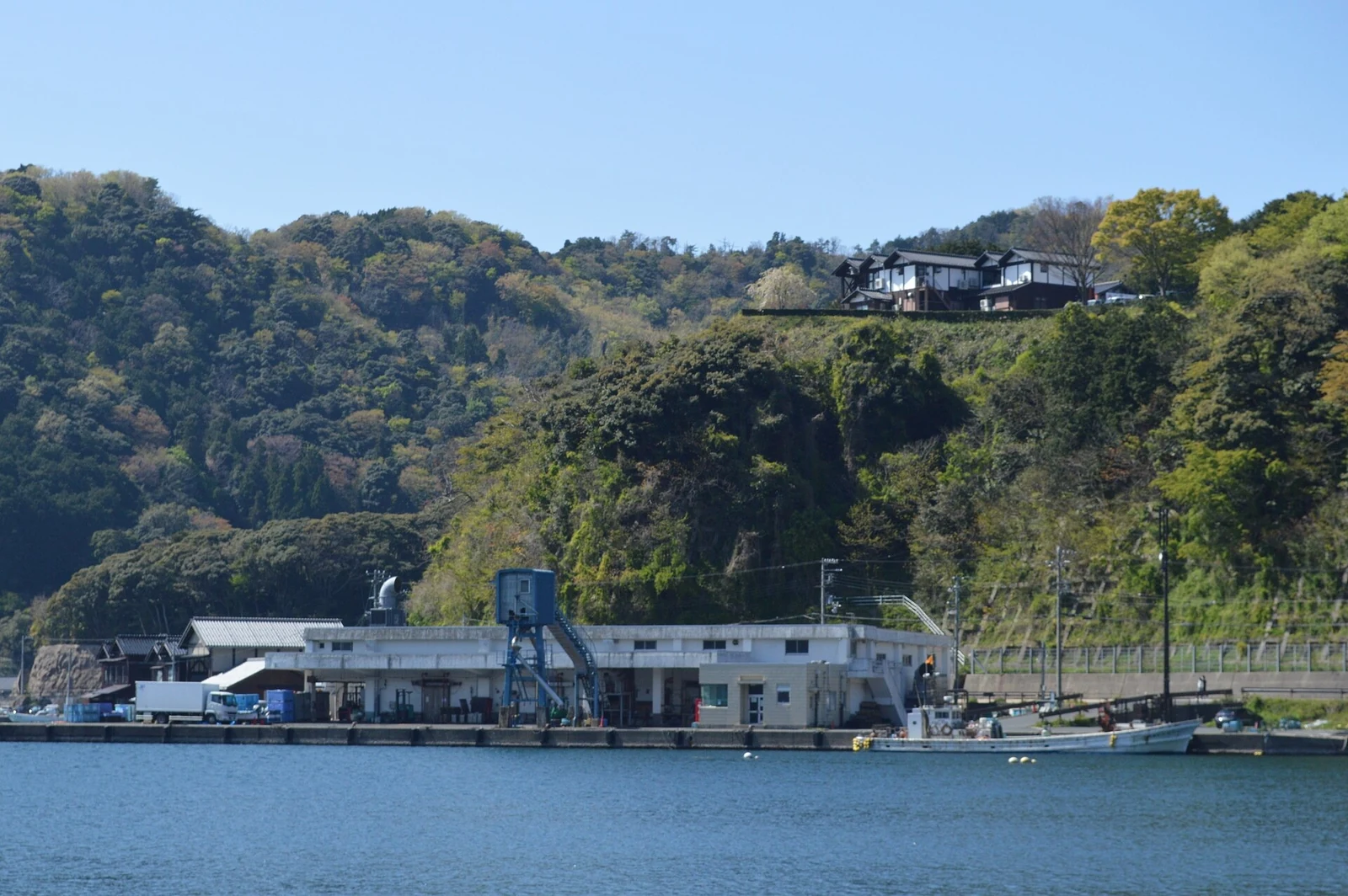
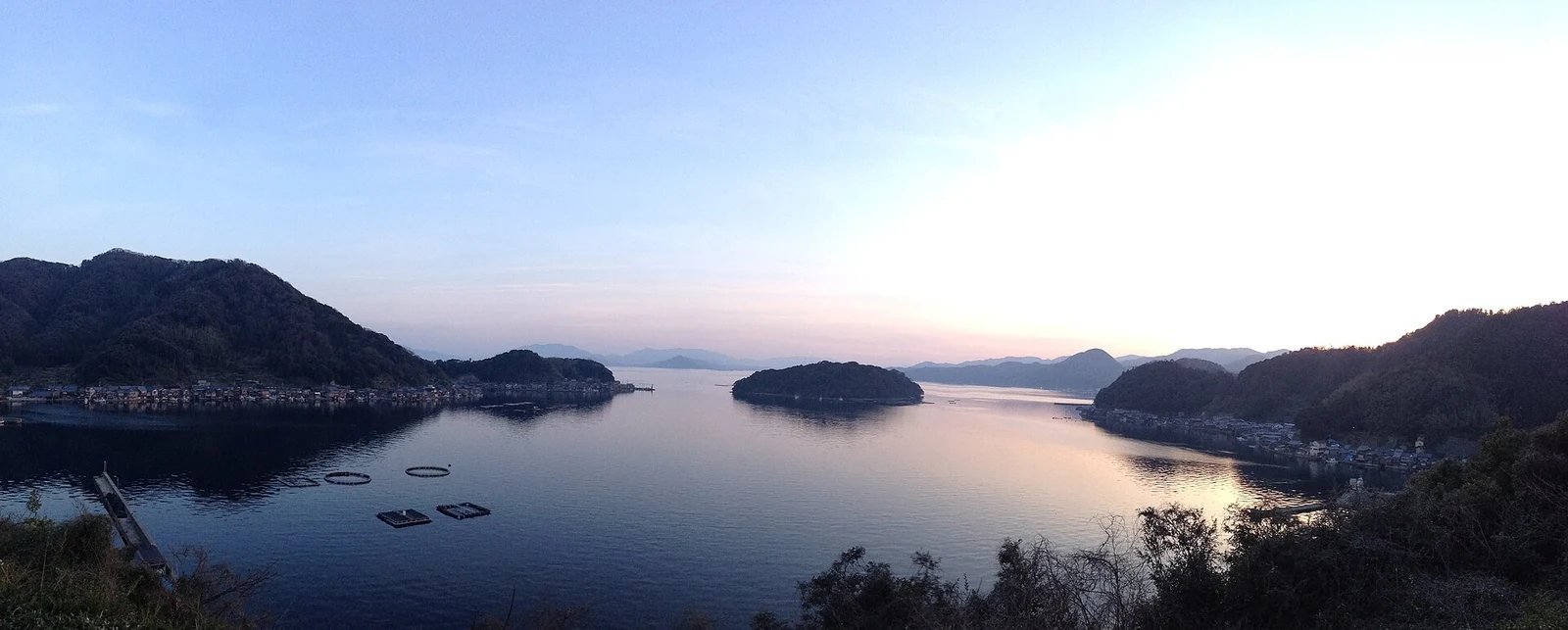
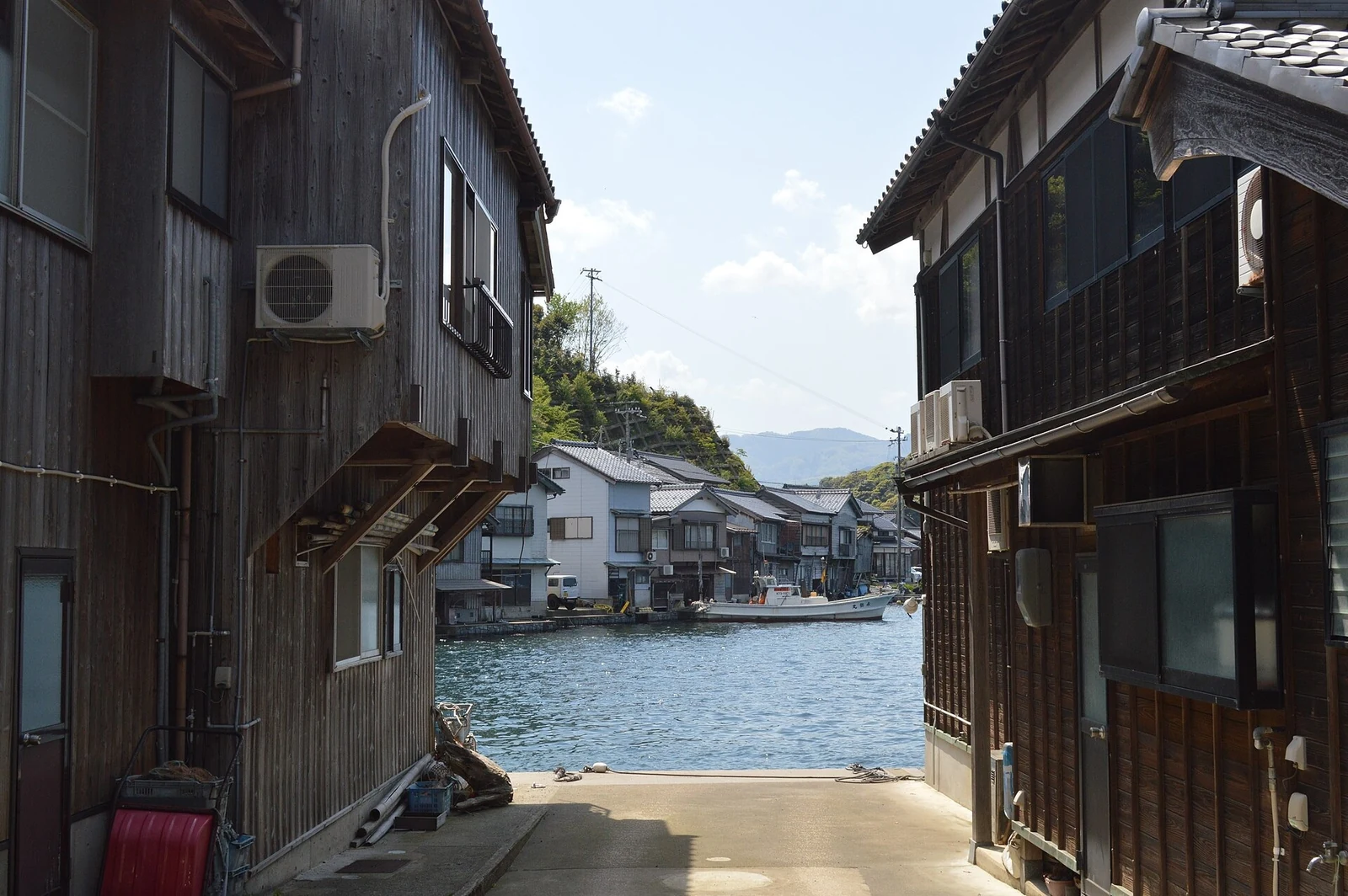
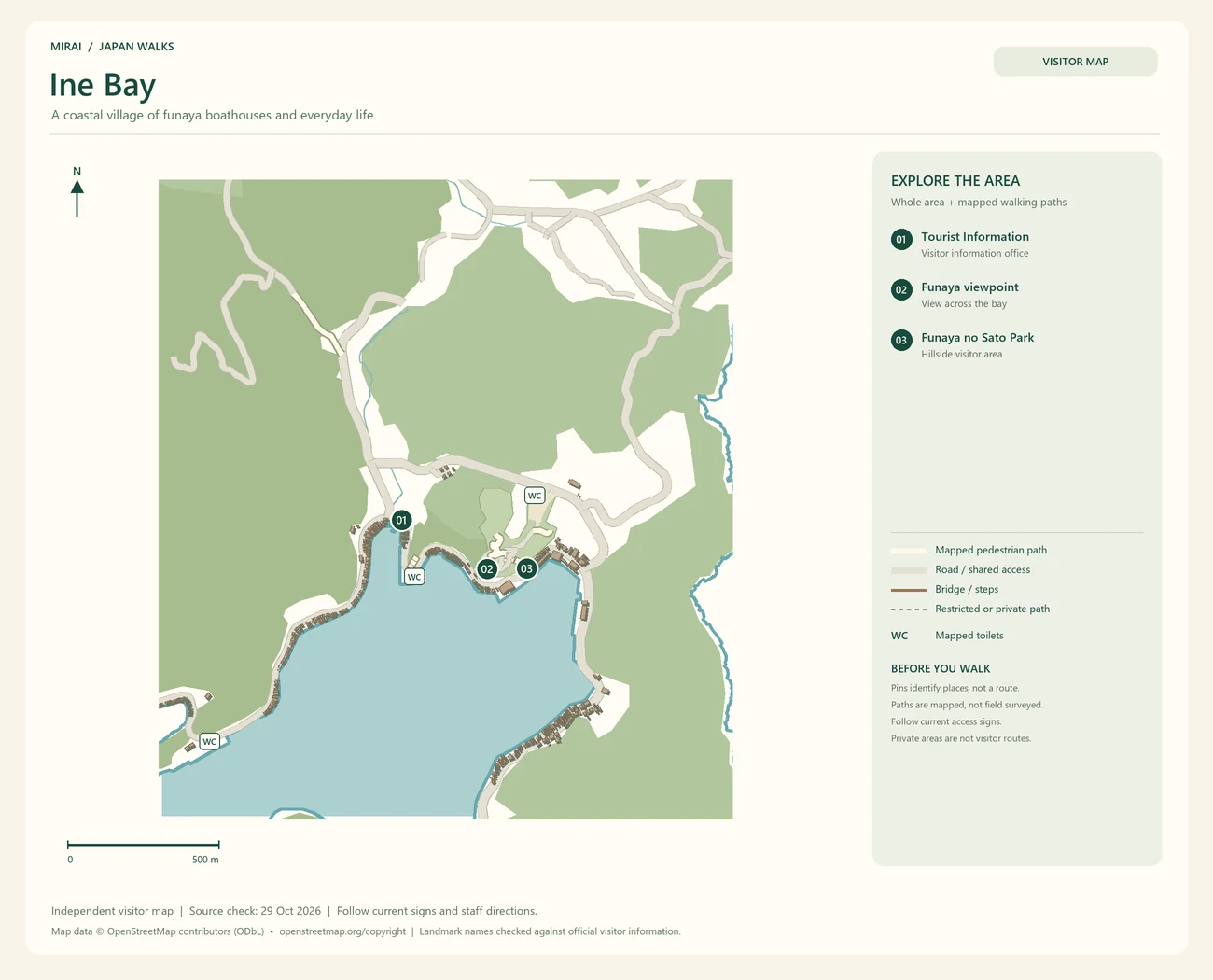
In Ine, funaya boathouses line the shore. Notice how closely the buildings meet the sea, and you might want to know a little more about the lives shaped by this bay.
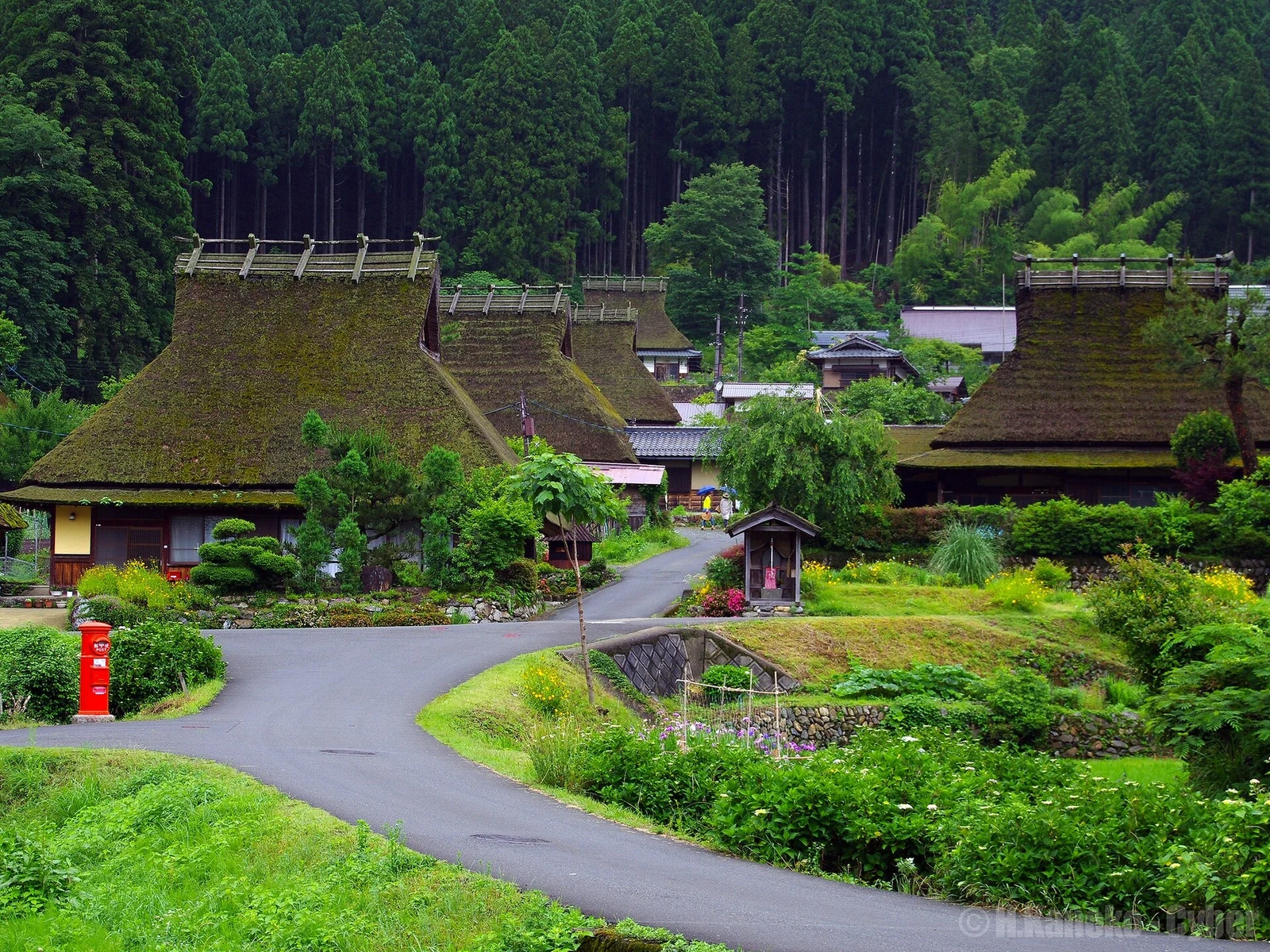
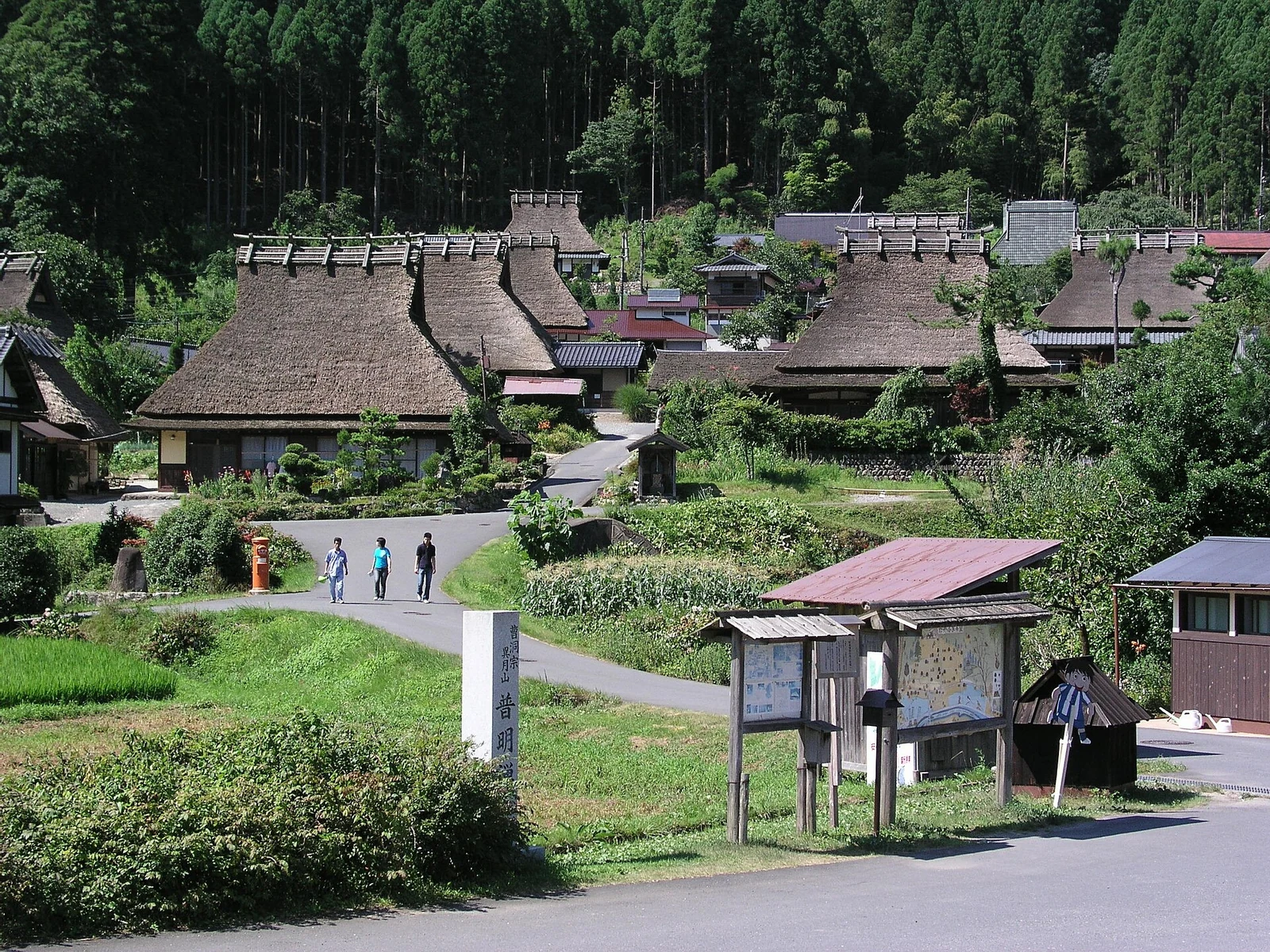
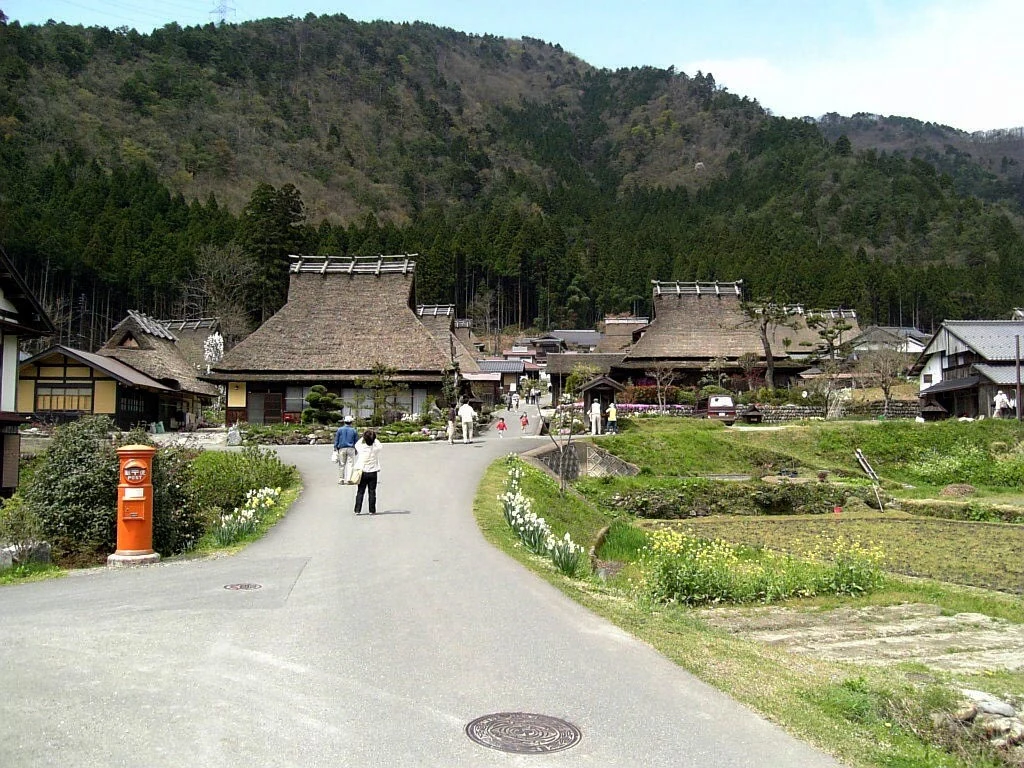
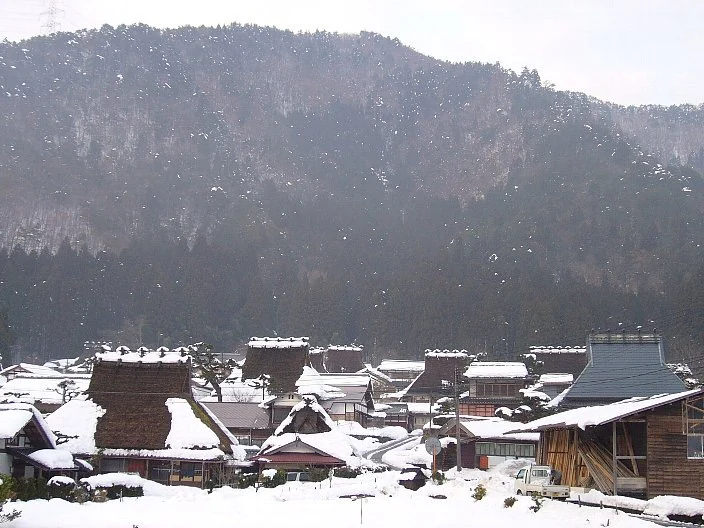
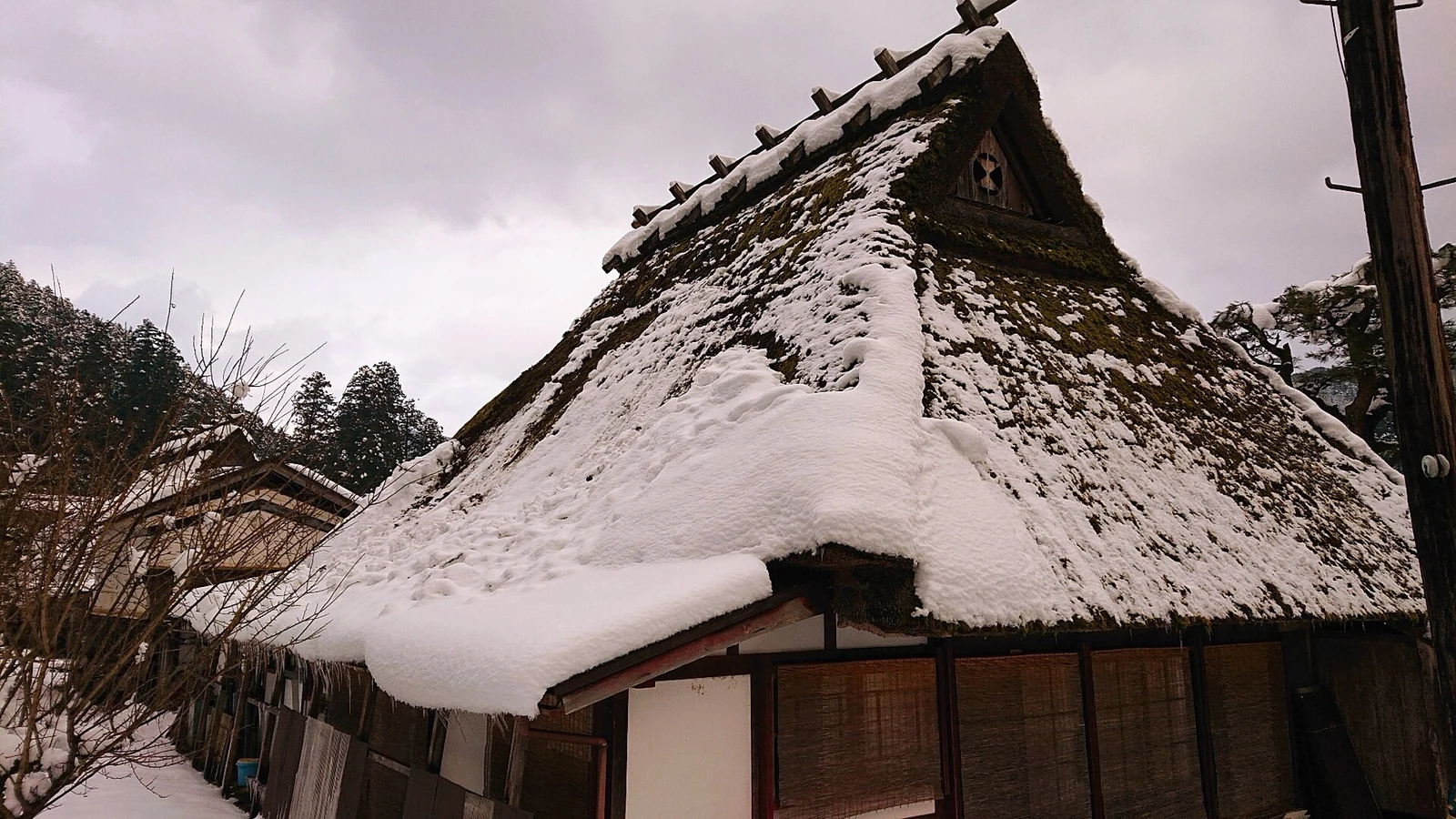
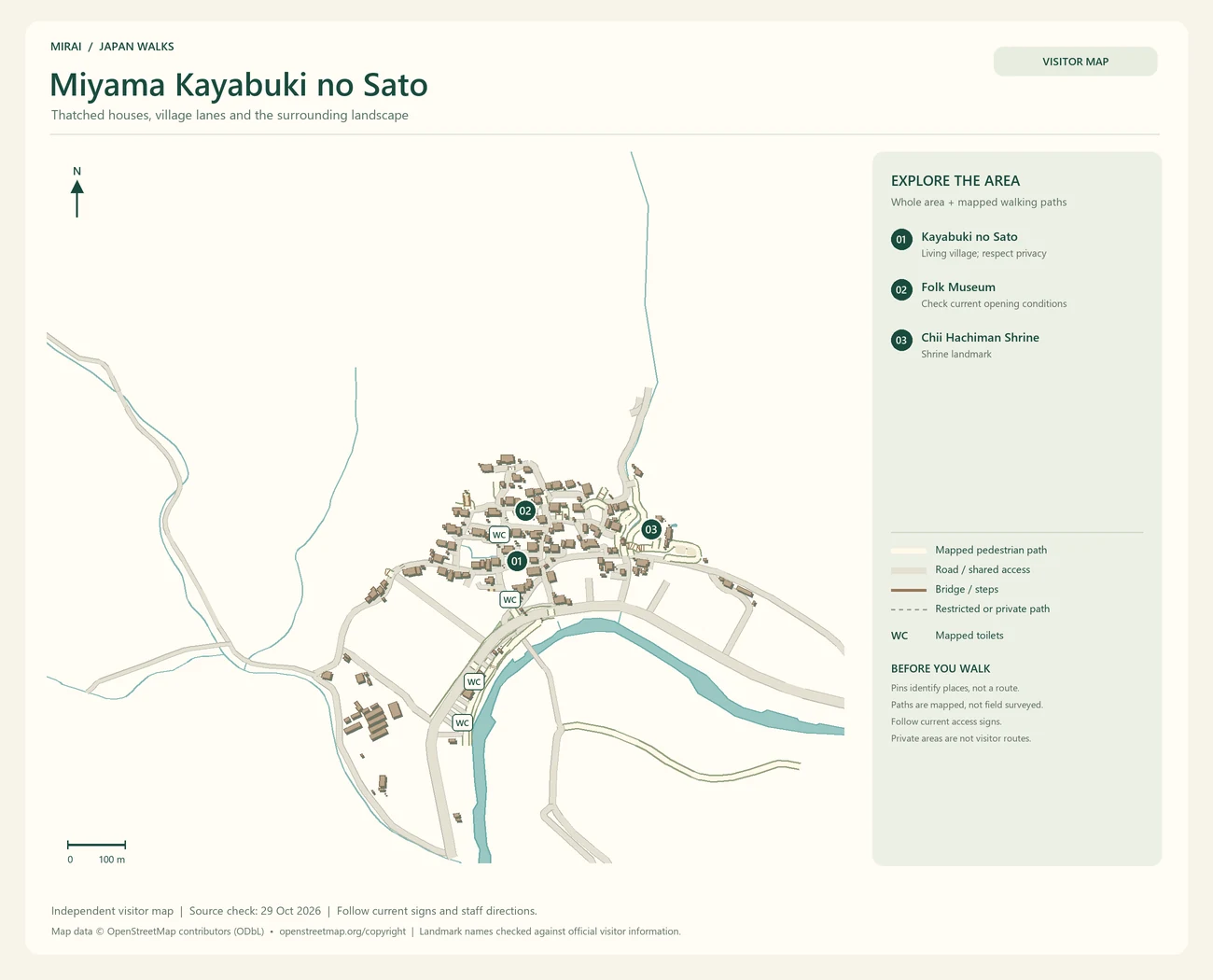
At Miyama’s Kayabuki no Sato, thatched houses form a very different landscape. Both Ine and Miyama are places where people live. Check which buildings and grounds are open to visitors before going inside.
These areas are not quick additions between the sights of Kyoto city. If a landscape catches your heart, give it a separate day and make it the centre of that part of your trip.
File:Amanohashidate - Amanohashidate7577.jpg — lumoplank. https://commons.wikimedia.org/wiki/File:Amanohashidate_-_Amanohashidate7577.jpg | CC0 http://creativecommons.org/publicdomain/zero/1.0/deed.en. Resized/re-encoded for web display; no crop or retouch.
File:Amanohashidate - Amanohashidate7584.jpg — lumoplank. https://commons.wikimedia.org/wiki/File:Amanohashidate_-_Amanohashidate7584.jpg | CC0 http://creativecommons.org/publicdomain/zero/1.0/deed.en. Resized/re-encoded for web display; no crop or retouch.
File:Amanohashidate - Amanohashidate7586.jpg — lumoplank. https://commons.wikimedia.org/wiki/File:Amanohashidate_-_Amanohashidate7586.jpg | CC0 http://creativecommons.org/publicdomain/zero/1.0/deed.en. Resized/re-encoded for web display; no crop or retouch.
File:Amanohashidate - Amanohashidate7592.jpg — lumoplank. https://commons.wikimedia.org/wiki/File:Amanohashidate_-_Amanohashidate7592.jpg | CC0 http://creativecommons.org/publicdomain/zero/1.0/deed.en. Resized/re-encoded for web display; no crop or retouch.
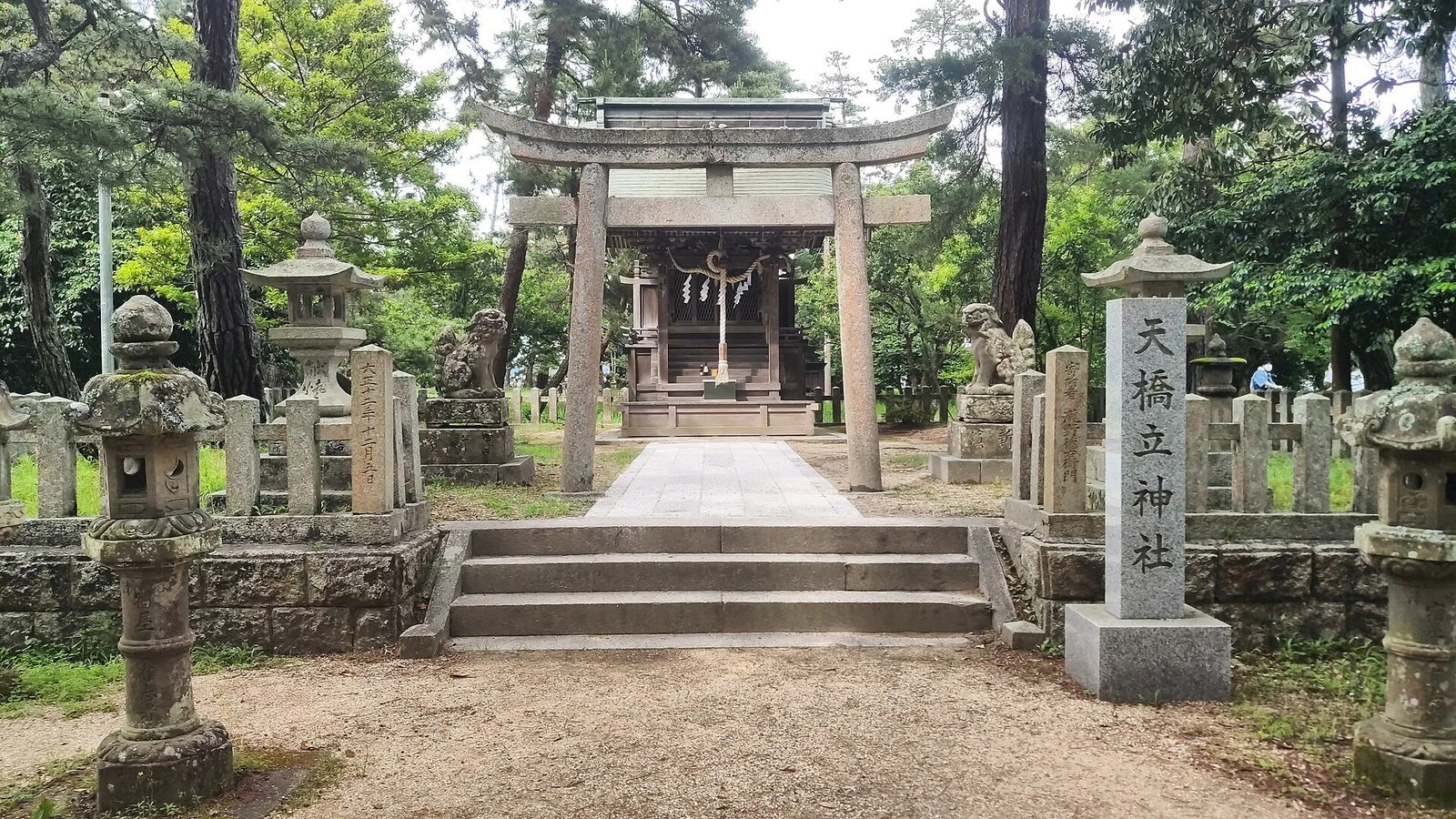
File:Amanohashidate shrine.jpg — Drivephotographer. https://commons.wikimedia.org/wiki/File:Amanohashidate_shrine.jpg | CC0 http://creativecommons.org/publicdomain/zero/1.0/deed.en. Resized/re-encoded for web display; no crop or retouch.
File:Funaya in Ine Town, Yosa District, Kyoto Prefecture 001.jpg — Naokijp. https://commons.wikimedia.org/wiki/File:Funaya_in_Ine_Town,_Yosa_District,_Kyoto_Prefecture_001.jpg | CC BY-SA 4.0 https://creativecommons.org/licenses/by-sa/4.0. Resized/re-encoded for web display; no crop or retouch.
File:Funaya in Ine Town, Yosa District, Kyoto Prefecture 003.jpg — Naokijp. https://commons.wikimedia.org/wiki/File:Funaya_in_Ine_Town,_Yosa_District,_Kyoto_Prefecture_003.jpg | CC BY-SA 4.0 https://creativecommons.org/licenses/by-sa/4.0. Resized/re-encoded for web display; no crop or retouch.
File:Funaya in Ine Town, Yosa District, Kyoto Prefecture 004.jpg — Naokijp. https://commons.wikimedia.org/wiki/File:Funaya_in_Ine_Town,_Yosa_District,_Kyoto_Prefecture_004.jpg | CC BY-SA 4.0 https://creativecommons.org/licenses/by-sa/4.0. Resized/re-encoded for web display; no crop or retouch.
File:Ine Fishing Port 2021-04 ac (2).jpg — Asturio Cantabrio. https://commons.wikimedia.org/wiki/File:Ine_Fishing_Port_2021-04_ac_(2).jpg | CC BY-SA 4.0 https://creativecommons.org/licenses/by-sa/4.0. Resized/re-encoded for web display; no crop or retouch.
File:Ine landscape.JPG — 9b0z1b. https://commons.wikimedia.org/wiki/File:Ine_landscape.JPG | CC BY-SA 4.0 https://creativecommons.org/licenses/by-sa/4.0. Resized/re-encoded for web display; no crop or retouch.
File:Ineura Funaya 2017-04 ac (4).jpg — Asturio Cantabrio. https://commons.wikimedia.org/wiki/File:Ineura_Funaya_2017-04_ac_(4).jpg | CC BY-SA 4.0 https://creativecommons.org/licenses/by-sa/4.0. Resized/re-encoded for web display; no crop or retouch.
File:美山のかやぶきの里 (Kayabuku-no-Sato in Miyama) 22 Jun, 2013 - panoramio.jpg — Hiroaki Kaneko. https://commons.wikimedia.org/wiki/File:%E7%BE%8E%E5%B1%B1%E3%81%AE%E3%81%8B%E3%82%84%E3%81%B6%E3%81%8D%E3%81%AE%E9%87%8C_(Kayabuku-no-Sato_in_Miyama)_22_Jun,_2013_-_panoramio.jpg | CC BY-SA 3.0 https://creativecommons.org/licenses/by-sa/3.0. Resized/re-encoded for web display; no crop or retouch.
File:Kayabukinosato01.JPG — Kansai explorer. https://commons.wikimedia.org/wiki/File:Kayabukinosato01.JPG | CC BY-SA 3.0 http://creativecommons.org/licenses/by-sa/3.0/. Resized/re-encoded for web display; no crop or retouch.
File:Kayabukinosato01.jpg — Kansai explorer. https://commons.wikimedia.org/wiki/File:Kayabukinosato01.jpg | CC BY-SA 3.0 http://creativecommons.org/licenses/by-sa/3.0/. Resized/re-encoded for web display; no crop or retouch.
File:Tanba-Miyama kayabuki.jpg — Bakkai. https://commons.wikimedia.org/wiki/File:Tanba-Miyama_kayabuki.jpg | CC BY-SA 3.0 http://creativecommons.org/licenses/by-sa/3.0/. Resized/re-encoded for web display; no crop or retouch.
File:かやぶきの里2021-01-32.jpg — 経済特区. https://commons.wikimedia.org/wiki/File:%E3%81%8B%E3%82%84%E3%81%B6%E3%81%8D%E3%81%AE%E9%87%8C2021-01-32.jpg | CC BY-SA 4.0 https://creativecommons.org/licenses/by-sa/4.0. Resized/re-encoded for web display; no crop or retouch.
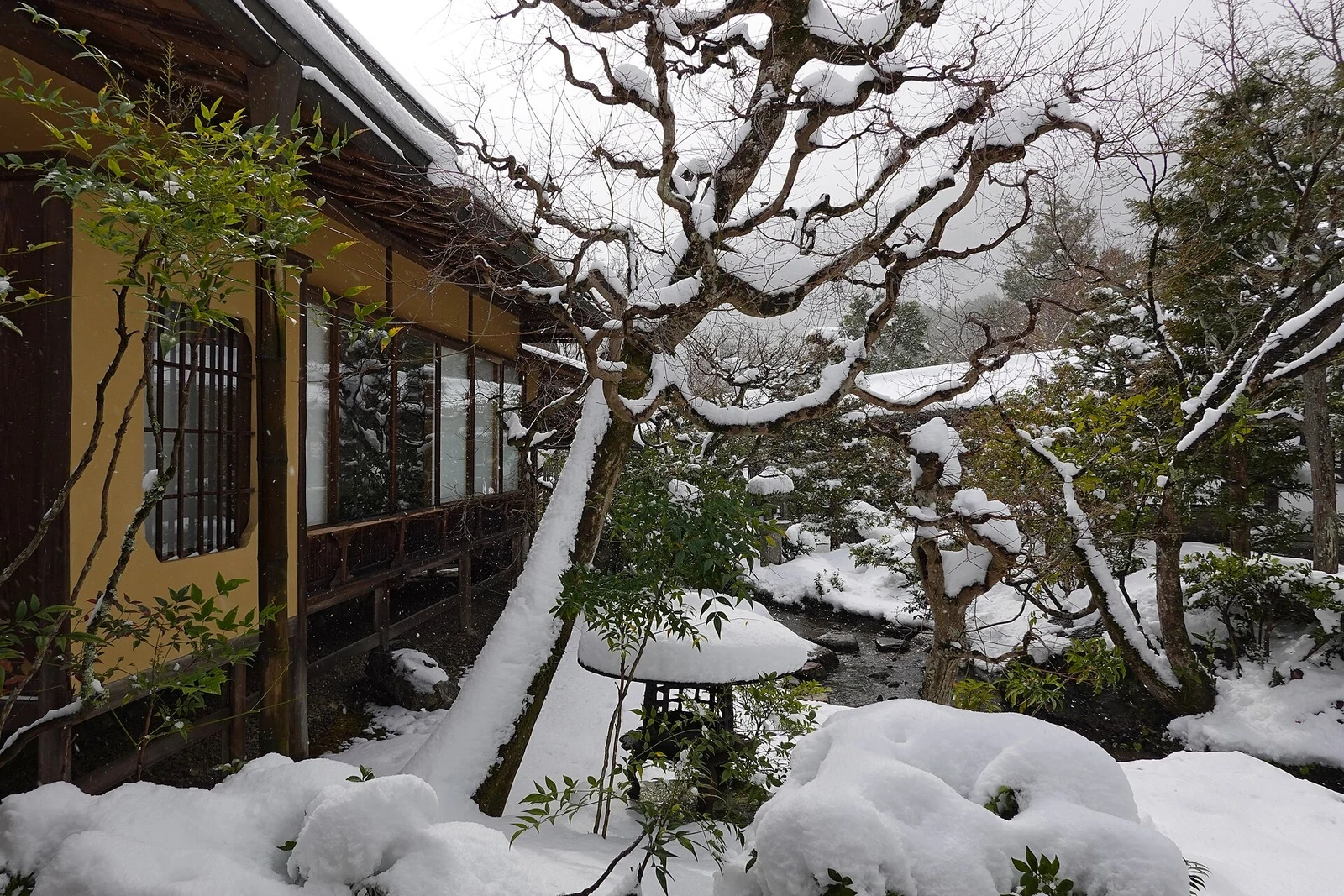
Spring blossoms and autumn leaves are both tempting. So are early-summer gardens in fresh green, or a winter walk followed by a warm cup of tea.
In summer, keep outdoor walks shorter and leave time for indoor exhibitions and breaks somewhere cool. Northern Kyoto Prefecture and Kyoto city have different climates, so choose the season around the area you want to visit.
02
Take a little Kyoto home
Uji tea, Kyoto confections and yatsuhashi are possibilities, as are small Nishijin woven items, folding fans and incense.
For souvenirs going abroad, check the food and plant import conditions of your destination and any transit countries. Unopened does not mean that everything can be brought in. Airport security checks and Japanese tax-free purchase procedures have their own conditions, too.
03
Give one area a little time
Higashiyama’s slopes, Arashiyama’s garden and river, tea in Uji: start with one place you most look forward to, then explore the things around it.
Add time for shops and rests to the journey shown on your map. A little space in the day lets you enjoy that feeling of “I’d like to stay here a bit longer.”
Choose an indoor exhibition when it rains, or a shorter walk and a rest when it is hot. Changing your plans with the weather is part of choosing a pleasant day.
04
Small courtesies for a happy visit
In Japanese-style rooms, avoid stepping on the threshold or the fabric borders of tatami mats. This is a courtesy beyond Kyoto, too.
Follow each building’s instructions about removing shoes and wearing socks.
Permission to take photographs does not necessarily cover tripods or video. Check the local rules.
Keep lanes and doorways clear for everyday life. Do not chase geiko or maiko, or photograph them without permission.
Where people are praying or quietly enjoying an exhibition, lower your voice a little.
Begin with a view that caught your heart
Have you found the Kyoto you would like to meet first?
A walk from Kiyomizu-dera towards Gion, or a garden and river in Arashiyama. Making your own Kyoto sweets or choosing tea in Uji sounds lovely, too.
If it was the sea or the thatched village that caught your attention, make that the heart of your journey.
Rather than counting how many famous places fit in a day, start with one thing you really want to enjoy. Let your own Kyoto grow from there.
What might we find beyond the next lane? I would love to take a look with you.